
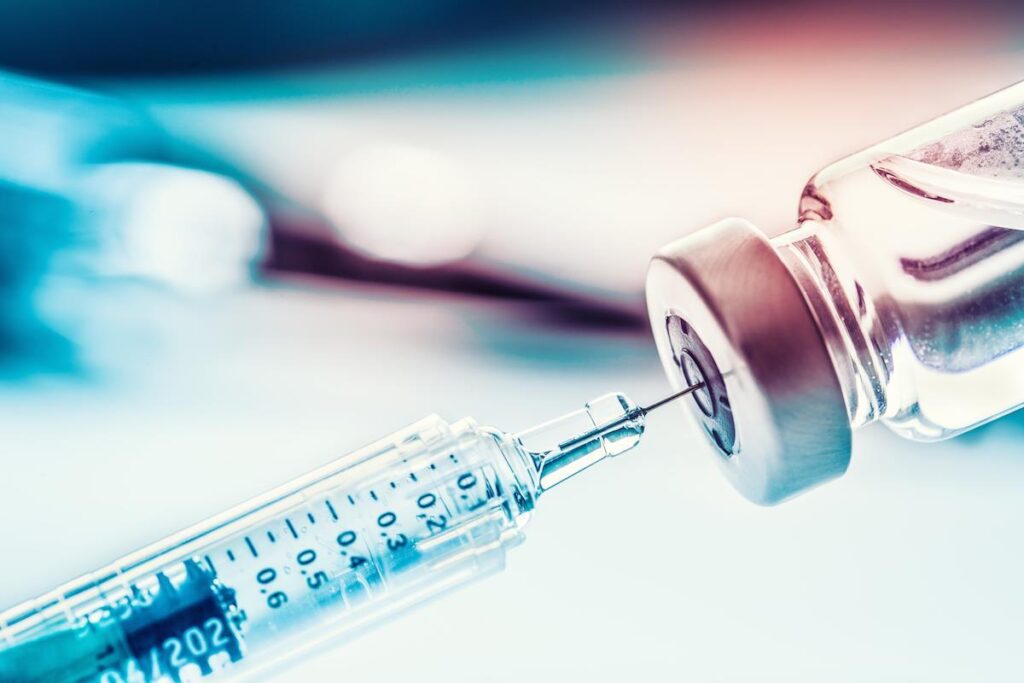

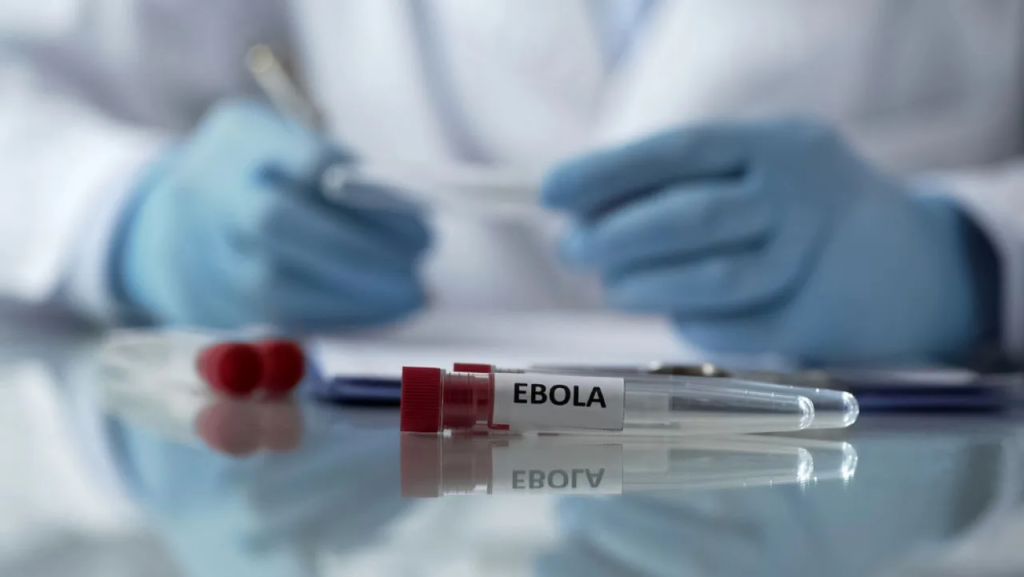
The University of Oxford has begun the world’s first human clinical trial of a vaccine targeting the Bundibugyo strain of the Ebola virus, marking a significant step toward protecting populations from one of the least-studied but potentially deadly forms of the disease. The early-stage trial will evaluate the vaccine’s safety and its ability to trigger an immune response in healthy volunteers.
The vaccine was developed using the same technology behind the Oxford-AstraZeneca COVID-19 vaccine and is being tested amid concerns over recent Bundibugyo ebolavirus outbreaks in Uganda and the Democratic Republic of Congo (DRC). Researchers hope the study will pave the way for a vaccine that can be rapidly deployed during future outbreaks.
What is the new Ebola vaccine being tested?
The vaccine candidate, known as ChAdOx1 BDBV, was developed by scientists at the University of Oxford’s Vaccine Group and Pandemic Sciences Institute.
It targets the Bundibugyo ebolavirus (BDBV), one of several Ebola virus species known to cause severe haemorrhagic fever in humans.
Unlike existing Ebola vaccines that primarily target the Zaire strain, this candidate is specifically designed to protect against the Bundibugyo variant, for which no licensed vaccine currently exists.
Why is this trial significant?
This is the first human clinical trial of a vaccine developed specifically for the Bundibugyo ebolavirus.
The Phase 1 study, known as BD-Ebov, will enroll 50 healthy adults between the ages of 18 and 55.
Researchers will evaluate:
- The vaccine’s safety.
- Possible side effects.
- The immune response it generates.
- Whether it produces antibodies against the virus.
Early-stage trials focus on determining whether a vaccine is safe enough to move into larger studies involving populations at risk.
What is Bundibugyo ebolavirus?
Bundibugyo ebolavirus is one of six known Ebola virus species.
It was first identified during an outbreak in Uganda in 2007.
Like other Ebola viruses, it can cause:
- High fever.
- Severe weakness.
- Vomiting and diarrhea.
- Internal and external bleeding.
- Multi-organ failure in severe cases.
Although it generally has a lower fatality rate than the Zaire strain responsible for several major Ebola outbreaks, Bundibugyo remains a serious public health threat because no approved vaccine currently exists for it.
How was the vaccine developed?
The ChAdOx1 BDBV vaccine uses Oxford’s ChAdOx1 viral vector platform—the same technology used to develop the Oxford-AstraZeneca COVID-19 vaccine.
The platform works by using a harmless adenovirus to deliver genetic instructions that teach the immune system to recognize and respond to the Ebola virus.
Because researchers were already familiar with this platform, development moved significantly faster than would otherwise have been possible.
What role did the Serum Institute of India play?
The Serum Institute of India partnered with Oxford to manufacture the vaccine.
According to researchers:
- Approximately 620,000 doses have already been manufactured and stockpiled.
- Around 4,000 investigational doses have been supplied for the current clinical trial.
The ability to rapidly manufacture large quantities of vaccine could prove critical if future Bundibugyo outbreaks require emergency immunization campaigns.
Why did the World Health Organization support the trial?
In May, the World Health Organization (WHO) recommended the vaccine for clinical evaluation due to ongoing Bundibugyo outbreaks in Central Africa.
Because Ebola outbreaks can spread rapidly, health authorities aim to develop vaccines before future emergencies occur rather than during active epidemics.
Early testing allows researchers to gather safety and immune-response data that could support emergency deployment if another outbreak expands.
Who is funding the research?
The Coalition for Epidemic Preparedness Innovations (CEPI) has committed up to $8.6 million to support vaccine development.
CEPI was established to accelerate vaccines against emerging infectious diseases before they become global health emergencies.
If the Phase 1 trial is successful, CEPI plans to support:
- Larger Phase 2 and Phase 3 trials.
- Regulatory approval.
- Emergency-use authorization.
- Manufacturing for outbreak response.
What happens after this trial?
If the vaccine demonstrates a favorable safety profile and generates a strong immune response, researchers plan to expand testing.
Future studies are expected to take place in Uganda through collaborations involving:
- The Medical Research Council/Uganda Virus Research Institute.
- The London School of Hygiene & Tropical Medicine Uganda Research Unit.
Testing the vaccine in regions where the virus circulates will provide more information about its effectiveness under real-world conditions.
Why does this matter?
Ebola outbreaks are unpredictable and often occur in regions with limited healthcare infrastructure.
Having vaccines available before outbreaks occur can:
- Reduce transmission.
- Protect healthcare workers.
- Limit fatalities.
- Improve emergency response.
The rapid development of ChAdOx1 BDBV also demonstrates how vaccine platforms developed during the COVID-19 pandemic continue to support preparedness for other infectious diseases.
TL;DR
- Oxford University has launched the first human trial of a vaccine targeting the Bundibugyo strain of Ebola.
- The Phase 1 BD-Ebov study will evaluate safety and immune response in 50 healthy adults.
- The vaccine uses the same ChAdOx1 platform as the Oxford-AstraZeneca COVID-19 vaccine.
- The Serum Institute of India has manufactured more than 620,000 doses and supplied investigational doses for the trial.
- If successful, larger clinical studies in Uganda could support future regulatory approval and outbreak preparedness.