
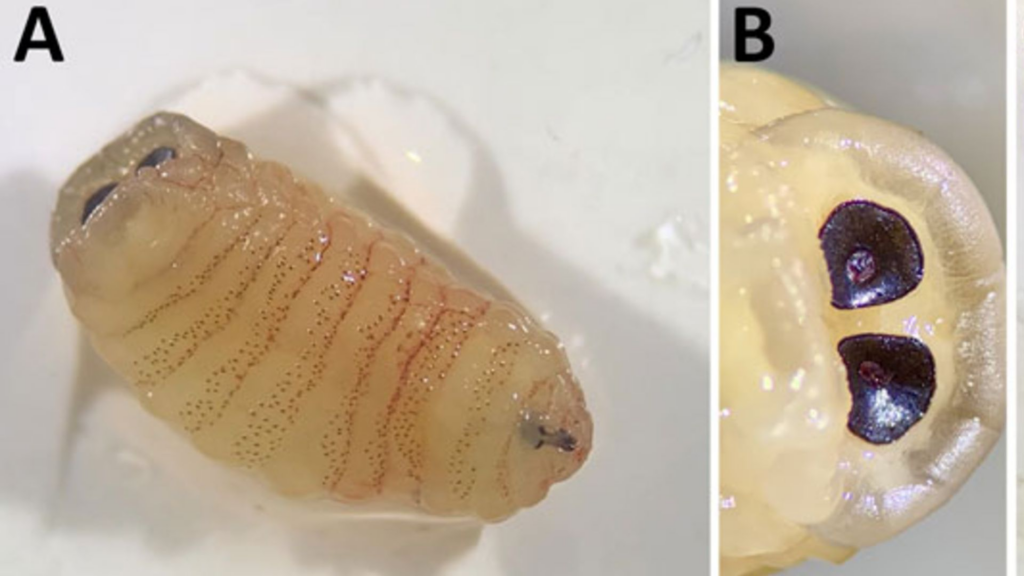
A woman in China who spent a year living with a painful lump on her arm received a shocking diagnosis after doctors discovered two live parasitic worms beneath her skin.
The case has drawn attention to a food safety mistake that many households make without thinking twice: using the same kitchen tools for raw and ready-to-eat foods.
According to local reports, the woman sought treatment after a lump on her arm gradually grew to the size of a ping-pong ball and began causing severe pain. Surgeons ultimately removed two living worms, each measuring approximately 10 centimeters (about 4 inches) long.
Health experts say the incident highlights the dangers of cross-contamination in the kitchen and the serious infections that can result from improper food handling.
How Did Live Worms End Up Under the Woman’s Skin?
The patient, identified only by her surname Wang, was treated at Shenzhen People’s Hospital in Guangdong province, China.
Doctors diagnosed her with a parasitic infection caused by sparganum larvae. Sparganum is the larval stage of certain tapeworm species and can infect humans through contaminated food, water, or exposure to infected animal tissue.
According to Wang, she frequently prepared frog legs at home. She reportedly used the same chopping board and knife to process raw frogs and prepare cold dishes that were later consumed without additional cooking.
Medical experts believe parasite cysts from the frogs contaminated the cutting board and utensils. Those cysts may then have transferred to ready-to-eat foods, allowing the parasites to enter the body.
Why Cross-Contamination Is So Dangerous
Cross-contamination occurs when harmful microorganisms or parasites move from one food item or surface to another.
Common examples include:
- Using the same cutting board for raw meat and vegetables
- Handling cooked food after touching raw ingredients
- Failing to properly sanitise knives and kitchen surfaces
- Using contaminated water during food preparation
In Wang’s case, doctors suspect that parasite larvae survived because the contaminated food was not cooked after preparation.
For food safety experts, the incident serves as a reminder that cleanliness isn’t just about avoiding food poisoning—it can also help prevent rare but potentially serious parasitic infections.
What Is Sparganosis?
The infection caused by sparganum larvae is known as sparganosis.
While relatively uncommon worldwide, cases continue to be reported in parts of Asia where certain traditional food preparation practices or environmental exposures increase the risk of infection.
Unlike adult tapeworms that live in the digestive tract, sparganum larvae can migrate through the human body.
Doctors at Shenzhen People’s Hospital explained that the parasites do not mature into adult worms inside humans. Instead, they move through tissues and can settle in different parts of the body.
Where Can These Parasites Travel?
Medical literature shows sparganum larvae may migrate to:
- The skin and subcutaneous tissue
- Muscles
- Eyes
- Chest cavity
- Internal organs
- The central nervous system, including the brain
One of the most common symptoms is the appearance of unexplained lumps beneath the skin. These masses may slowly enlarge over time and can become painful if the parasites move or trigger inflammation.
Because the symptoms often resemble benign cysts or tumours, diagnosis can be challenging until imaging studies or surgery reveal the underlying cause.
Why the Lump Kept Growing for a Year
According to reports, Wang first noticed the lump approximately one year before seeking treatment.
Over time, it continued to enlarge and eventually became painful enough to require medical attention.
This slow progression is consistent with many parasitic infections involving tissue-dwelling larvae. As the parasites migrate, the body’s immune response can create inflammation and swelling around the affected area.
In some cases, patients report that lumps appear to change location over time—a clue that a mobile parasite may be involved.
Another Unusual Parasite Case Raised Concerns Earlier This Year
The latest case comes just months after another highly publicized parasitic infection in China.
In April, doctors reportedly removed an 8-centimeter worm from a woman’s brain.
The patient reportedly described several high-risk behaviours, including placing a raw frog leg into a tooth cavity to treat tooth pain, drinking untreated mountain spring water, and consuming medicinal snake wine.
While such cases remain rare, health experts say they illustrate how parasites can exploit unconventional routes into the human body.
How to Prevent Parasitic Infections in the Kitchen
Food safety specialists emphasize that preventing infections like sparganosis often comes down to basic hygiene practices.
Separate Raw and Ready-to-Eat Foods
The safest approach is to use:
- Separate cutting boards
- Different knives
- Dedicated preparation areas
for raw animal products and foods that will be eaten without cooking.
Sanitize Kitchen Equipment Thoroughly
After handling raw meat, fish, amphibians, or poultry:
- Wash surfaces with hot water and detergent
- Disinfect cutting boards
- Clean knives immediately after use
Cook Food Properly
Many parasites are killed through adequate cooking temperatures.
Undercooked animal products present a significantly higher risk of transmitting parasites and other pathogens.
Avoid Untreated Water Sources
Untreated spring water, river water, and other natural water sources may contain parasites or infectious organisms.
Public health agencies generally recommend consuming properly treated or filtered drinking water.
Why This Case Matters Beyond One Patient
At first glance, Wang’s experience may sound like an unusual medical curiosity. But health professionals say the underlying lesson is highly relevant to households everywhere.
Foodborne illnesses affect millions of people each year, and while bacterial contamination receives most of the attention, parasites remain an important public health concern in many regions.
The discovery of two living worms beneath a patient’s skin underscores how small lapses in food handling can sometimes lead to unexpected consequences.
For consumers, the takeaway is straightforward: proper kitchen hygiene isn’t merely a recommendation—it is one of the most effective tools for preventing infections before they start.
TL;DR
- A woman in China developed a painful arm lump that grew over a year.
- Doctors removed two live parasitic worms measuring about 10 cm each.
- The parasites were identified as sparganum larvae.
- Physicians believe contaminated kitchen tools used for raw frog preparation may have transferred parasite cysts to ready-to-eat food.
- Sparganum larvae can migrate through human tissue and form lumps under the skin.
- Experts say separate cutting boards, proper sanitation, safe cooking practices, and treated drinking water can significantly reduce infection risk.