
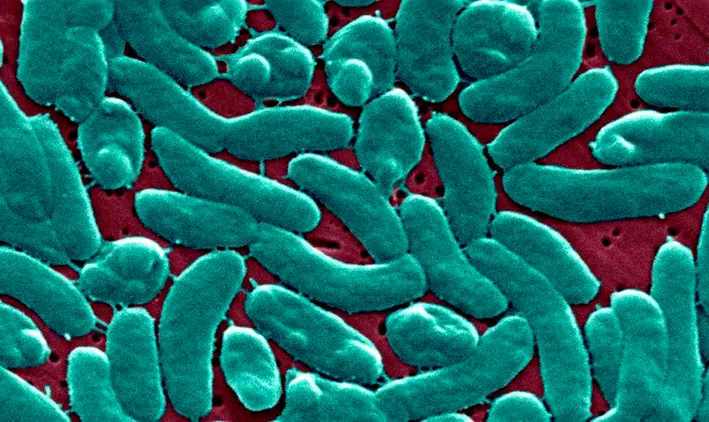
Louisiana health officials are urging residents and visitors to take extra precautions after a spike in infections caused by Vibrio vulnificus, a rare but potentially deadly bacterium commonly found in warm coastal waters. The warning comes after the state reported nine confirmed infections and five deaths this year, raising concerns about the severity of cases during the peak summer season.
Although Vibrio vulnificus infections are uncommon, they can progress rapidly, particularly in people with underlying health conditions. The bacterium can enter the body through open wounds exposed to seawater or by consuming raw or undercooked shellfish, especially oysters.
Health authorities stress that awareness, early treatment, and simple preventive measures can significantly reduce the risk of severe illness.
TL;DR
- Louisiana has reported nine Vibrio vulnificus infections and five deaths in 2026.
- The bacterium is commonly found in warm saltwater and brackish coastal waters.
- Infection occurs through open wounds or by eating raw or undercooked shellfish.
- People with liver disease, diabetes, or weakened immune systems face the highest risk of severe illness.
- Prompt medical treatment is critical, as severe infections can become life-threatening within days.
What Is Vibrio vulnificus?
Vibrio vulnificus is a naturally occurring bacterium that thrives in warm coastal waters, particularly during the summer months when water temperatures rise. It belongs to the Vibrio family of bacteria, which also includes species responsible for foodborne illnesses such as cholera.
Unlike viruses that spread from person to person, Vibrio vulnificus infections occur through environmental exposure. Most infections happen after contact with contaminated seawater or by consuming contaminated seafood.
While healthy individuals often recover with proper treatment, the bacterium can cause severe complications in vulnerable populations.
Why Have Louisiana Officials Issued a Warning?
The Louisiana Department of Health issued the advisory after confirming nine infections and five deaths linked to Vibrio vulnificus this year.
According to health officials:
- All infected individuals had wounds exposed to coastal water.
- Every patient required hospitalization.
- Most had pre-existing medical conditions that increased their susceptibility to severe disease.
Although the total number of infections is relatively small, officials are particularly concerned about the unusually high fatality rate.
The warning comes during the summer season, when warmer water temperatures create favorable conditions for the bacteria to multiply.
How Do People Get Infected?
There are two primary ways people can become infected.
Through Open Wounds
The most common route is exposure of an open wound to warm saltwater or brackish water.
This includes:
- Cuts and scrapes
- Surgical incisions
- Burns
- Piercings
- Tattoos that have not fully healed
Once the bacteria enter the body, they can rapidly infect surrounding tissue.
By Eating Raw or Undercooked Shellfish
Another common source is consuming contaminated seafood, particularly:
- Raw oysters
- Undercooked shellfish
Because oysters naturally filter large amounts of water, they can accumulate bacteria present in coastal environments.
Cooking shellfish thoroughly significantly reduces the risk of infection.
Why Is It Called a “Flesh-Eating” Bacterium?
Vibrio vulnificus is often described as a “flesh-eating bacterium” because it can cause necrotising fasciitis, a rare but severe infection that destroys soft tissue.
However, not every infection leads to this complication.
In severe cases, the bacteria spread rapidly through tissue, causing:
- Extensive skin damage
- Tissue death
- Bloodstream infections (sepsis)
- Organ failure
Without prompt treatment, emergency surgery—including amputation—may sometimes be necessary to stop the infection from spreading.
What Symptoms Should You Watch For?
Symptoms depend on how the bacteria entered the body.
If the Infection Starts in a Wound
Early warning signs include:
- Severe pain around the wound
- Redness and swelling
- Warm skin
- Blisters
- Skin discoloration
- Fever and chills
The infection can worsen quickly, making immediate medical attention essential.
If the Infection Is Foodborne
People who become infected after eating contaminated seafood may experience:
- Fever
- Chills
- Vomiting
- Diarrhea
- Abdominal pain
In high-risk individuals, the bacteria may enter the bloodstream and cause life-threatening complications.
Who Is Most at Risk?
While anyone can become infected, severe illness is much more common among people with weakened immune systems or chronic health conditions.
Those at greatest risk include individuals with:
- Liver disease
- Diabetes
- Cancer
- Kidney disease
- HIV/AIDS
- Iron overload disorders
- Conditions requiring immunosuppressive medications
Older adults are also more vulnerable to serious complications.
Healthy individuals generally face a lower risk, but they should still take precautions when swimming in coastal waters with open wounds.
How Dangerous Is Vibrio vulnificus?
Although infections are rare, they can become life-threatening within a short period.
According to the U.S. Centers for Disease Control and Prevention (CDC), approximately one in five people with severe Vibrio vulnificus infections dies, sometimes within one to two days after symptoms begin if treatment is delayed.
Early diagnosis and prompt antibiotic treatment significantly improve survival rates.
How Can You Protect Yourself?
Health experts recommend several simple precautions.
Avoid water exposure if you have:
- Open cuts
- Fresh tattoos
- Surgical wounds
- Burns
- Healing piercings
If entering coastal water is unavoidable:
- Cover wounds with waterproof bandages.
- Wash exposed wounds immediately with soap and clean water after leaving the water.
- Monitor wounds closely for signs of infection.
To reduce food-related risk:
- Avoid eating raw oysters or undercooked shellfish.
- Cook seafood thoroughly before consumption.
- Refrigerate seafood properly to prevent bacterial growth.
People with chronic liver disease or weakened immune systems should be especially cautious about consuming raw shellfish.
Could Climate Change Be Playing a Role?
Researchers have observed that Vibrio bacteria thrive in warmer water temperatures.
As ocean temperatures continue to rise, scientists have documented Vibrio infections occurring farther north than in previous decades.
While a single outbreak cannot be attributed solely to climate change, warmer coastal waters may increase opportunities for these bacteria to multiply and spread.
Ongoing monitoring will help researchers better understand how environmental changes influence future infection patterns.
When Should You Seek Medical Care?
Anyone who develops symptoms after:
- Swimming in warm coastal water with an open wound, or
- Eating raw shellfish
should seek medical attention immediately.
Prompt treatment is especially important if symptoms include:
- Rapidly increasing pain
- Swelling
- Fever
- Blistering skin
- Darkening or discolouration of the affected area
Early antibiotic treatment can prevent complications and improve outcomes.
The Bottom Line
Louisiana’s recent increase in Vibrio vulnificus infections serves as a reminder that naturally occurring bacteria in warm coastal waters can pose serious health risks under the right conditions. While the infections remain rare, the high number of deaths reported this year underscores the importance of early recognition and prevention.
Simple measures—such as avoiding seawater exposure with open wounds, cooking shellfish thoroughly, and seeking prompt medical care if symptoms develop—can significantly reduce the risk of severe illness. As health officials continue monitoring cases, public awareness remains one of the most effective tools for preventing infections.