
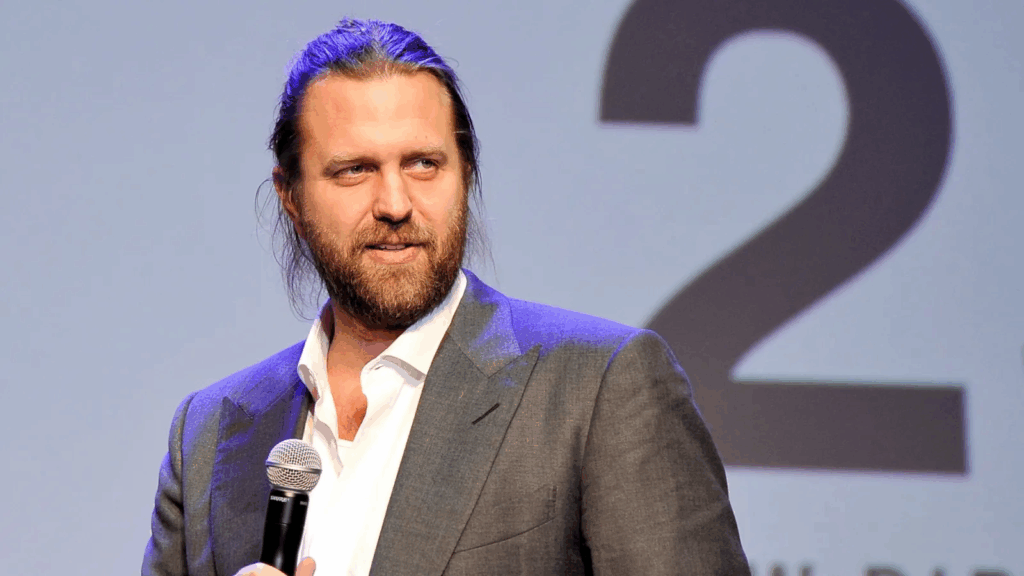
The Hollywood director convicted of scamming Netflix out of $11 million is at the center of a case that’s forcing the entertainment industry to reexamine how studios fund ambitious creative projects and what happens when trust breaks down.
Carl Erik Rinsch, best known for 47 Ronin, was found guilty of wire fraud and money laundering after federal prosecutors concluded he diverted Netflix’s production money into personal investments, luxury purchases, and high-end lifestyle spending. The project he promised, an ambitious sci-fi series called White Horse, never materialized.
This case raises broader questions about oversight, risk, and the expanding financial pressures inside modern streaming.
What led to the fraud conviction against Carl Erik Rinsch?
Netflix originally invested heavily in director Rinsch’s new science-fiction project, hoping to turn it into a flagship streaming series. Instead, the project became an example of how large budgets, minimal oversight, and creative autonomy can collide in disturbing ways.
Netflix’s initial investment and expectations
Prosecutors revealed that Netflix paid Rinsch around $44 million to develop and produce White Horse. The director later requested an additional $11 million, citing production delays and budget needs, requests that aren’t uncommon for creators working on complex sci-fi titles.
But what is uncommon is what happened next.
How the money was allegedly misused
According to the investigation, Rinsch:
- transferred millions directly into a personal bank account
- made a series of failed investments, losing nearly half the funds in months
- spent extravagantly on personal luxuries, including
- five Rolls-Royces
- a Ferrari
- high-end home furnishings (including luxury bedding reportedly costing about $1 million)
- paid $1.8 million in credit card bills using production funds
Instead of a completed series, Netflix was left with no deliverables, no production assets, and no path toward recovering its investment organically.
Why did the court rule that director Rinsch had committed wire fraud?
Wire fraud is a broad charge, but the heart of the prosecution’s case centered on intent: Did Rinsch knowingly mislead Netflix and misuse funds he promised to invest in production?
Prosecutors argued there was clear deception
Their case rested on several pillars:
- Rinsch solicited additional funds under pretenses.
- He diverted production money into personal use almost immediately.
- He falsely communicated progress on a project that had stalled.
- The financial patterns reflected personal profiteering, not creative setbacks.
The evidence was documented through bank transfers, communications, and spending trails that the court found consistent with a deliberate scheme—not mismanagement or artistic chaos.
What is the director’s defense arguing?
Despite the conviction, Rinsch’s legal team insists the ruling could have devastating implications for creators.
The defense says this was a creative dispute, not a crime
Benjamin Zeman, Rinsch’s attorney, criticized the verdict. He argued:
- Artists often juggle complex funding and creative pressures.
- Disputes over budgets or creative direction shouldn’t be criminalized.
- The ruling could create a chilling effect, making studios more aggressive in pursuing legal actions over missed deadlines or artistic differences.
His perspective frames the case as a dangerous precedent, one where creative failure is interpreted as criminal intent.
However, prosecutors stressed that this wasn’t about artistic disagreements but documented financial fraud.
How did cryptocurrency speculation become part of the investigation?
One of the most unusual parts of the case is how cryptocurrency factored into Rinsch’s financial maneuvers.
Director Rinsch attempted high-stakes trading with Netflix’s money
After losing roughly half of the misappropriated funds through market speculation, Rinsch moved the remaining money into cryptocurrency investments.
He saw some profits during a favorable market window. But instead of returning that money to production, prosecutors say he transferred profits to personal accounts and used some of it to clear large credit card debts.
Why does this case matter for the future of streaming and creative financing?
Streaming platforms are under intense pressure to produce standout content, and they often grant creators enormous independence. But the Rinsch case could shift industry norms in several ways.
1. Stricter financial oversight
Studios may introduce:
- milestone-based funding releases
- more frequent audits
- requirements for transparent expense documentation
2. Reduced trust in auteur-driven projects
High-cost, creator-led projects—especially those involving experimental storytelling—might face tighter controls or more corporate intervention.
3. Legal and contractual rewrites
The case might prompt hardened legal clauses addressing:
- misuse of funds
- personal spending
- reporting obligations
- consequences for failure-to-deliver
4. Industry-wide lessons
This case highlights the blurry line between creative freedom and financial responsibility. Studios may need to balance artistic autonomy with accountability mechanisms that discourage misuse without micromanaging.
What happens next for Carl Erik Rinsch?
The director is scheduled to be sentenced in April 2026. Potential consequences include:
- prison time
- financial restitution
- long-term professional consequences in Hollywood and global entertainment
As the industry watches, the outcome will likely shape not only his future but also how platforms structure high-budget productions.
TL;DR
- Director Carl Erik Rinsch was convicted of wire fraud and money laundering for scamming Netflix out of $11 million.
- He received a total of $55 million to produce a sci-fi series that he never completed.
- Prosecutors say he diverted funds to luxury purchases, huge credit card payments, and cryptocurrency speculation.
- His defense argues the verdict harms artists, but prosecutors maintain this was a deliberate fraud, not a creative dispute.
- His sentencing is set for April 2026, and the case could reshape how streamers manage production budgets.