
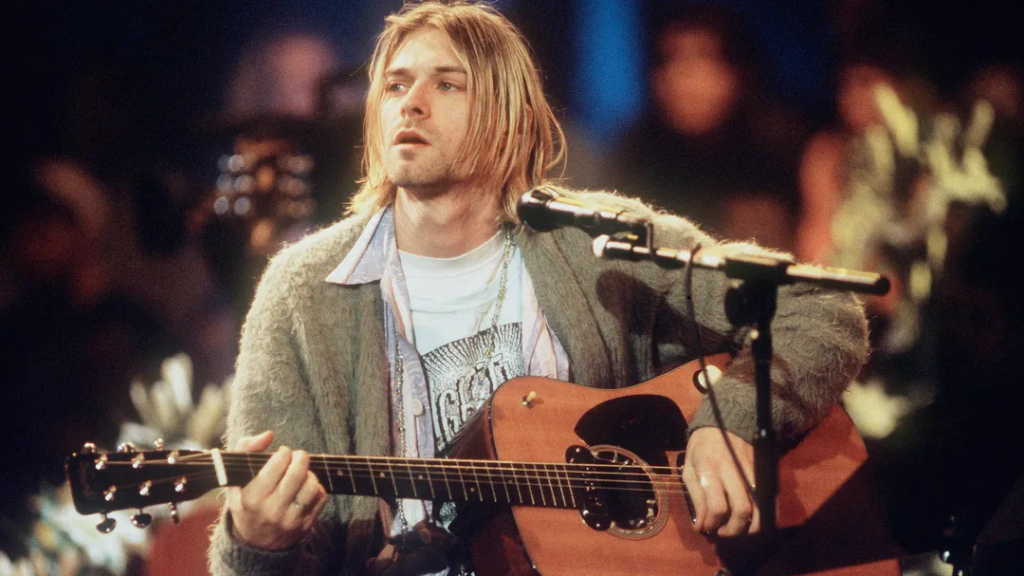
More than three decades after Kurt Cobain was found dead in a Seattle greenhouse, the case is again lighting up headlines. A group of independent forensic analysts now argues the Nirvana frontman did not die by suicide in April 1994 but was killed in a staged scene.
Authorities have not reopened the case. Seattle police say the original ruling still stands. Yet the renewed claims are spreading widely because the death of a cultural icon rarely stays confined to a closed file.
This article breaks down what’s actually new, what remains disputed, and why the debate keeps resurfacing.
What was the original ruling in Kurt Cobain’s death?
On April 5, 1994, Cobain, age 27, was found with a shotgun wound to the head. The King County Medical Examiner ruled the death a suicide. Police closed the investigation soon after.
Evidence cited at the time
- shotgun located near the body
- a suicide note referencing fame and music
- heroin in his system
- no signs of forced entry
The case quickly entered public consciousness alongside the “27 Club,” reinforcing the narrative of a troubled artist overwhelmed by addiction and pressure.
What are the new homicide claims?
Independent researcher Michelle Wilkins says forensic specialist Brian Burnett re-examined autopsy documents and crime scene material. According to their interpretation, Kurt Cobain may have been incapacitated with heroin before the gunshot.
They argue the scene shows signs of staging rather than self-inflicted death.
Key points raised by the researchers
- alleged organ damage consistent with overdose complications
- claimed lack of blood patterns typical in self-inflicted shotgun wounds
- suggestion the shotgun was placed in Cobain’s hand
- handwriting differences in part of the suicide note
- body positioning described as physically unlikely
They believe one or more individuals administered drugs and then fired the weapon.
Why are authorities not reopening the case
Seattle Police say the original determination remains valid, and no new admissible evidence has been presented.
Reasons investigations rarely reopen
- New claims rely on reinterpretation, not new physical evidence
- Courts require demonstrable errors in original forensic procedure
- Chain-of-custody limitations affect decades-old cases
- Prior reviews already occurred (including a 2014 photo re-analysis)
In legal terms, a theory is not evidence. Investigations reopen only when fresh, verifiable material emerges.
Forensic debate: overdose vs incapacity
At the center of the dispute is whether Kurt Cobain could physically operated the shotgun after heroin use.
The homicide theory argues
The drug level would have rendered him unable to pull the trigger.
The official interpretation holds
Tolerance in long-term users can allow function at levels lethal to others.
This disagreement is common in forensic toxicology. Functionality varies widely among chronic users, which makes retroactive certainty difficult.
The suicide note controversy
Another recurring argument involves the handwritten note.
Critics claim the ending lines differ stylistically from the main body. Supporters of the official ruling counter that emotional distress often alters handwriting.
Why Kurt Cobain’s case never stops resurfacing
1. Cultural impact
Cobain wasn’t just a musician. He symbolized an era. When cultural figures die young, audiences seek narrative closure.
2. Ambiguity invites speculation
Short investigations and minimal public detail create information gaps. The internet fills gaps with theory.
3. Pattern recognition psychology
People connect:
- the 27 Club
- fame pressure
- addiction history
Others resist the tragic-artist narrative and search for alternative explanations.
4. The internet’s amplification effect
Every new analysis spreads instantly, giving old theories renewed life regardless of evidentiary strength.
What forensic experts generally agree on
Across decades of debate, one consistent point emerges: certainty declines as time passes.
Evidence degrades
memories fade
standards evolve
Re-analysis can raise questions but rarely produces definitive answers without preserved physical material.
Could the Kurt Cobain investigation actually reopen?
It would require one of the following:
- new physical evidence
- verified forensic error in original autopsy
- credible confession with corroboration
- documented procedural misconduct
As of now, none has been publicly presented.
TL;DR
- A new independent forensic review claims Kurt Cobain’s death was a homicide.
- Seattle police maintain the 1994 suicide ruling
- The new claims reinterpret existing evidence rather than introduce new material
- Forensic disagreements center on heroin toxicity and scene mechanics
- Without new evidence, the case is unlikely to reopen
Final perspective
The ongoing debate reveals less about a crime scene and more about public memory. Some deaths become historical events rather than investigations. Cobain’s belongs to that category. The tension between official findings and cultural myth ensures the question keeps returning, even when the legal answer stays the same.