
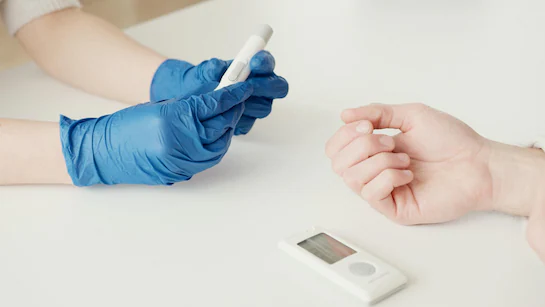
A potential diabetes cure out of China is drawing global attention after researchers reported reversing type 2 diabetes in a patient using stem-cell therapy. If validated in larger trials, the approach could reshape how one of the world’s most common chronic diseases is treated.
The development focuses on regenerating insulin-producing cells rather than managing blood sugar with lifelong medication. For millions living with type 2 diabetes, that shift would mark a fundamental change in care. Once a person becomes dependent on insulin, restoring normal bodily function becomes extremely difficult, as noted in a report by NDTV.
What Is Type 2 Diabetes, and Why Is It So Difficult to Reverse?
Type 2 diabetes occurs when the body becomes resistant to insulin or does not produce enough of it. Insulin allows glucose to enter cells and be used for energy. When this system fails, blood sugar levels remain elevated.
Globally, hundreds of millions of people live with type 2 diabetes. Standard treatment typically includes:
• Lifestyle changes
• Oral medications
• Injectable therapies such as GLP-1 drugs
• Insulin in more advanced stages
Once a patient becomes insulin-dependent, restoring natural pancreatic function is extremely challenging. Most current therapies control blood sugar but do not repair the damaged or dysfunctional beta cells responsible for insulin production.
That limitation is what makes the reported stem-cell breakthrough significant.
How Did Chinese Scientists Reverse Type 2 Diabetes?
Researchers used stem-cell therapy to generate healthy pancreatic islet cells, particularly beta cells that produce insulin.
The strategy centers on rebuilding the body’s insulin-producing capacity.
Step 1: Collecting Stem Cells
Scientists obtained stem cells either from the patient or a compatible donor. Stem cells can develop into specialized cell types under the right conditions.
Step 2: Reprogramming Into Insulin-Producing Cells
In laboratory settings, researchers exposed the stem cells to specific chemical and genetic signals. These signals directed the cells to transform into pancreatic islet cells capable of producing insulin.
The goal was to create functional beta cells that could:
• Detect blood glucose levels
• Release insulin appropriately
• Respond dynamically to metabolic changes
Step 3: Growing Functional Cell Clusters
The newly formed beta cells were cultivated into clusters that resemble natural pancreatic tissue. This structure allows the cells to coordinate insulin release in response to changes in blood sugar.
Step 4: Transplantation Into the Patient
The insulin-producing clusters were transplanted into the patient, most likely into the abdominal region. Once transplanted, the cells integrated with the patient’s blood supply, allowing them to function within the body’s metabolic system.
Step 5: Post-Transplant Monitoring
After the procedure, doctors closely monitored the patient to ensure:
• Continued insulin production
• Stable blood glucose control
• No immune rejection
• No abnormal cell growth
According to reports, the patient no longer required injectable insulin or diabetes medication to manage blood sugar levels.
Is This Truly a type 2 Diabetes Cure?
While the results are promising, caution is essential before declaring a definitive cure.
Several key questions remain:
• Was this part of a large clinical trial or a limited case?
• How long has the patient remained insulin-independent?
• Have the results been peer-reviewed?
• What are the long-term safety outcomes?
Early regenerative therapies can show dramatic short-term success. The long-term durability of transplanted cells will determine whether this becomes a lasting solution.
Why This Breakthrough Matters
If reproducible, stem-cell therapy for type 2 diabetes could shift treatment from lifelong management to biological restoration.
Potential benefits include:
• Reduced dependence on insulin injections
• Lower risk of long-term complications such as nerve damage and kidney disease
• Improved quality of life
• Reduced healthcare burden
Countries with large diabetic populations, including China, face significant public health and economic challenges related to diabetes. A regenerative solution could ease those pressures if proven safe and scalable.
How Does This Compare to Other Diabetes Research?
Researchers worldwide are exploring regenerative and cell-based therapies for diabetes. These include:
• Islet cell transplantation
• Encapsulated beta cell implants
• Gene-editing approaches
• Immunotherapy-based strategies
The reported success in China stands out because the patient reportedly achieved insulin independence without ongoing medication. However, confirmation through broader trials and independent evaluation remains crucial.
What Are the Risks and Challenges?
Even with promising early results, stem-cell treatment for type 2 diabetes faces significant obstacles.
Immune Rejection
If cells are donor-derived, the immune system may attack them, requiring immunosuppressive treatment.
Safety Concerns
Improperly programmed stem cells can potentially lead to uncontrolled growth or other complications.
Cost and Accessibility
Advanced cell therapies can be expensive and technically complex, raising questions about affordability and global access.
Scalability
Producing personalized or highly specialized cell clusters at large scale presents logistical challenges.
The Future of Regenerative Medicine in Diabetes
This development highlights the broader rise of regenerative medicine, which aims to repair or replace damaged tissues rather than simply manage symptoms.
For type 2 diabetes, restoring functional beta cells addresses the root biological issue instead of treating elevated blood sugar alone. If ongoing research confirms safety and long-term effectiveness, stem-cell therapy could become a transformative option in diabetes care.
TL;DR
Chinese researchers report reversing type 2 diabetes using stem-cell therapy by generating insulin-producing beta cells and transplanting them into a patient. The patient reportedly no longer requires insulin injections or medication. While the findings are promising, long-term data and larger clinical trials are needed before it can be considered a definitive cure.