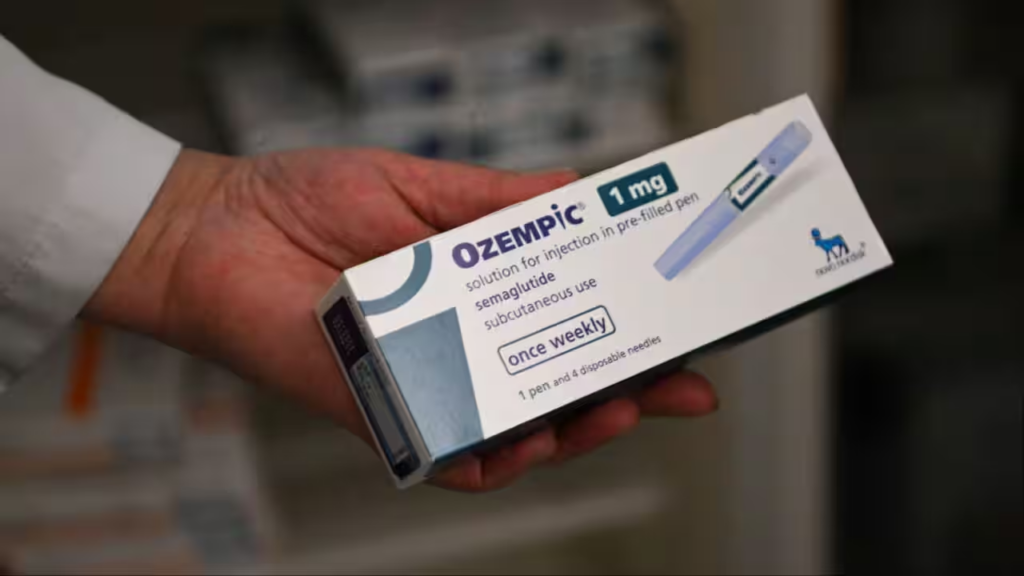
India’s pharmaceutical market is entering a pivotal moment for diabetes and weight-loss treatment. Several leading drugmakers—Sun Pharma, Dr. Reddy’s Laboratories, Glenmark, and Zydus Lifesciences—have rolled out generic semaglutide injections after patent protections expired locally on the molecule behind blockbuster drugs like Ozempic and Wegovy.
The headline isn’t just competition; it’s cost. These new launches could dramatically expand access to a class of drugs once considered out of reach for many patients.
What Is Generic Semaglutide?
Semaglutide belongs to a class of drugs called GLP-1 receptor agonists, used to:
- Manage type 2 diabetes
- Support chronic weight management
- Improve cardiometabolic outcomes
Until recently, access in India was limited by high prices tied to patented versions. With generics entering the market, prices are dropping sharply—potentially changing how widely these therapies are prescribed.
Why this matters:
- India has over 100 million people with diabetes
- Obesity rates are rising, especially in urban populations.
- Cost has been a major barrier to sustained treatment.
How Much Cheaper Are These New Options?
The most immediate impact of generic semaglutide in India is affordability.
Key price benchmarks:
- Weekly therapy now starts at ₹900 (~$11 USD)
- Monthly costs range roughly between ₹2,200 and ₹4,200
- Innovator brands historically cost significantly more (exact figures should be verified with pharmacy data or pricing databases)
This price compression could make long-term adherence more realistic, a critical factor in both diabetes control and weight management outcomes.
Sun Pharma’s Dual Launch: Targeting Diabetes and Weight Loss
Sun Pharmaceutical Industries has taken a segmented approach with two brands:
Noveltreat (Weight Management)
- Designed for chronic weight management in adults
- Weekly therapy cost: ₹900 to ₹2,000
Sematrinity (Type 2 Diabetes)
- For patients with insufficiently controlled diabetes
- Weekly cost: ₹750 to ₹1,300
Both are available in multiple dose strengths, giving physicians flexibility in titration.
Why this strategy stands out:
- Clear differentiation between weight loss and diabetes use cases
- Competitive pricing across both categories
- Early positioning in a high-growth therapeutic segment
Dr. Reddy’s Obeda: A Device-Led Approach
Dr. Reddy’s Laboratories has launched Obeda, focusing specifically on diabetes management.
Key features:
- Pre-filled disposable pen
- Once-weekly subcutaneous injection
- Each pen delivers at least four doses
- Monthly cost: ₹4,200
Why delivery format matters:
Ease of use can influence adherence. Pre-filled pens reduce:
- Dosing errors
- Patient hesitation with injections
- Complexity in home administration
Glenmark’s GLIPIQ: Positioning on Affordability
Glenmark Pharmaceuticals is leaning heavily into pricing with GLIPIQ.
Core message:
- Lower entry barrier for patients
- Broader accessibility for GLP-1 therapy
While detailed pricing hasn’t been publicly broken down as extensively, the company claims GLIPIQ sets a new benchmark in affordability.
Strategic angle:
Glenmark appears to be targeting:
- First-time users of semaglutide
- Cost-sensitive patients in tier-2 and tier-3 cities
Zydus Lifesciences: Scaling with Multiple Brands
Zydus Lifesciences has launched three brands:
- SEMAGLYN
- MASHEMA
- ALTERMET
Product details:
- Available in 15mg/3ml cartridges
- Manufactured at Zydus Biotech Park in Ahmedabad
- Average monthly cost: ~₹2,200
Why multiple brands?
This could allow Zydus to:
- Target different market segments
- Optimize distribution channels
- Compete across price tiers and prescriber preferences
Why the Patent Expiry Changes Everything
The entry of generics follows the expiration of patent protection in India for semaglutide.
What this unlocks:
- Price competition among domestic manufacturers
- Higher prescription rates due to affordability
- Expanded insurance and reimbursement possibilities
This mirrors what has happened in other therapeutic categories, where generics led to:
- Increased patient access
- Rapid market expansion
- Pressure on innovator brands to adjust pricing strategies
What This Means for Patients and Doctors
For patients:
- Lower upfront and long-term costs
- More treatment options
- Improved access in non-metro areas
For doctors:
- Greater flexibility in prescribing
- Ability to initiate therapy earlier
- Improved patient adherence due to affordability
For the healthcare system:
- Potential reduction in long-term complications
- Lower burden from uncontrolled diabetes
- Shift toward preventive care
Are There Any Concerns with Generic Semaglutide?
While the benefits are clear, there are valid considerations:
1. Regulatory oversight
Ensure products meet standards set by:
- India’s Central Drugs Standard Control Organisation (CDSCO)
2. Quality consistency
Biologic drugs like semaglutide are complex to manufacture. Even small variations can matter.
3. Physician confidence
Adoption will depend on:
- Clinical outcomes
- Real-world data
- Post-market surveillance
How India Fits into the Global GLP-1 Boom
Globally, GLP-1 drugs are one of the fastest-growing pharmaceutical segments, driven by demand for:
- Weight loss solutions
- Diabetes management
- Cardiovascular benefits
India’s entry into the generic market could:
- Influence pricing trends in other emerging markets
- Increase exports of affordable GLP-1 therapies
- Position Indian pharma as a key global supplier
TL;DR
- Indian pharma companies have launched generic semaglutide injections after patent expiry.
- Prices are significantly lower, starting at ₹900 per week.
- Key players include Sun Pharma, Dr. Reddy’s, Glenmark, and Zydus.
- Increased affordability could expand access to diabetes and weight-loss treatment.
- Adoption will depend on quality, regulation, and physician trust.