
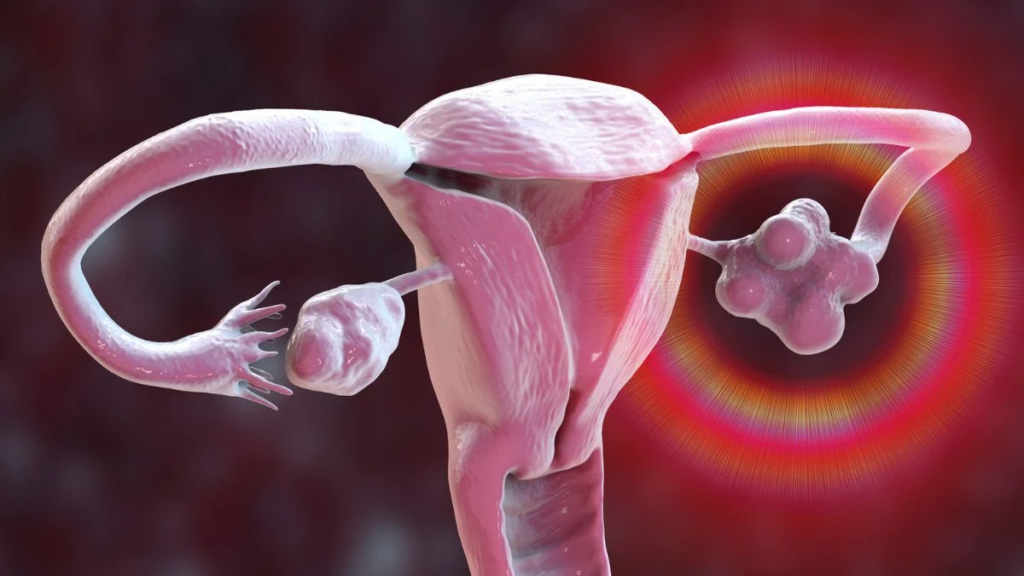
For millions of women worldwide, Polycystic Ovary Syndrome has long been associated with irregular periods, acne, weight gain, fertility struggles, and frustratingly delayed diagnoses.
Now, after years of debate among researchers and clinicians, the condition is officially being renamed.
PCOS will now be known as PMOS, short for Polyendocrine Metabolic Ovarian Syndrome.
At first glance, the shift may seem cosmetic: replacing one letter with another. But experts say the change reflects something much bigger — a growing recognition that the condition is not just about ovaries or fertility. It is a complex metabolic and hormonal disorder that affects the entire body.
The decision, announced by an international consortium of researchers and doctors, follows years of criticism that the term “PCOS” was medically misleading, emotionally damaging, and scientifically outdated.
What Is PMOS: Formerly Known As PCOS?
Until now, PCOS has been primarily described as a hormonal disorder linked to ovarian dysfunction.
The condition occurs when the body produces excess androgens, hormones often associated with male biological traits, which disrupt ovulation and reproductive hormone balance.
Common symptoms include:
- irregular or missed periods,
- acne,
- excessive facial or body hair,
- pelvic pain,
- weight gain,
- thinning hair,
- and difficulty conceiving.
But the condition goes far beyond reproductive health.
PMOS Is Also Linked To Serious Long-Term Health Risks
Researchers say the disorder is associated with:
- insulin resistance,
- obesity,
- Type 2 diabetes,
- high cholesterol,
- high blood pressure,
- cardiovascular disease,
- sleep disorders,
- and increased risk of endometrial cancer.
Mental health effects are also increasingly recognized, including:
- anxiety,
- depression,
- body image distress,
- and eating disorders.
A strong infographic opportunity here would be a body-map visual showing how PMOS affects multiple systems beyond the ovaries.
Why Experts Wanted To Rename PCOS
The biggest issue was accuracy.
According to specialists involved in the renaming effort, the term “polycystic ovary syndrome” incorrectly suggests that ovarian cysts define the disease.
In reality, many patients diagnosed with PCOS do not have ovarian cysts at all.
They’re Not Actually “Cysts.”
Experts say the structures often seen during ultrasounds are actually immature follicles — eggs that failed to mature properly because hormonal signaling was disrupted.
That distinction matters medically.
Professor Helena Teede, one of the leading voices behind the change, argued that the term “polycystic” has long confused both patients and healthcare providers.
The old terminology also narrowed the way doctors thought about the condition.
“When a disease is framed around one organ, healthcare systems often treat it that way,” many endocrinologists have argued in recent years. That meant patients were frequently managed only through gynecology instead of receiving broader metabolic or endocrine care.
Why The New Name PMOS Matters
The new term: Polyendocrine Metabolic Ovarian Syndrome is designed to reflect the disorder’s full-body impact.
Each part of the name signals a different aspect:
- “Polyendocrine” highlights multiple hormone systems being involved
- “Metabolic” acknowledges insulin resistance and weight-related complications
- “Ovarian” recognises reproductive effects without making them the sole focus
Experts believe this could reshape everything from medical education to insurance coverage and research funding.
How PMOS Could Change Diagnosis And Treatment
One major impact may involve how patients are diagnosed.
Under updated guidance, diagnosis will generally require two out of three criteria:
- excess androgen levels,
- irregular menstrual cycles,
- or elevated anti-Müllerian hormone (AMH) levels or characteristic ovarian follicles visible on ultrasound.
Fewer Women May Need Internal Ultrasounds
Researchers say advances in hormone testing may reduce dependence on invasive imaging procedures.
For many patients, blood testing could replace internal ultrasounds altogether.
That shift could:
- lower costs,
- improve early diagnosis,
- reduce discomfort,
- and make screening more accessible.
Why So Many Women Went Undiagnosed
According to the World Health Organization, PCOS affects roughly 10–13% of women of reproductive age globally.
But experts estimate nearly 70% of cases remain undiagnosed.
Symptoms Are Often Dismissed
Many women spend years being told the following:
- painful periods are “normal,”
- weight gain is lifestyle-related,
- acne is cosmetic,
- or fertility concerns can wait.
The confusion surrounding the term PCOS likely contributed to those delays.
Women without visible cysts sometimes believed they could not possibly have the condition, even when they met other clinical criteria.
The Emotional Impact Of The Name Change
For many patients, the renaming is also deeply personal.
Experts involved in the consultations found that many women felt the old name centered fertility above overall health.
That framing can carry cultural and emotional consequences, especially in societies where motherhood is closely tied to identity or social expectations.
By shifting focus toward metabolism and endocrine health, advocates hope PMOS will:
- reduce stigma,
- improve understanding,
- and encourage more comprehensive care.
Why The Change Could Affect Research Funding
The new terminology may also influence how governments and institutions fund research.
Historically, PCOS research was often categorized under reproductive medicine, which tends to receive less funding than broader endocrine or metabolic disease research.
With PMOS now formally recognized as a systemic metabolic disorder, researchers expect
- expanded interdisciplinary studies,
- more cardiovascular research,
- stronger diabetes-related funding,
- and better integration into public health policy.
Could There Be a “Male Version” of PMOS?
One emerging area of interest involves whether some men may experience related hormonal and metabolic patterns.
Researchers have noted similarities in certain male patients who experience:
- insulin resistance,
- obesity,
- early balding,
- reduced androgen activity,
- and metabolic dysfunction.
Scientists are still exploring these links, but the name change may open the door to broader research into how these endocrine pathways function across sexes.
Why This Moment Matters Beyond Medicine
The shift from PCOS to PMOS reflects a larger trend in healthcare: moving away from simplistic labels toward more accurate, system-wide understanding of chronic disease.
It also highlights how medical language shapes:
- diagnosis,
- stigma,
- funding,
- treatment pathways,
- and patient identity.
For years, many women felt their symptoms were minimized because the condition was misunderstood.
Doctors and patient advocates hope the new name will finally push healthcare systems to treat the disorder as the complex metabolic condition it truly is.
TL;DR
- PCOS has officially been renamed PMOS (Polyendocrine Metabolic Ovarian Syndrome).
- Experts say the old name was medically inaccurate because the condition is not defined by ovarian cysts.
- PMOS better reflects the hormonal and metabolic nature of the disorder.
- The condition affects far more than fertility, including diabetes risk, cardiovascular health, obesity, and mental health.
- Researchers believe the name change could improve diagnosis, treatment, awareness, and research funding.
- Many experts hope the new terminology reduces stigma and helps patients receive more comprehensive care.