
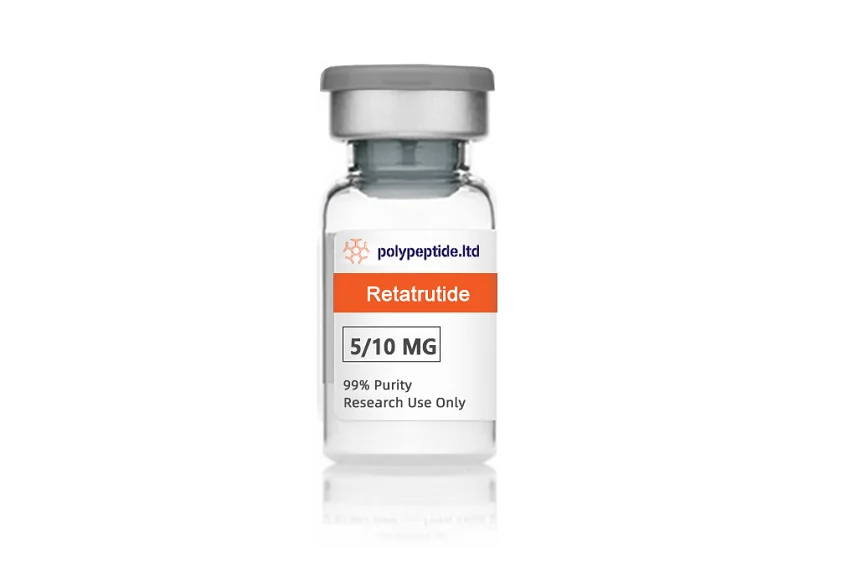
A new experimental drug for type 2 diabetes is generating serious attention after delivering striking results in a late-stage clinical trial.
The medication, called retatrutide, helped patients lose significant amounts of weight while also sharply improving blood-sugar control, according to a phase 3 study published in The Lancet. Researchers say the drug could represent the next major step in obesity and diabetes treatment, particularly for patients who need more aggressive metabolic management.
The excitement comes at a time when medications like Ozempic, Wegovy, and Mounjaro have already transformed the conversation around diabetes and weight loss. Retatrutide appears to push those effects even further by targeting three separate hormone pathways instead of one or two.
TL;DR
- Retatrutide is a new triple-action drug being tested for type 2 diabetes and obesity.
- In a phase 3 trial, patients lost up to 15.3% of their body weight over 40 weeks.
- Blood sugar levels improved significantly more than in the placebo group.
- The drug works differently from Ozempic and Mounjaro by activating three hormone receptors instead of one or two.
- Researchers say more studies are needed to understand long-term safety and effectiveness.
What Is Retatrutide?
Retatrutide is an investigational medication designed to treat type 2 diabetes and obesity through a “triple hormone” approach.
Most current blockbuster diabetes drugs target one or two hormone systems involved in appetite and insulin regulation. Retatrutide targets three:
- GLP-1 (glucagon-like peptide-1)
- GIP (glucose-dependent insulinotropic polypeptide)
- Glucagon receptors
That third mechanism is what makes the drug stand out.
While GLP-1 and GIP help control appetite and blood sugar, glucagon receptor activation may also increase how much energy the body burns. Researchers believe this added metabolic effect could explain the substantial weight-loss results seen in the trial.
How Retatrutide Differs From Ozempic and Mounjaro
The rise of GLP-1 drugs has reshaped diabetes treatment in recent years, but not all medications in the category work the same way.
Ozempic and Wegovy
Drugs like Ozempic and Wegovy primarily mimic GLP-1 hormones, which:
- Slow digestion
- Reduce appetite
- Improve insulin release
- Help lower blood sugar
These medications became widely popular because many patients experienced meaningful weight loss alongside diabetes management.
Mounjaro
Mounjaro expanded on that model by targeting both GLP-1 and GIP pathways.
That dual-action approach improved blood-sugar control and produced greater weight reduction for many patients compared with earlier GLP-1-only medications.
Retatrutide’s Triple-Action Strategy
Retatrutide adds glucagon receptor activation into the mix.
Researchers believe this could help:
- Increase calorie burning
- Improve metabolic flexibility
- Support larger weight-loss outcomes
- Enhance overall energy expenditure
In simple terms, the drug may not only reduce how much patients eat, it could also influence how the body uses energy.
That combination is why some experts see it as a potential next-generation obesity and diabetes therapy.
What the Phase 3 Trial Found
The clinical trial included 930 adults with type 2 diabetes.
Participants were randomly assigned to receive either the following:
- Weekly retatrutide injections, or
- A placebo treatment
All participants had:
- Poorly controlled blood-sugar levels
- A body mass index (BMI) of at least 23
Researchers tracked multiple health indicators during the 40-week study period, including:
- HbA1c levels
- Weight loss
- Cholesterol
- Blood pressure
- Side effects
The weight-loss results were significant
Patients receiving retatrutide lost substantially more weight than those in the placebo group.
Average Weight Loss After 40 Weeks
- Retatrutide group: approximately 11.5% to 15.3% body weight reduction
- Placebo group: approximately 2.6% reduction
For context, a person weighing 220 pounds could potentially lose more than 30 pounds over the study period at the higher end of the results.
That level of weight loss begins approaching outcomes traditionally associated with some bariatric procedures, though direct comparisons should be made cautiously.
Blood Sugar Improvements Also Stood Out
The trial also showed meaningful improvements in HbA1c, a key measure of long-term blood glucose control.
Average HbA1c Reduction
- Retatrutide: approximately 1.7% to 1.9% reduction
- Placebo: approximately 0.8% reduction
For many patients with type 2 diabetes, even a 1% drop in HbA1c can significantly reduce the risk of complications such as:
- Heart disease
- Kidney damage
- Nerve problems
- Vision loss
Researchers also reported improvements in:
- Cholesterol levels
- Blood pressure markers
Those broader metabolic changes are important because type 2 diabetes is closely tied to cardiovascular health.
Why These Results Matter
The growing success of obesity and diabetes medications reflects a major shift in how medicine understands metabolic disease.
For years, obesity treatment has largely focused on willpower, calorie restriction, and lifestyle changes alone. Newer therapies increasingly treat obesity and diabetes as complex hormonal and metabolic conditions.
Retatrutide appears to fit squarely into that evolving category.
A Bigger Trend in Metabolic Medicine
Drugmakers are now racing to develop the following:
- Multi-pathway obesity treatments
- Combination hormone therapies
- More effective long-term diabetes interventions
The commercial opportunity is massive.
Analysts expect the global market for obesity and diabetes drugs to grow into the hundreds of billions of dollars over the next decade as demand continues to rise.
Side Effects and Safety Questions Remain
Despite the promising data, retatrutide is still under investigation.
The study authors emphasized that more research is needed to understand the following:
- Long-term safety
- Sustained effectiveness
- Cardiovascular outcomes
- Comparisons with existing medications
Like many drugs in the GLP-1 category, gastrointestinal side effects were monitored during the trial.
These types of medications commonly cause:
- Nausea
- Vomiting
- Diarrhea
- Digestive discomfort
Researchers will need to determine whether the added glucagon activity creates new safety considerations over time.
Could Retatrutide Reach Mainstream Diabetes Care?
It’s too early to know exactly where retatrutide may fit into future treatment guidelines.
But early results suggest the medication could become particularly useful for:
- Patients with obesity and type 2 diabetes
- People needing substantial weight reduction
- Patients not responding adequately to existing therapies
The drug is still undergoing additional clinical evaluation before broader regulatory decisions are made.
If future studies confirm the current findings, retatrutide could become one of the most closely watched developments in diabetes care over the next several years.