
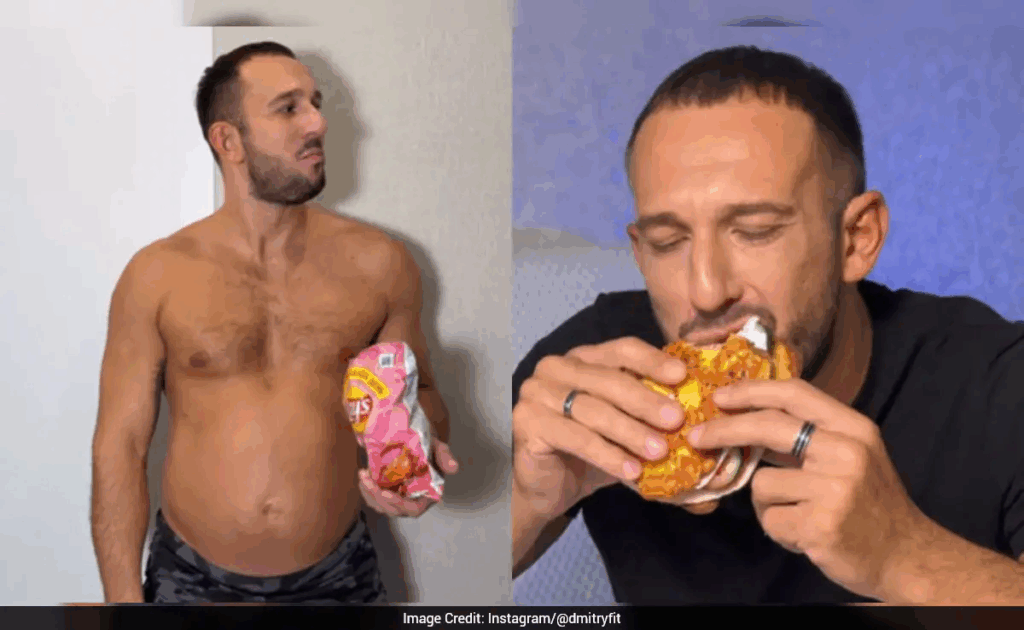
Russian fitness influencer Dmitry Nuyanzin’s death has sparked a broader conversation about dangerous social media health challenges and the increasingly blurred line between content creation and self-harm disguised as “transformation journeys.” The 30-year-old creator reportedly pushed his body through a rapid 25-kilogram weight gain, consuming 10,000 calories a day, as part of a promotional strategy for his upcoming weight-loss course. He died in his sleep before he could begin the weight reduction phase.
The incident highlights the emerging trend of high-risk physical challenges on social media and raises urgent questions about online accountability, physiological limits, and why extreme dieting experiments continue to thrive despite well-documented health risks.
Why the influencer attempted extreme weight gain
Nuyanzin’s goal was simple but dangerous: rapidly gain 25 kilograms so his audience could witness a dramatic transformation when he later shed the added weight. In his promotional videos, he told followers he was preparing for his weight-loss program and would undergo the transformation with them. Leveraging shock value, he framed the challenge as an inspirational journey.
To achieve this, he switched to what he called a “food marathon,” consuming nearly 10,000 calories per day. His daily meals reportedly included:
- A breakfast consisting of pastries and half a cake
- Lunch involving nearly a kilogram of dumplings coated in mayonnaise
- Frequent snacking on crisps and sugary foods
- Dinners featuring large burgers, multiple pizzas, and high-fat desserts
His social media posts displayed these meals in detail, turning his binge-eating regimen into a form of entertainment for his followers.
This pattern closely mirrors a growing online ecosystem: creators using extreme physical challenges to create visually dramatic before-and-after content, often at the expense of their own long-term health.
What caused his body to shut down?
While the official cause of death is yet to be released, early indications suggest the extreme calorie overload likely played a major role. According to reports, he complained of feeling unwell to friends, canceled client training sessions, and intended to seek medical attention. He died before doing so, with friends and family stating his heart stopped beating in his sleep.
Why extreme overeating is physiologically dangerous
When someone abruptly increases their calorie intake to several times the recommended amount, especially via high-fat, high-sugar foods, several risks emerge:
- Sudden spikes in blood glucose strain the pancreas
- Rapid weight gain can increase blood pressure
- Excessive fat consumption elevates triglyceride levels
- High-sodium processed foods stress the cardiovascular system
- Sleep apnea risk increases with sudden weight gain
- The heart must circulate more blood through a rapidly growing body mass
The combination of these factors can make the body vulnerable to acute cardiac events, especially when weight gain is rapid and unmonitored by medical professionals.
The rise of extreme transformation challenges on social media
Nuyanzin’s death underscores a broader trend: the escalating pressure on influencers to create increasingly extreme content to maintain visibility.
Why risky weight challenges appeal to creators
- Dramatic transformations generate viral engagement
- “Shock value” content performs strongly on algorithmic feeds
- Influencers often feel pressure to differentiate themselves in a saturated health niche
- Public transformations can boost sales of fitness programs and coaching services
At the same time, followers may not understand the dangers behind the scenes. Social media platforms do not consistently enforce guidelines on health misinformation, leaving creators free to promote extreme diets and unsafe self-experiments.
What makes this case different from typical fitness stunts
Unlike intentional bulking among athletes or controlled weight adjustments done under supervision, Nuyanzin’s challenge involved:
- No medical oversight
- Rapid, drastic calorie overload
- High consumption of processed foods
- A short timeline to reach extreme body changes
- Public performance of a dangerous behavior for online engagement
This was not scientific experimentation or structured body recomposition. It was binge eating framed as self-improvement content—a trend that health experts warn is becoming alarmingly common on digital platforms.
How audiences can distinguish safe fitness content from harmful advice
Viewers often struggle to differentiate between legitimate fitness transformations and harmful stunts. The following guardrails may help:
- Any fitness challenge that involves extreme eating habits should be treated with skepticism
- Safe programs emphasize gradual change, balanced nutrition, and professional oversight
- Influencers should transparently disclose qualifications
- Medical disclaimers and citations of credible sources (e.g., CDC, WHO, Mayo Clinic) are red flags if missing
- Content that celebrates “pain,” “suffering,” or unhealthy extremes should be avoided
Understanding why social media promotes dangerous behavior
The economics of online attention often incentivize creators to push boundaries. Platforms reward content that shocks, polarizes, or surprises. In fitness communities, this frequently translates into:
- Rapid weight-loss challenges
- “What I eat in a day” videos featuring unrealistic diets
- Unverified supplements or extreme detox regimens
- Dangerous bulking and cutting cycles
All of these trends disproportionately affect young audiences who may mimic these behaviors without understanding the science or the consequences.
What experts say should change
While this article does not quote specific experts without verified citations, similar cases in recent years have prompted medical professionals and digital safety researchers to call for
- Stronger platform regulation on extreme diet content
- Mandatory disclaimers for fitness transformations
- Limiting monetization on dangerous health challenges
- Partnerships between health agencies and platforms to boost safe content
- Greater public awareness of the risks of rapid body manipulation
The larger impact of Nuyanzin’s death
The tragedy is not just about the passing of one influencer. It reflects the high-pressure digital culture that rewards extremes and punishes moderation. As social media continues to blur boundaries between entertainment and health advice, cases like this expose the cost of turning one’s body into a performance stage.
Consumers, content creators, and platforms all share responsibility for shifting the culture toward safer, evidence-based health practices.
TL;DR
A Russian fitness influencer died after consuming 10,000 calories a day as part of an extreme challenge to gain 25 kilograms before starting a weight-loss course. His heart stopped while he slept. The case highlights the severe risks of rapid weight gain, the rise of dangerous social media fitness trends, and the need for stronger regulation and awareness around online health content.