

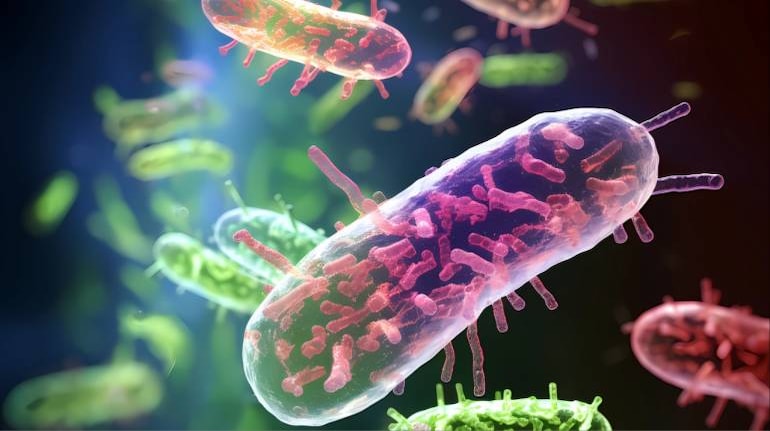
Swiss researchers used microbes to create electricity from brewery wastewater. A team of scientists from the Swiss Federal Institute of Technology Lausanne (EPFL) created bacteria called ‘Escherichia coli’ to accomplish this feat. “Because E. coli can grow on a variety of sources, we were able to generate electricity in a variety of environments, including wastewater,” senior author and chemical engineer Ardemis Boghossian was quoted as saying by Science Alert. According to Ardemis, scientists have already discovered certain unusual bacteria that can generate power spontaneously. However, they can only do so in the presence of certain specific ingredients.
The new bacteria developed by Swiss researchers can generate electricity in a variety of environments
The new bacteria developed by Swiss researchers can generate electricity in a variety of environments, making it suitable for widespread and practical application. To improve the bacteria’s engineering, the researchers altered its DNA to include instructions for protein complexes seen in Shewanella oneidensis, one of the most well-known bacterial energy generators. Scientists were able to double E. coli’s electroactivity by doing so. However, it should be mentioned that those trials were conducted in a laboratory setting, and it needs to be seen whether the same results can be obtained in industrial settings.
Researchers discovered that E. coli, rather than Shewanella oneidensis, is better suited to treating industrial effluent. Because the water used for cleaning grains and rinsing tanks contains a complex mixture of sugars, starches, alcohol, and yeast, breweries are normally required to cleanse it before disposing of it. This effluent, if left untreated, could promote harmful microbiological development. To show their method, the researchers used an engineered E. coli system and a sample of wastewater from a local brewery in Lausanne, Switzerland. Surprisingly, the engineered bacteria digested the effluent in 50 hours.
“Our bioengineered electric bacteria were able to flourish exponentially by feeding off this waste,” says Boghossian, whereas S. oneidensis, used as a comparator, wasn’t able to digest the mixed effluent. According to the researchers, this result underlines the promise of altered E. coli for industrial wastewater treatment, despite the fact that it generates electricity at a somewhat slower pace than S. oneidensis.