
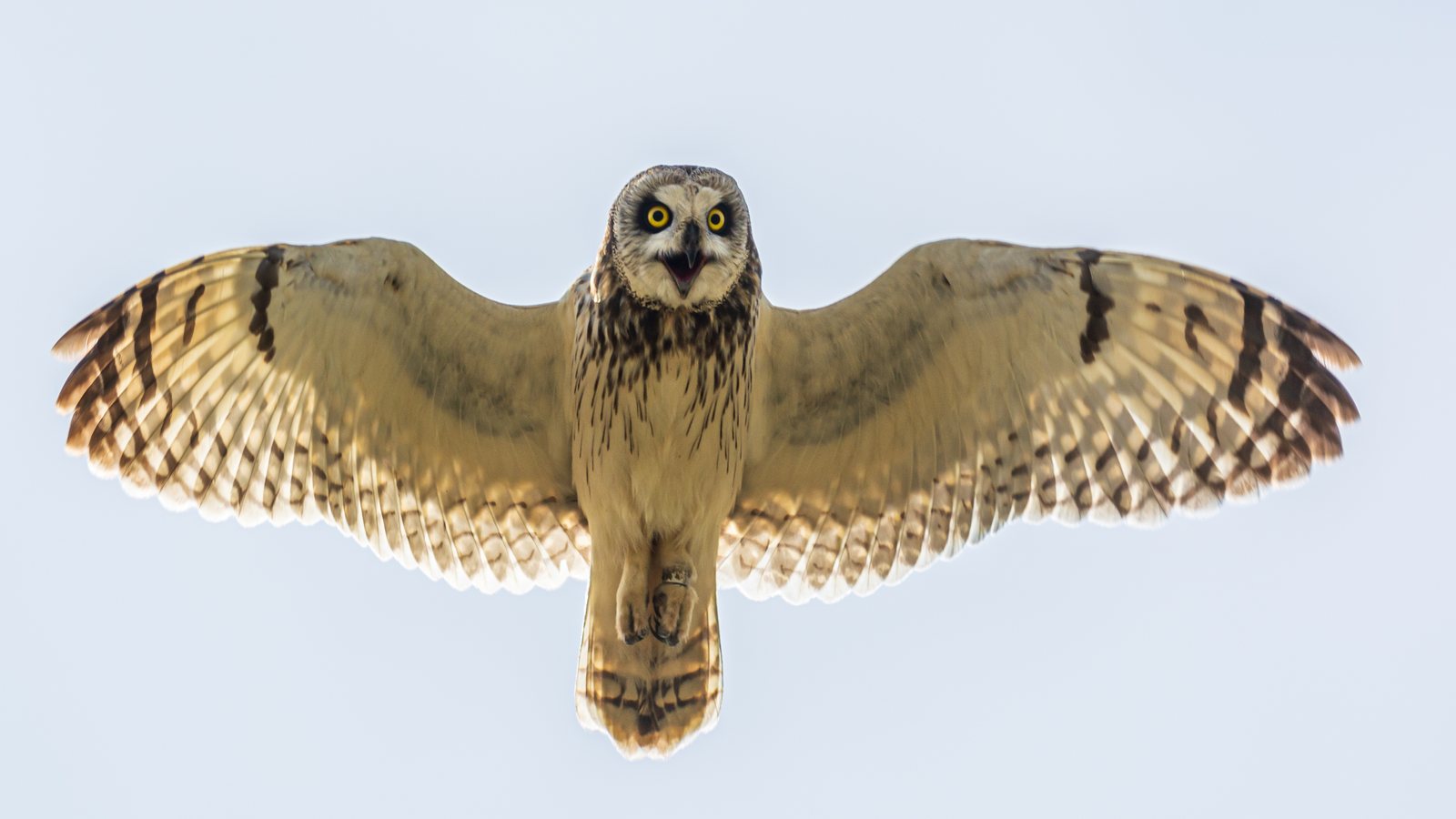

About 1,700 years ago, owls feasting on a glut of young frogs most likely left the 8,000-plus frog bones later dug out of a ditch near Cambridge, England. That is the finding of Bournemouth University and Museum of London Archaeology (MOLA) researchers.
Their study in Environmental Archaeology went online on Oct. 17, and Bournemouth announced it on Nov. 9.
The answer is interesting for what it overturns. MOLA first described the find in 2022. It set predators aside then, because the bones showed no digestion marks, and it placed the site in the Iron Age. The new work reverses both calls.
A ditch full of frogs, and five theories
Archaeologists dug the site at Bar Hill between 2016 and 2018, ahead of National Highways’ A14 Cambridge to Huntingdon road upgrade. The scheme turned up more than four tonnes of animal bone. One farmstead stood out.
There, a 14-meter ditch beside a roundhouse held more than 8,000 amphibian bones, according to MOLA’s June 2022 account. They came from at least 350 frogs and toads. MOLA dated the settlement to the Middle to Late Iron Age, 400 BC to AD 43.
That 2022 write-up worked through the options. People eating the frogs seemed unlikely, with no cut marks or burning. Birds or mammals seemed unlikely too, because MOLA found “no teeth marks or signs of digestion.” That left spring migrants falling in, a hard winter, disease such as ranavirus, or insects drawn to charred grain nearby.
The bones carried a predator’s signature after all
The new analysis began when Paul Clarkson of Bournemouth University read about the find. He contacted Vicki Ewens, MOLA’s senior zooarchaeologist. “I had so many theories,” Ewens said in Bournemouth’s Nov. 9 release.
Clarkson compared the damage on the bones with studies that link breakage patterns to particular predators. The team also recorded chemically damaged areas, Gizmodo reported. That is the kind of etching stomach acid can leave. The pattern pointed to birds of prey, most likely short-eared owls, with hen harriers as possible roost-mates.
The paper has six authors. Besides Clarkson and Ewens, they are Ellen Hambleton and Emma Jenkins of Bournemouth, Peter Andrews of London’s Natural History Museum, and Owain Scholma-Mason of Headland Archaeology.
The date moved too. Radiocarbon tests at the University of Vienna put the frogs at about 1,700 years old. That is the Roman period, roughly three centuries after MOLA’s Iron Age range for the settlement ends.
One winter, one glut, one flock
Two lines of evidence squeeze the event into a short window. Site evidence shows the ditch filled within a single year. A new method also helped: measuring each frog’s humerus, or upper arm bone. It showed that most died young, eaten in the winter of their first year.
The terrain explains the glut. Fen waters in the valley were retreating in Roman times, leaving wet ground where frogs bred well. Snail shells, pollen and charcoal show how people had cleared the valley’s woodland for grazing. By the Roman period the frogs had open grassland around them and little cover, which suits owls that hunt over open country.
The researchers also offer a more tentative idea. People may have used the spot mainly in summer and moved their livestock elsewhere for winter. A quiet site would have let the birds hunt and roost undisturbed.
“We don’t often get an owl’s eye view of what it was like in the past from archaeological sites,” Clarkson said. He summed up the result as “a feast of frogs that were eaten and their bones left behind by a group of owls.”
What the owls tell an American reader
Short-eared owls are not exotic. The species hunts marshes and prairies across much of the US. Audubon’s field guide lists voles and other small rodents as its staple food and does not mention frogs. So the Bar Hill ditch records opportunism: birds switching to whatever changed countryside served up in bulk.
It is also a reminder that “mystery solved” usually means a better-supported explanation, not a closed case. Bournemouth names owls or hen harriers as the most likely predators, not certain ones. Gizmodo adds that the study leaves open exactly how and why the bones gathered in that one ditch.
Bold readings of ancient remains deserve that caution, as the dispute over 115-million-year-old dinosaur red blood cells showed this month. Huge gatherings of animals in one odd spot are a puzzle of their own, like the 2.8 million eels on a Tasmanian seamount.
The paper is open access under a CC BY 4.0 licence, so anyone can check the bone-damage comparisons. The clearest test of the owl theory would be similar frog deposits in other Roman ditches on the Fen edge. For now, the verdict rests on one ditch at one site.