


A breakthrough treatment built from gene-edited immune cells has reversed aggressive and previously incurable blood cancers in patients who had run out of options. The therapy, developed by scientists at University College London and Great Ormond Street Hospital, uses “base editing” to reprogram donor T-cells into a precision cancer-killing “living drug.” Eleven patients have received the treatment so far, with 64% now in remission, including the first recipient, who remains cancer-free and now dreams of becoming a cancer researcher.
What Makes This New Blood Cancer Therapy a Breakthrough?
This clinical trial marks the first time base-edited cells have been used to treat human disease, and the early results are nothing short of extraordinary.
The therapy targets T-cell acute lymphoblastic leukemia (T-ALL), an aggressive and notoriously difficult cancer. Standard treatments, including chemotherapy and bone marrow transplants, often fail for relapsed or treatment-resistant cases. That’s the gap this new therapy aims to fill.
So far, 64% of trial participants, eight children and two adults, are in remission. For patients who had exhausted every other option, this success rate is remarkable.
Alyssa’s Story: From Isolation Ward to Future Scientist
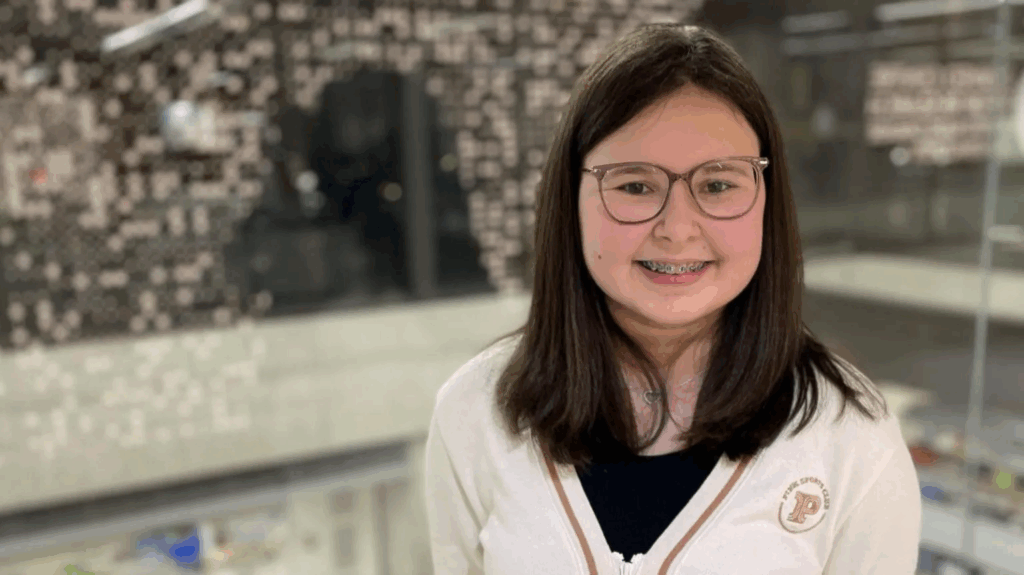
Every major medical breakthrough has a human face. For this therapy, it’s 16-year-old Alyssa Tapley, who became the first person in the world to receive the treatment at Great Ormond Street Hospital.
Alyssa’s leukemia had resisted every standard therapy. As a last-chance effort, she received the gene-edited T-cell treatment and spent four months in isolation while her immune system recovered.
Today, her cancer is undetectable. She’s healthy, back home, and planning an apprenticeship in biomedical science so she can help advance blood cancer research herself.
Alyssa’s story underscores what makes this therapy so meaningful: it offers real hope to patients who previously had none.
How the “Living Drug” Works: The Science Behind the Success
At the core of this therapy is base editing, a next-generation DNA tool that lets scientists make ultra-precise changes without cutting the genome. Think of it as spell-check for DNA, swapping one chemical letter for another to rewrite cellular instructions.
For this treatment, scientists start with healthy donor T-cells, then edit them to:
- Disable their targeting system so they don’t mistakenly attack the patient’s healthy tissue.
- Remove the CD7 marker — a chemical tag found on all T-cells — to stop the cells from killing each other.
- Add a protective “invisibility cloak” to shield them from chemotherapy drugs.
- Reprogram them to hunt and destroy anything carrying the CD7 marker, which includes the patient’s cancerous T-cells.
The result is a highly engineered battalion of immune cells built to survive, persist, and aggressively target leukemia.
From Infusion to Recovery: What Treatment Looks Like
Once the gene-edited cells are ready, they’re infused into the patient, similar to a blood transfusion.
What happens next:
- Over the first four weeks, doctors monitor for signs of cancer.
- If the disease becomes undetectable, patients receive a bone marrow transplant, which replenishes their immune system and helps cement the therapy’s long-term effects.
This two-step process is crucial: the edited cells clear out the cancer, and the transplant rebuilds the patient’s immune defenses.
A study published in the New England Journal of Medicine reports that nine of the first eleven patients reached deep remission and were eligible for transplant.
Why This Therapy Matters and What Comes Next
If larger trials confirm these early results, this could become one of the most significant advances in blood cancer treatment in a generation.
Key implications
- A new option for hard-to-treat leukemia, especially cases unresponsive to chemotherapy and transplants.
- A major step for gene editing in medicine: Base editing may soon be applied to other cancers or genetic diseases.
- A shift toward “off-the-shelf” cell therapies: Using donor cells instead of a patient’s own makes treatment faster and potentially more accessible.
Still, researchers caution that these are early findings. Long-term follow-up will be essential to understand durability, safety, and relapse risk.