
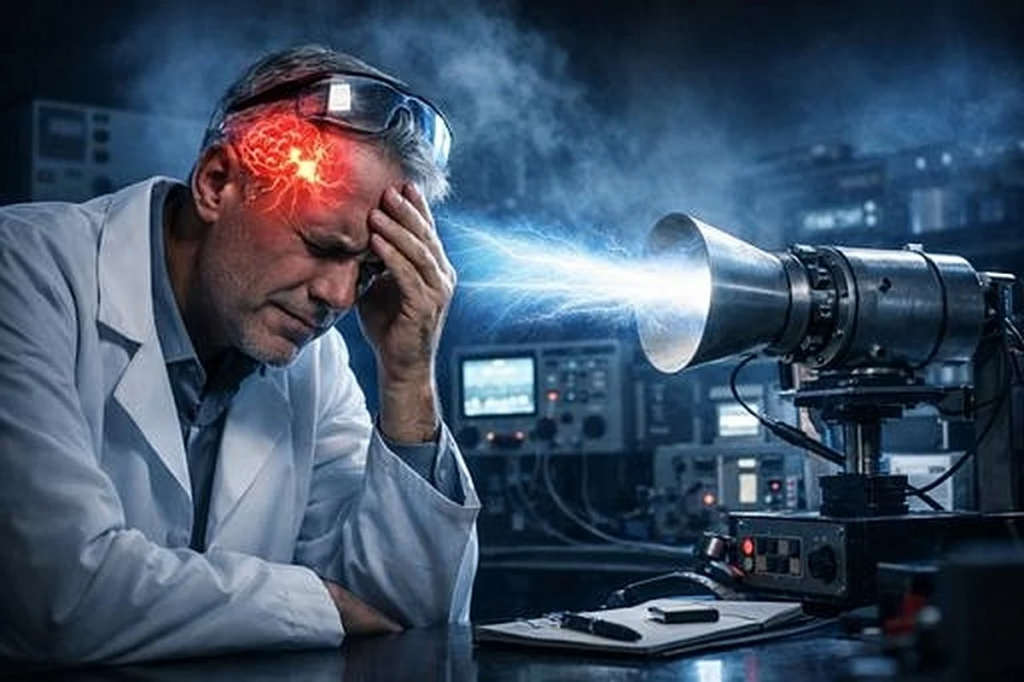
Nearly a decade after U.S. diplomats in Cuba reported unexplained neurological symptoms, the mystery known as Havana syndrome has returned to the spotlight. This time the catalyst isn’t a diplomatic incident but a laboratory accident.
A Norwegian government scientist reportedly suffered lasting brain damage in 2024 while testing a homemade electromagnetic device intended to examine whether energy exposure could harm the human brain. The case, first reported by The Washington Post, has reignited one of the most contested scientific and intelligence disputes of the past decade. The question remains the same as it was in 2016: are these symptoms caused by technology, environment, psychology, or something else entirely?
What is Havana syndrome?
Havana syndrome refers to a cluster of neurological and sensory symptoms first reported by U.S. diplomats and intelligence officers stationed in Havana, Cuba, in 2016.
Affected personnel described sudden health problems that appeared without warning and often without visible injury.
Common symptoms reported
- headaches
- dizziness or balance problems
- ringing or buzzing in the ears
- nausea
- confusion and memory loss
- sleep disturbances
- pressure sensation in the head
Some individuals also reported hearing a sharp or high pitched sound moments before symptoms began.
Since the initial cases, similar reports have emerged in multiple countries including China, Germany, Russia, Austria, Colombia, and Uzbekistan. Limited reports have also surfaced in India involving diplomatic staff.
What happened to the Norwegian scientist?
According to reporting reviewed by intelligence agencies, the scientist was skeptical that directed energy weapons could produce Havana syndrome symptoms. To test the theory, he constructed a device capable of generating strong pulses of microwave or electromagnetic radiation.
He then exposed himself to the device.
Instead of disproving the hypothesis, he reportedly developed symptoms similar to those described by affected diplomats:
- severe dizziness
- headaches
- memory impairment
- cognitive difficulties
Medical evaluation later confirmed lasting brain injury.
Norway reportedly shared the findings with intelligence partners, prompting visits from U.S. officials including personnel connected to national security agencies to examine the device.
Why this incident matters
For years, experts have been divided on whether Havana syndrome represented a physical injury or a psychological condition. Many intelligence reviews concluded there was no consistent evidence of a foreign adversary weapon.
This new case complicates that conclusion.
Unlike earlier reports, this incident involves:
- a known exposure
- a measurable device
- a documented injury
That does not prove past cases were caused by weapons, but it demonstrates that electromagnetic exposure can produce comparable neurological effects under certain conditions.
What are the main theories behind Havana syndrome?
No single explanation has been universally accepted. Instead, several competing theories continue to coexist.
Directed energy or microwave exposure
The most debated hypothesis suggests a focused energy source damaged the brain without leaving external marks.
Supporters argue the pattern of sudden onset symptoms and auditory sensations aligns with pulsed microwave exposure affecting neural tissue.
The Norwegian case adds plausibility but does not establish intent or real-world deployment.
Environmental or biological causes
Another camp proposes more ordinary explanations occurring simultaneously across postings.
Possible causes include:
- pesticide exposure
- toxins
- viral infections
- acoustic phenomena from the equipment
Some earlier investigations found environmental hazards at diplomatic residences, though not in every case.
Psychological or stress-related explanation
Several intelligence assessments concluded that many incidents were consistent with functional neurological disorder, a condition where the brain processes signals incorrectly without structural damage.
High-stress intelligence postings could amplify symptom perception across groups.
What scientists still don’t know
The debate persists because Havana syndrome is not one clean dataset. It is a collection of events across countries, buildings, time periods, and individuals.
Key unanswered questions:
- why symptoms vary in severity
- why only some people in the same building were affected
- why physical evidence has been inconsistent
- whether multiple causes exist under one label
The Norwegian experiment suggests at least one mechanism could replicate the symptoms. It does not confirm that the mechanism caused the diplomatic incidents.
Could directed energy weapons exist?
Microwave and electromagnetic research has existed for decades in communications, radar, and industrial applications. Under extreme exposure levels, biological effects are documented.
However, a covert portable device capable of selectively targeting individuals without detection remains unproven publicly.
This distinction is critical. Demonstrating harm in a controlled setting is different from demonstrating a deployable intelligence weapon.
Why do governments take the issue seriously
Even without consensus, governments continue investigations for three reasons:
- national security risk cannot be ignored
- diplomatic staff safety requires precaution
- unexplained injuries create legal and political liability
The Norwegian case may prompt renewed funding for research into electromagnetic health effects.
The bottom line
The Havana syndrome mystery has never been about a single event. It sits at the intersection of medicine, intelligence, and geopolitics.
The Norwegian scientist’s injury does not solve the puzzle. But it removes one certainty from the debate: the assumption that energy exposure cannot produce these symptoms.
The mystery now shifts from “is it possible” to “did it happen.”