
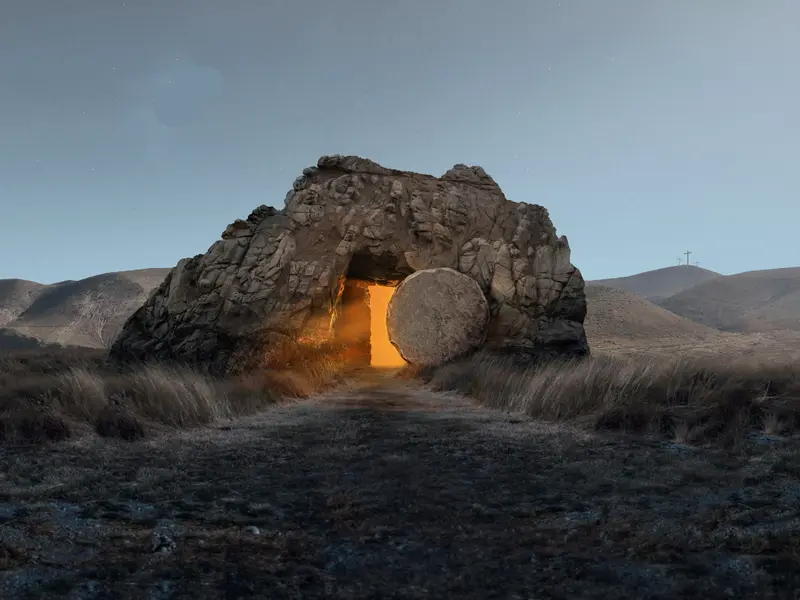
A newly studied megalithic tomb near Paris is reshaping what we know about life—and collapse—in prehistoric Europe. At a burial site in Bury, France, archaeologists have uncovered evidence that two entirely different communities used the same tomb thousands of years apart, with no genetic connection between them.
The findings, led by Frederik V. Seersholm of the University of Copenhagen, point to a stark reality: one Stone Age society disappeared, and another later took its place.
What was discovered at the Stone Age tomb near Paris?
The site centers on a megalithic tomb—a large stone burial chamber commonly used in Neolithic Europe.
Key findings
- The tomb was used in two distinct phases
- The first group buried their dead before 3000 BC
- A noticeable gap in usage separates the two periods
- A second, unrelated group reused the tomb later
Researchers analyzed DNA from the teeth of 132 individuals, revealing a complete genetic disconnect between the two populations.
Why this matters
This isn’t just a case of cultural change—it’s evidence of population replacement.
What does DNA analysis reveal about the two groups?
Ancient DNA was key to unlocking the mystery.
First group: Northern farming communities
- Linked to early agricultural societies
- Origins traced to northern France and Germany
- Strong family-based burial patterns
Second group: Southern migrants
- Genetic ties to southern France and Iberia (modern Spain and Portugal)
- Different burial customs
- Less emphasis on family clustering
“We see a clear genetic break between the two periods,” Seersholm noted.
Why DNA matters here
Without genetic analysis, archaeologists might have assumed cultural continuity. Instead, the data shows:
- No shared ancestry
- No gradual transition
- A complete societal reset
How did the first Stone Age society collapse?
This is the central question—and one that remains unresolved.
Researchers have proposed several theories based on the evidence.
1. Catastrophic events: war, famine, or disaster
One clue lies in the burial demographics.
- A high number of children and young people were found
- This pattern can indicate sudden, large-scale mortality
Possible causes include:
- Violent conflict
- Food shortages
- Natural disasters
However, tombs don’t represent entire populations, so conclusions remain tentative.
2. Disease outbreaks in the community
Scientists identified traces of dangerous pathogens, including:
- Yersinia pestis (linked to plague)
- Borrelia recurrentis
What this suggests
- Infectious diseases were present
- The community likely faced health crises
But these pathogens were not widespread enough in the sample to fully explain the collapse.
3. Environmental stress and land abandonment
Pollen analysis from the surrounding Paris Basin adds another layer.
Key environmental clues
- Forests began to regrow during the burial gap
- This indicates farming activity stopped
What it means
- The land was abandoned
- Agricultural systems likely broke down
- Environmental stress may have contributed to societal decline
How did burial practices differ between the two groups?
The tomb itself tells a story of changing social structures.
First group: Family-centred burials
- 55 out of 72 individuals were buried near relatives
- Suggests tight-knit kinship networks
Second group: Shift in social organisation
- Only 21 individuals were buried near relatives
- Evidence of a dominant male lineage
Why this matters
These differences point to:
- Changing social hierarchies
- Different cultural values
- Possibly new systems of power and inheritance
What does this discovery tell us about prehistoric Europe?
This isn’t an isolated case. Across Europe, the late Stone Age saw major transitions.
Broader implications
- Population movements were more common than once thought
- Entire communities could disappear and be replaced
- Cultural continuity does not always mean genetic continuity
The Bury tomb provides a rare, biological record of collapse and renewal.
Why this “Stone Age mystery” is significant today
Understanding ancient collapses can offer insight into modern challenges.
Lessons from the past
- Societies can fail due to multiple overlapping pressures
- Disease, environment, and conflict often interact
- Recovery may come not from survival—but replacement
This discovery underscores how fragile early agricultural societies could be.
TL;DR
- A megalithic tomb near Paris was used by two unrelated groups thousands of years apart.
- DNA analysis shows a complete population replacement.
- The first society likely collapsed due to a mix of disease, environmental stress, or disaster.
- The second group came from southern regions and had different social structures.
- The site offers rare insight into how entire communities vanished in the Stone Age.