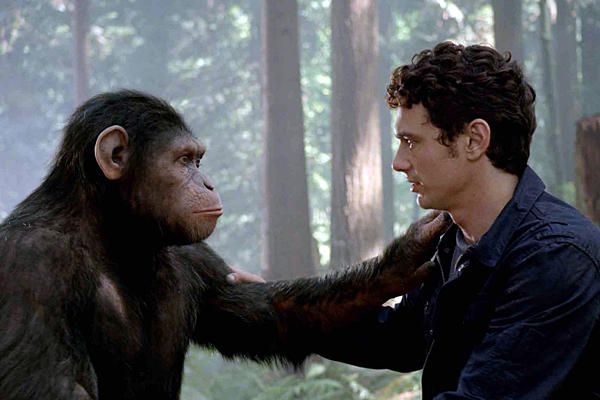
Lemurs, monkeys, apes, and humans all belong to the primate family, which has been the subject of the most thorough genomic study to date. This study also clarified the time frame in which our evolutionary lineage diverged from our closest relatives, chimpanzees, and bonobos. Nearly half of the species of primates that are currently alive have had their genomes sequenced and analyzed by researchers, who reported their findings on Thursday. Surprisingly, they found that the majority of these species have higher genetic diversity than humans. Genetic diversity is the variation within a species that is necessary for adaptation to changing environments and other challenges.
Researchers trained an AI model using the genomes of primates
The researchers identified genetic changes that were specifically human and involved brain function and development, despite several genetic differences that were previously believed to be unique to human beings discovered in other monkey species. Additionally, they trained an AI model using the genomes of primates to detect disease-causing genetic alterations in humans.
“Studying primate genomic diversity is not only important in the face of the ongoing biodiversity crisis, but also has huge potential to improve our understanding of human diseases,” said genomicist Lukas Kuderna of the Barcelona Biomedical Research Park’s Institute of Evolutionary Biology in Spain and Illumina Inc (ILMN.O), lead author of the main paper on the research published in the journal Science.
Lemurs, lorises, tarsiers, Old and New World monkeys, the “small apes” (gibbons and siamangs), and the “great apes” (orangutans, gorillas, chimpanzees, and bonobos) are among the more than 500 species of primates. The primates with the least resemblance to humans are lemurs and lorises.
The closest living species to humans genetically are chimpanzees and bonobos
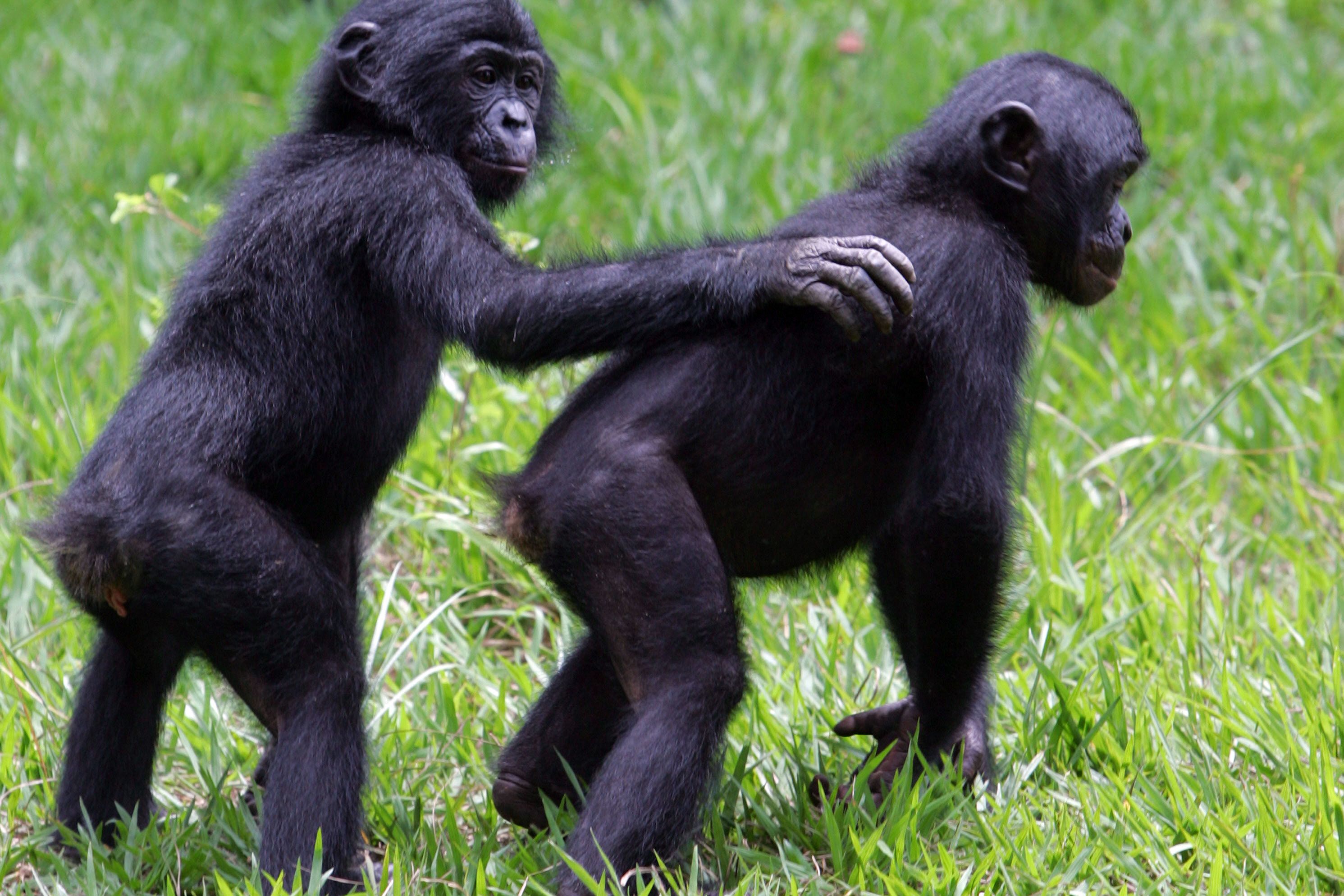
“Primates are a diverse order of mammals to which we humans belong, which are characterized by traits such as large brains, high dexterity – with most species having opposable thumbs – and good vision. They inhabit the Americas, Africa including Madagascar, and Asia,” Kuderna said.
The closest living species to humans genetically are chimpanzees and bonobos, who have 98.8% of our DNA in common.
The study revised the timing for the split between the evolutionary branches that gave rise to humans and those that produced chimpanzees and bonobos, discovering that this historical event took place 6.9 million to 9 million years earlier than previously thought.
Through a series of species, the human lineage eventually accumulated important traits like bipedalism, longer limbs, and a larger brain. Our species, Homo sapiens, first appeared about 300,000 years ago, in Africa.
Some of the most threatened primates were the subject of the study
The study looked at the common ancestry of primates. After the asteroid strike that wiped out the dinosaurs 66 million years ago and allowed mammals to take control, the last common ancestor of all living primates lived between 63.3 million and 58.3 million years ago. During this time, amazing evolutionary innovation occurred.
About 60% of monkey species are now threatened with extinction by human-related stressors such as habitat degradation, climate change, and hunting.
“The vast majority of primate species have significantly more genetic variation per individual than do humans,” said genomicist and study co-author Jeffrey Rogers of the Baylor College of Medicine in Texas. “This shows that there were likely multiple significant population bottlenecks that have altered the amount and nature of genetic variation in ancient human populations.”
The primate species that require the most urgent conservation efforts can be determined using the genome data.
Some of the most threatened primates were the subject of the study. These included the Northern Sportive Lemur, with only about 40 remaining in the wild in a limited area of northern Madagascar, and the Western Black Crested Gibbon, with an estimated 1,500 remaining in the wild dispersed between China, Laos, and Vietnam.
“Interestingly, we find genetic diversity to be a poor predictor of extinction risk overall,” Kuderna said. “This could be because primate populations of different species have declined so quickly that their genetics has not yet had time to catch up and reflect that loss of population size.”