
TL;DR
The July 2025 Buck Moon peaks on July 10 at 4:37 p.m. EDT, offering a beautiful spectacle in the night sky. But beyond its brightness and folklore, this full moon holds deeper cultural meanings, raises questions about accessibility, and highlights environmental challenges that affect how different communities experience this celestial event.
What Is the July Buck Moon and Why Does It Matter Beyond Its Glow?
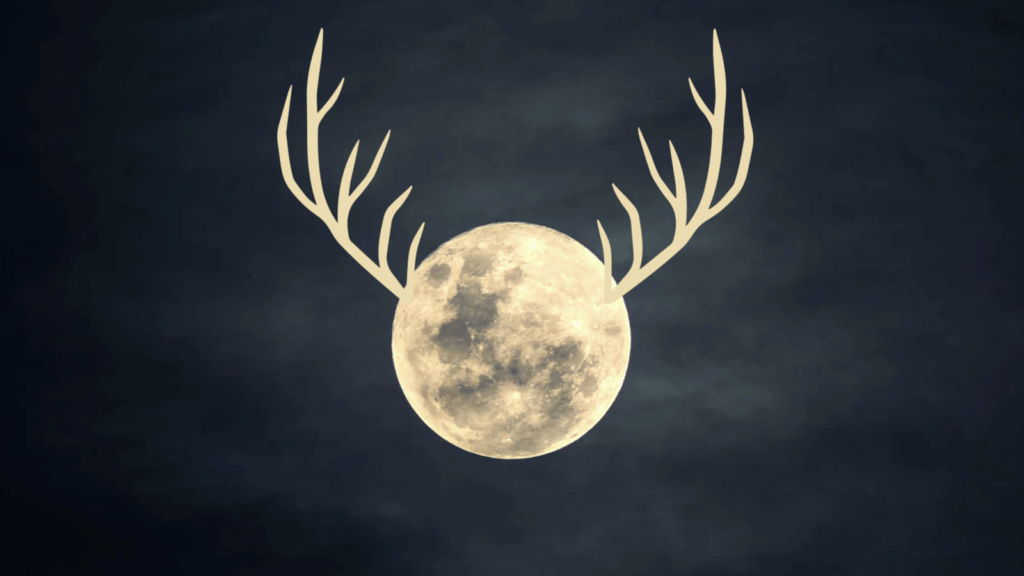
The Buck Moon is July’s full moon, traditionally named by Native American tribes to mark the time when male deer grow new antlers. While many know it as a summer sky event, the Buck Moon carries rich stories and significance that often go unrecognized.
Indigenous Traditions and the Buck Moon’s Cultural Roots
- More than a Name: Tribes like the Algonquin, Cree, and Tlingit have unique stories tied to this moon, linking it to natural cycles like animal behaviors, weather changes, and harvest times.
- Colonial Impact: European settlers adopted and adapted these names, sometimes erasing or simplifying the original meanings.
- Living Traditions: Today, many Indigenous communities continue to honor the Buck Moon through ceremonies, storytelling, and connection to the land—practices that are often overlooked in mainstream coverage.
Lunar Traditions in Immigrant and Diaspora Communities
- Many immigrant groups in the U.S. observe lunar calendars with their own full moon names and festivals in July, such as the Buddhist Asalha Puja or the Islamic lunar calendar’s significance.
- These traditions enrich America’s cultural landscape but rarely feature in popular moon lore.
How Accessibility and Environment Shape the Buck Moon Experience
The Challenge of Light Pollution in Urban and Low-Income Areas
- Sky Visibility: In many cities, artificial lighting obscures the full moon’s brilliance, limiting the experience for millions.
- Environmental Justice: Communities with fewer resources often have less access to green spaces or dark skies, creating a disparity in who can enjoy events like the Buck Moon.
- Efforts to Improve Access: Some cities are adopting “dark sky” initiatives and public moon-viewing events to bridge this gap.
Disability and the Night Sky
- Visual Impairments: For people with limited or no sight, the moon’s glow is less accessible, but tactile moon models, audio descriptions, and multisensory events can foster inclusion.
- Mobility Considerations: Public viewing events need to be accessible to all, ensuring ramps, seating, and transportation options.
Why Does the Buck Moon Still Matter in a Changing World?
- Environmental Awareness: The Buck Moon’s timing aligns with summer’s peak heat and drought concerns in many regions, reminding us of our planet’s cycles and vulnerabilities.
- Community Connection: In an increasingly digital world, gathering to watch the moon fosters human connection and mindfulness.
- Scientific Importance: Full moons help scientists study lunar geology and calibrate instruments, while also influencing Earth’s tides and ecosystems.
How to Experience the July 2025 Buck Moon Fully and Responsibly
- Check Local Moonrise Times: July 10 evening is prime time; find a clear eastern horizon.
- Seek Out Dark Skies: Visit parks or dark sky preserves where possible.
- Join Community Events: Many libraries, museums, and observatories hold inclusive moon-viewing nights.
- Use Technology: Apps can help identify the moon’s position and share cultural stories behind it.
- Practice Environmental Care: Respect natural habitats and minimize light pollution during your viewing.
Frequently Asked Questions
What makes the Buck Moon different from other full moons?
Its cultural significance tied to natural cycles and its timing during summer’s growth phase set it apart.
Can people in cities see the Buck Moon clearly?
Light pollution can dim the view, but the moon’s brightness often still makes it visible, especially just after moonrise.
How can someone with disabilities enjoy the Buck Moon?
Look for accessible astronomy programs that offer tactile models, audio guides, and inclusive events.