• About BreezyScroll
  • Privacy & Policy
  • Contact Us
Thursday, July 2, 2026
BreezyScroll
  • Home
  • Breezy Stories
  • Technology
  • Gaming
  • Entertainment
  • Lifestyle
  • World
  • Money
  • Sports
  • Breezy Explainer
No Result
View All Result
  • Home
  • Breezy Stories
  • Technology
  • Gaming
  • Entertainment
  • Lifestyle
  • World
  • Money
  • Sports
  • Breezy Explainer
No Result
View All Result
BreezyScroll
No Result
View All Result

Home  /  Space  /  Long space trips are damaging astronauts’ brains, claims study

Long space trips are damaging astronauts’ brains, claims study

by Siddhi Vinayak Misra
June 10, 2023
in Science, Space
Reading Time: 2 mins read
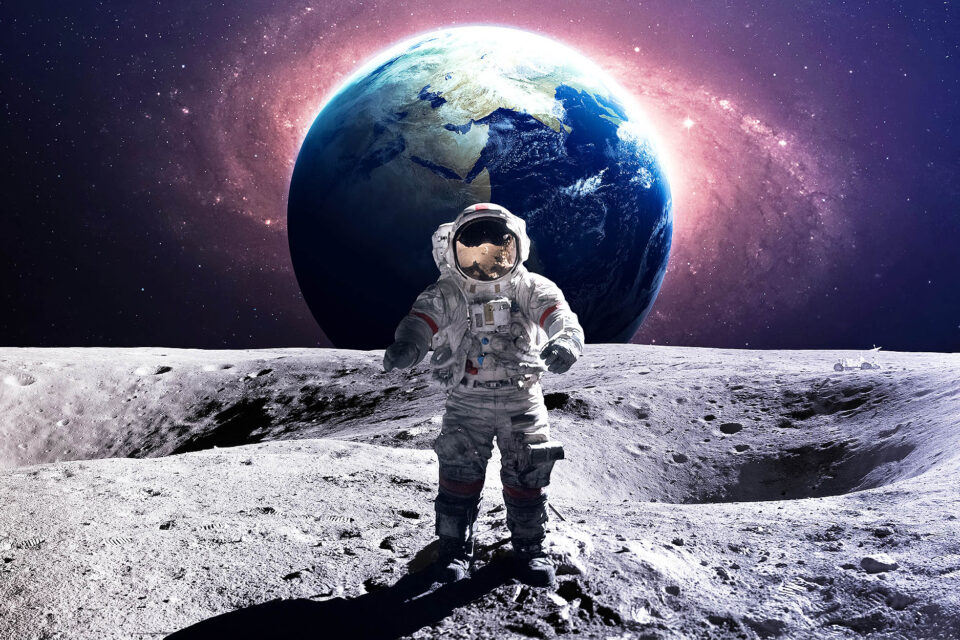
Long space trips are damaging astronauts' brains, claims study

According to experts, long-term space missions are harming astronauts’ brains. Astronauts who spend a significant amount of time in space should allow their brains three years to recover from the changes caused by their missions. These are the findings of a recent study that looked at how the brain responds to gravity outside of Earth. It comes before what is expected to be a new era of long-term space travel, including the first Mars expeditions.

Long space missions cause enlarged ventricles

Researchers investigated the brain scans of up to 30 astronauts before and after their space journeys. They discovered that longer-than-six-month travels led to significantly enlarged brain ventricles, which could take up to three years to recover from. The ventricles are hollow regions in the brain that contain a fluid that cleanses, hydrates, and protects the brain. The fluid is normally spread throughout the body, but because there is no gravity in space, it is sometimes pulled upward, pushing the brain higher in the skull.

“We found that the more time people spent in space, the larger their ventricles became,” said Rachael Seidler, a professor of applied physiology and kinesiology at the University of Florida and an author of the study told the Independent.

“Many astronauts travel to space more than one time, and our study shows it takes about three years between flights for the ventricles to fully recover,” she said.

Eight of the thirty astronauts involved in the study had spent two weeks in space, 18 had completed six-month missions, and four had spent a full year in space. After two weeks, the brain had not changed substantially, and after six months, the changes appeared to have stopped. This is useful for those taking part in short journeys like those advocated by tourist ventures like SpaceX.

It may also be valuable for astronauts starting on long trips, such as those to Mars. The lack of changes between six and twelve months may also be good news for those long trips, but researchers have not yet examined people who have been gone for more than a year.

“We were happy to see that the changes don’t increase exponentially, considering we will eventually have people in space for longer periods,” said Professor Seidler.


ShareTweetShareSend

Recent Articles

Japan PM Sanae Takaichi’s India Visit: A New Chapter in India-Japan Ties

Japan PM Sanae Takaichi’s India Visit: A New Chapter in India-Japan Ties

July 2, 2026
Could the CIA’s MKUltra Mind-Control Program Still Be Active? Former Investigators Say It’s Possible, But There’s No Evidence

Could the CIA’s MKUltra Mind-Control Program Still Be Active? Former Investigators Say It’s Possible, But There’s No Evidence

July 2, 2026
Netflix Unhinged: How to Play, Story, Game Modes, and Survival Tips for the Interactive Horror Thriller

Netflix Unhinged: How to Play, Story, Game Modes, and Survival Tips for the Interactive Horror Thriller

July 2, 2026
‘Time Traveler from 2118’ Claims Commercial Time Travel Will Arrive by 2028: Here’s What He Says

‘Time Traveler from 2118’ Claims Commercial Time Travel Will Arrive by 2028: Here’s What He Says

July 2, 2026
BreezyScroll Logo

BreezyScroll is a global content platform that provides a unique experience of enhancing the knowledge quotient for its audience by providing the latest news and updates from various categories such as politics, sports, entertainment, technology, and more.
The platform aims to provide a concise and easy-to-read format for its users. BreezyScroll covers news stories from around the world, majorly the United States. The platform was launched in 2021 and has become one of the fastest-growing content companies in the US.

Follow Us

Browse by Category

  • Africa
  • Alaska
  • Animals
  • Asia
  • Athletics
  • Australia
  • Auto
  • Basketball
  • Bollywood
  • Brand
  • Breezy Explainer
  • Breezy Feature
  • Breezy Soul
  • Business
  • Canada
  • Chess
  • China
  • Coronavirus
  • Cricket
  • DIY
  • Education
  • Entertainment
  • Environment
  • EPL
  • Europe
  • Exclusive Interview
  • Exclusive Review
  • Football
  • Gaming
  • Health
  • Hollywood
  • India
  • International
  • K Pop
  • Law
  • Lifestyle
  • Middle East
  • Money
  • NFL
  • North America
  • OTT
  • Paris Olympics
  • Pets
  • Press Releases
  • Russia
  • Science
  • South America
  • Space
  • Sports
  • Startup
  • Technology
  • Tennis
  • Tennis
  • The Achievers
  • The US
  • Travel
  • UK
  • UK
  • Uncategorized
  • World
  • WWE

Trending Topics

AI Apple Australia Biden California Canada ChatGPT China Climate Change Coronavirus COVID-19 Donald Trump Elon Musk Featured Florida Google IPL Iran Japan Joe Biden Mars Meta Moon NASA NBA Netflix New York North Korea Ohio OpenAI Putin Russia Russia-Ukraine crisis South Korea Taliban Tesla Texas TikTok Trump Twitter UFO UK Ukraine USA Virat Kohli

No Result
View All Result
  • About BreezyScroll
  • Privacy & Policy
  • Contact Us

© 2024 · BreezyScroll.com

No Result
View All Result
  • Home
  • Breezy Stories
  • Technology
  • Gaming
  • Entertainment
  • Lifestyle
  • World
  • Money
  • Sports
  • Breezy Explainer

© 2024 · BreezyScroll.com

Go to mobile version