
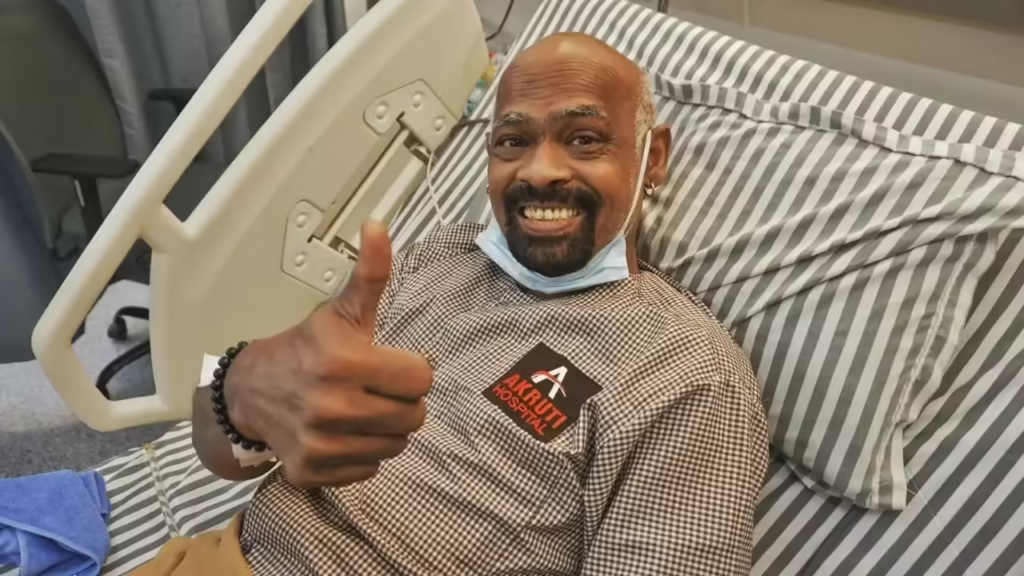
Recent updates on former Indian cricketer Vinod Kambli have brought renewed focus to a serious but often misunderstood health condition, a brain clot, and its link to stroke risk. While Kambli is reportedly stable, medical experts suggest his condition remains fragile due to the presence of an untreated clot in the brain.
His case highlights a broader issue: how delayed diagnosis and lifestyle factors can turn a manageable condition into a long-term neurological threat.
What Is a Brain Clot and Why Is It Dangerous?
A brain clot—medically referred to as cerebral thrombosis- occurs when a blood clot blocks or restricts blood flow to parts of the brain.
What happens in the brain?
- Oxygen supply to brain cells is reduced
- Neurons begin to get damaged or die
- Key functions like memory, speech, and movement are affected
In Kambli’s case, the clot cannot be surgically removed due to delayed medical intervention. That makes management more complex and increases the risk of complications.
Why does this raise stroke risk?
A clot in the brain is one of the leading causes of an ischemic stroke, where blood flow is blocked entirely or partially.
- The longer the blockage persists, the greater the damage
- Even partial obstruction can lead to progressive neurological decline
How Is Vinod Kambli’s Condition Affecting His Brain?
One of the most concerning aspects of Kambli’s health is its impact on cognitive function.
Memory loss and fragmented recall
Reports suggest that:
- He remembers certain events clearly
- Other memories remain inaccessible
- There has been no rapid deterioration recently
This pattern is typical of localized brain damage, where certain regions are affected more than others.
Why is memory impacted?
Memory functions are tied to specific brain regions. When blood flow is disrupted:
- Short-term recall may weaken
- Long-term memory retrieval becomes inconsistent
- Cognitive processing slows down
While Kambli can reportedly walk with support, his neurological symptoms, especially memory, remain the primary concern.
What Are the Warning Signs of a Brain Clot or Stroke?
Kambli’s case underscores the importance of recognizing early symptoms. These signs can appear suddenly or develop gradually—but all require immediate attention.
Key symptoms to watch for
- Sudden memory lapses or confusion
- Difficulty speaking or slurred speech
- Weakness or numbness (often on one side of the body)
- Trouble maintaining balance or coordination
- Severe or persistent headaches
- Vision disturbances
When to act
If even one of these symptoms appears abruptly, it could indicate a stroke. Immediate medical care can significantly improve outcomes.
Why Lifestyle Factors Play a Critical Role
Beyond the clot itself, lifestyle choices can significantly influence recovery and future risk.
Smoking and stroke risk
Despite reportedly quitting alcohol, Kambli’s continued struggle with smoking is a major concern.
- Smoking damages blood vessels
- It increases clot formation
- It reduces oxygen delivery to the brain
In someone already at risk, this can accelerate complications.
Other contributing factors
- High blood pressure
- Poor diet
- Lack of regular monitoring
- Medication non-adherence
These factors can compound the effects of an existing clot.
Why Delayed Treatment Limits Options
Early detection is often the difference between full recovery and long-term damage.
What happens when treatment is delayed?
- Clots may become too risky to remove surgically
- Brain tissue damage may become irreversible
- Treatment shifts from cure to management and prevention
In Kambli’s case, doctors have indicated that surgery is no longer viable, making preventive care the primary strategy.
What Treatments Are Available for Brain Clots?
Treatment depends on the timing, size, and location of the clot.
Common approaches
- Blood thinners: Prevent further clotting
- Clot-dissolving drugs: Used in the early stages
- Lifestyle modification: Diet, exercise, quitting smoking
- Rehabilitation: For cognitive and physical recovery
Long-term management
For patients like Kambli:
- Regular neurological monitoring is essential
- Medication adherence becomes critical
- Caregiver support plays a major role
What Does This Case Teach Us About Brain Health?
Kambli’s condition is a reminder that neurological symptoms, especially memory issues, should never be ignored.
Key takeaways
- Memory loss is not always benign—it can signal deeper issues
- Early intervention can prevent life-threatening complications
- Lifestyle discipline is as important as medical treatment
A broader perspective
Brain health often deteriorates silently. By the time symptoms become noticeable, damage may already be underway.
This makes awareness and preventive care essential—not just for high-risk individuals but for everyone.
TL;DR
- Vinod Kambli is dealing with a brain clot that increases his stroke risk
- The clot cannot be surgically removed due to delayed treatment
- Memory loss and cognitive issues are key concerns
- Smoking and other lifestyle factors heighten the danger
- Early detection and strict management are critical to preventing stroke