
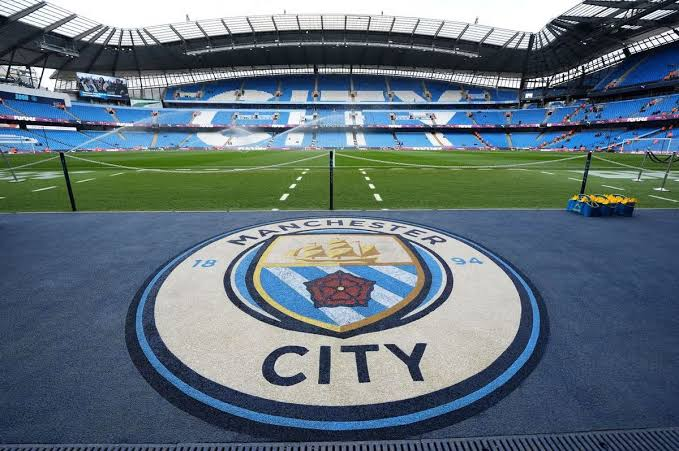
Manchester City have lodged an appeal against an independent commission’s ruling that found the club guilty of serious breaches of Premier League financial regulations, escalating a case that has hung over English football for years.
City filed the appeal at 7 p.m. on Thursday, October 1, according to the club and the Premier League. The club said the commission’s opinion contains “clear material errors, of law, principle and fact” and insisted that it remains innocent of the accusations.
The appeal now moves the dispute into a new stage, with an independent three-member appeal board set to examine the commission’s decision.
The original case covered nine seasons from 2009-10 through 2017-18 and involved allegations concerning the club’s financial reporting, commercial arrangements and cooperation with the Premier League’s investigation.
Why has Manchester City appealed?
Manchester City has consistently denied wrongdoing throughout the long-running investigation.
In its appeal statement, the club said it had submitted a “comprehensive Appeal” and argued that the commission’s findings were fundamentally flawed.
City also said it had a substantial body of evidence supporting its position but would not comment further while the proceedings remain active.
The club’s appeal is not a new investigation. Instead, an independent Appeal Board will review the commission’s decision under the Premier League’s disciplinary framework.
What did the independent commission find?
The independent commission found that Manchester City had breached Premier League financial rules over nine seasons between 2009-10 and 2017-18.
One of the central issues concerned commercial agreements that the commission described as “sham” contracts. The ruling said the arrangements were used to inflate the club’s reported revenue and understate its costs.
The Premier League said the disputed arrangements affected more than £900 million in revenue and costs over the period examined.
City was also found guilty of three of four charges relating to a failure to cooperate with the league’s investigation.
The club has rejected the commission’s conclusions.
What is the £830 million figure?
The £830 million figure relates specifically to funding that the commission said came from the Abu Dhabi United Group, or ADUG, rather than the sponsors whose payments were recorded in Manchester City’s accounts.
According to the commission’s findings, Abu Dhabi sponsors paid £119.25 million of the £949.94 million recorded in the club’s accounts, while £830.69 million came from ADUG.
The distinction is central to the disagreement between Manchester City and the commission.
City has argued that the additional funding came from the Abu Dhabi government, which owned the sponsors, and not from ADUG, the private company associated with club owner Sheikh Mansour.
The commission rejected that explanation. Manchester City continues to dispute the finding.
What will Manchester City’s appeal argue?
The precise legal grounds of City’s appeal have not been published in full.
However, the funding of Abu Dhabi-linked sponsorship agreements is expected to be a major part of the club’s challenge.
City’s position is that the source of the disputed payments was misunderstood and that the commission made errors when determining how those sponsorship arrangements were financed.
The club’s chief executive, Ferran Soriano, has separately rejected the commission’s account and argued internally that the Premier League case rests on an incorrect allegation about the movement of the owner’s money into the club through sponsors.
Because the appeal hearing will be private, the public may not see the full arguments until the eventual decision is published.
How will the appeal process work?
The appeal will be heard by an independent three-member Appeal Board appointed by the chair of the Premier League’s Judicial Panel.
The Premier League has confirmed that the hearing will remain private and confidential unless and until publication of the outcome is permitted.
Under the league’s rules, a hearing should take place within 12 weeks of the appeal being lodged. A decision is then due within 30 days of the conclusion of the hearing.
The Appeal Board will not conduct an entirely new trial of the dispute. Instead, it will review the commission’s decision and the grounds raised by Manchester City.
The board has several options, including dismissing the appeal, allowing it, sending the matter back to the commission for further consideration or changing an existing order.
What penalties could Manchester City face?
The commission process allows for a range of possible sanctions.
Depending on the eventual outcome of the disciplinary proceedings, those could include a reprimand, a financial penalty, a points deduction, suspension or other sporting sanctions.
The Premier League has also indicated that expulsion from the competition is among the potential sanctions available under its rules, although no club has ever been expelled from England’s top division.
Importantly, the commission’s finding is not the same thing as a final punishment. The appeal process remains unresolved, and City can also separately challenge any sanction imposed.
What did the Football Association say?
The Football Association has entered the discussion cautiously.
In a statement on October 2, the FA said the independent commission’s decision had “significant implications for the integrity of the game.”
The governing body said it was considering the implications of the ruling and would take action where appropriate.
However, the FA added that it would not comment further while proceedings between Manchester City and the Premier League remain ongoing.
That means any separate action by the FA is likely to depend on the outcome of the current disciplinary process and the evidence available after the appeal.
Why has the case taken so long?
The financial case against Manchester City has been running for years.
The Premier League investigation began after information emerged about the club’s financial affairs, and the disciplinary hearing itself took place between September and December 2024.
The publication of the independent commission’s ruling in September 2026 finally provided a detailed public account of the findings.
The length of the proceedings has been a source of frustration for the league and other observers, although the complexity of the allegations and the volume of evidence have contributed to the case’s extended timeline.
Manchester City has continued to deny the accusations throughout.
Why is the Abu Dhabi funding issue so important?
At the heart of the dispute is a broader question about the relationship between football clubs, their owners and companies connected to them.
Premier League financial rules are designed to regulate clubs’ finances and prevent arrangements that could artificially increase revenue or otherwise circumvent spending restrictions.
The commission concluded that a significant portion of the money recorded as sponsorship revenue actually came from ADUG.
Manchester City disputes that interpretation and says the commission misunderstood the source of the funds.
The appeal could therefore turn in part on how the independent panel interprets the evidence surrounding those commercial agreements.
What about UEFA’s financial rules?
The case has also renewed attention on City’s previous disputes with European football’s governing body.
Manchester City were banned from UEFA competitions for two seasons in 2020 over financial-control rules, but the Court of Arbitration for Sport overturned the ban later that year, while maintaining a fine for failing to cooperate with UEFA’s investigation.
The current Premier League proceedings are separate from that case.
The new appeal will therefore focus on the findings made under Premier League rules and the evidence considered by the independent commission.
What happens to Manchester City while the appeal continues?
Manchester City’s football season continues while the appeal is pending.
The club’s Premier League campaign is not automatically suspended because it has challenged the commission’s decision.
The question of sanctions, if any, remains separate from the appeal against the findings themselves.
That means the club can continue competing while the legal and disciplinary process moves forward, unless a later decision imposes a sporting sanction that changes its status.
Could the appeal change the original ruling?
Yes.
The Appeal Board has the authority to dismiss or allow City’s appeal, return matters to the original commission or vary an order.
That means the commission’s findings are not necessarily the final word in the case.
The appeal board’s decision is intended to be final under the Premier League process, subject to limited circumstances in which further arbitration may be possible.
Until that process concludes, Manchester City’s position remains that the commission’s ruling is flawed and should be overturned.
What does the case mean for the Premier League?
Beyond Manchester City, the dispute has implications for how English football regulates club finances.
The Premier League has increasingly relied on financial rules to monitor clubs’ spending, commercial relationships and accounting practices.
The FA’s statement shows that the case is also being viewed in the broader context of the sport’s integrity.
If the commission’s findings ultimately stand, the case could become an important reference point for the enforcement of financial regulations and the treatment of sponsorship arrangements involving owners or related entities.
If the appeal succeeds or materially changes the ruling, it could instead raise questions about the interpretation and application of those rules.
What happens next?
The immediate next step is the appointment and scheduling of the independent three-member Appeal Board hearing.
Under the Premier League’s timetable, the hearing should take place within 12 weeks of City’s October 1 filing, with a decision expected within 30 days after the hearing concludes.
Because the process is private, there may be limited public information about the arguments while the case is being heard.
The eventual ruling will determine whether the independent commission’s findings remain intact, are modified or are sent back for further consideration.
For now, Manchester City continues to reject the allegations, the Premier League is defending the commission process and the FA is monitoring developments.
The nine-year financial dispute has entered a new legal phase, but its final outcome is still unresolved.