
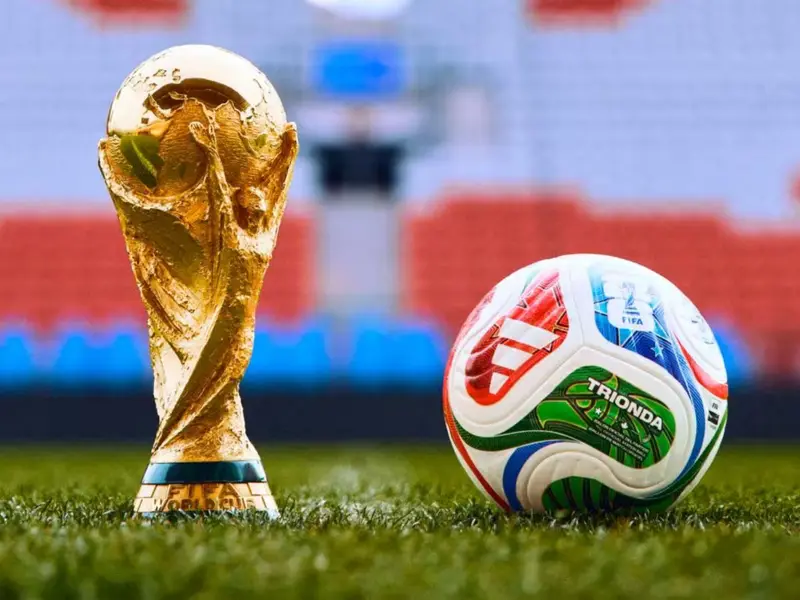
With fewer than 100 days to go before the FIFA World Cup 2026 kicks off, a seemingly alarming development has surfaced in one of the host cities: Philadelphia. FIFA has canceled roughly 2,000 hotel room reservations, prompting questions about planning, demand, and the broader logistics of staging the biggest tournament in football history.
At first glance, the move might suggest trouble. In reality, it reveals something more nuanced about how mega-events are organized—and how cities prepare for them.
What Happened With FIFA World Cup 2026 Hotel Bookings?
FIFA initially reserved close to 10,000 hotel rooms in Philadelphia to support tournament operations. These rooms were intended for:
- Match officials
- Technical staff
- Broadcast crews
- Event organizers and support personnel
As planning has become more precise, FIFA has released about 2,000 of those rooms back into the market.
This means roughly 20% of the initial block is no longer needed—at least by FIFA.
Why Did FIFA Cancel Hotel Rooms in Philadelphia?
It’s Standard Practice, Not a Crisis
Large-scale events like the FIFA World Cup 2026 often rely on overbooking early in the planning phase. This ensures there’s no shortage of accommodations once operational needs are finalized.
As the event approaches, organizers refine:
- Staffing numbers
- Match schedules
- Technical requirements
- Security arrangements
Once those details are locked in, excess reservations are canceled.
In simple terms: FIFA booked high to avoid risk, then scaled back once it had clarity.
A Controlled Adjustment, Not a Last-Minute Cut
Importantly, these cancellations were made within contractual agreements, meaning:
- No penalties for FIFA
- Hotels were aware of potential adjustments
- The system worked as intended
For context, similar booking adjustments happen during events like the Olympics, Super Bowl, and political conventions.
What Does This Mean for Philadelphia Hotels?
Short-Term Disappointment, Long-Term Opportunity
Hotels in Philadelphia—particularly in Center City—were among those affected. Losing guaranteed bookings can feel like a setback, especially for large properties that rely on bulk reservations.
But there’s a flip side.
These newly available rooms can now be sold to:
- International fans
- Traveling supporters
- Corporate sponsors
- Media not directly managed by FIFA
And often, these bookings come at higher market rates.
Why Fans Could Benefit
For fans planning to attend matches in Philadelphia, this development could actually improve access.
Instead of facing a completely sold-out city, travelers may now find:
- More room availability
- Competitive pricing (depending on demand)
- Greater flexibility in booking dates
How Does This Fit Into FIFA World Cup 2026 Planning?
The Largest World Cup Ever
The FIFA World Cup 2026 is set to be the biggest in history:
- 48 teams (up from 32)
- 104 matches
- Hosted across three countries: the United States, Canada, and Mexico
This scale dramatically increases logistical complexity, especially for accommodation planning.
Why Hotel Strategy Matters
Accommodation is one of the most critical components of event logistics. Organizers must balance:
- Guaranteed availability for operations
- Flexibility for changing needs
- Economic impact on host cities
Overbooking early and trimming later is a risk-management strategy.
Think of it as reserving extra seats on a flight to ensure no one gets left behind, then releasing unused seats once passenger lists are finalized.
Which U.S. Cities Are Hosting FIFA World Cup 2026 Matches?
Philadelphia is just one of several U.S. host cities. Matches will take place across 11 American locations, including:
- Los Angeles
- New York/New Jersey
- Dallas
- Miami
- Atlanta
- Seattle
- San Francisco Bay Area
- Boston
- Houston
- Kansas City
The tournament officially begins on June 11, 2026, with the U.S. hosting its first match on June 12 in Los Angeles.
Are There Bigger Concerns Around FIFA World Cup 2026 Planning?
Funding and Infrastructure Questions
Philadelphia’s hotel situation comes alongside broader concerns in some U.S. host cities regarding:
- Budget constraints
- Infrastructure readiness
- Public funding debates
While the hotel adjustment itself isn’t a red flag, it exists within a larger conversation about how cities are preparing for the tournament.
The Balancing Act for Host Cities
Cities must manage:
- Tourism expectations
- Local economic impact
- Resident concerns (traffic, pricing, security)
Releasing hotel inventory back into the market can actually help balance supply and demand—preventing extreme price inflation and improving visitor experience.
What Should Fans Know Right Now?
If you’re planning to attend FIFA World Cup 2026 matches in Philadelphia or other U.S. cities, here’s what this means:
Booking Strategy Tips
- Monitor hotel prices regularly — rates may fluctuate as demand builds
- Book early but stay flexible — cancellation policies matter
- Consider nearby cities — especially for high-demand matches
Expect High Demand Regardless
Even with 2,000 rooms released, demand will remain strong. The World Cup consistently draws millions of visitors, and 2026 will likely set records.
Why This Story Matters
At its core, this isn’t just about hotel rooms. It’s about how mega-events are planned—and how small adjustments can be misinterpreted.
FIFA’s decision highlights:
- The complexity of organizing global tournaments
- The importance of flexible planning
- The economic ripple effects on host cities
For Philadelphia, the story isn’t about loss—it’s about transition. The rooms aren’t empty; they’re simply shifting from organizational use to public availability.
TL;DR
- FIFA canceled about 2,000 hotel rooms in Philadelphia ahead of the FIFA World Cup 2026
- The move is standard practice after initial overbooking
- Hotels may lose guaranteed bookings but gain opportunities from fan demand
- Fans could benefit from increased availability
- The decision reflects normal large-event logistics, not planning issues