
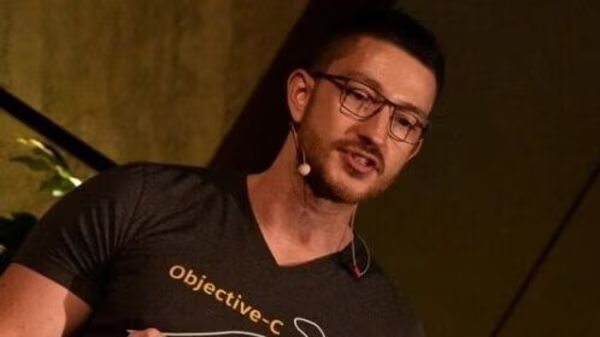
A brief but telling clash between a major AI company and an independent developer has raised fresh questions about platform control, developer access, and the future of third-party AI tools. Anthropic temporarily suspended Peter Steinberger, the creator of OpenClaw, from accessing its AI model Claude before quickly restoring his account.
Here’s a clear breakdown of what happened, what it signals, and why it’s bigger than just one suspension.
What Triggered the Suspension?
According to Steinberger, his access to Claude was abruptly revoked after Anthropic detected what it described as “suspicious signals” tied to his account.
What the Email Said
Anthropic’s notice stated that:
- An internal investigation flagged unusual activity
- The activity was considered a violation of its usage policy
- Access to Claude was revoked as a result
This kind of enforcement isn’t unusual for AI companies, which closely monitor usage patterns to prevent abuse, system strain, or policy violations.
However, what stands out is the speed of both the suspension and the reversal.
Why Was the Ban Lifted So Quickly?
Within hours, Steinberger announced that his access had been restored. He publicly thanked supporters, suggesting that the issue may not have been severe—or that it was resolved after internal review.
What This Suggests
- The suspension may have been automated rather than manually enforced
- Anthropic could have reassessed the risk level quickly
- The flagged behavior might have fallen into a gray area of policy
Short-lived bans like this often point to detection systems erring on the side of caution.
Steinberger’s Theory: A Feature Experiment Gone Wrong
Steinberger hinted that the issue may have been tied to his work on a specific feature involving Claude.
The “Fallback Feature” Angle
He mentioned trying to implement a:
- “Claude -p fallback feature”
- Previously identified as a classifier bug, not intended behavior
In simple terms, he may have been experimenting with how Claude responds under certain conditions—potentially triggering safeguards designed to detect misuse.
Even though he believed the issue was technical, not malicious, continued testing could have appeared suspicious to Anthropic’s systems.
The Bigger Context: Anthropic’s Policy Shift
This incident didn’t happen in isolation. Just days earlier, Anthropic announced a major policy change:
- It would block third-party AI agent platforms from using Claude
- Platforms like OpenClaw were explicitly affected
- The reason cited: excessive infrastructure strain
Why This Matters
Third-party tools often:
- Automate large volumes of requests
- Push AI systems beyond typical usage patterns
- Increase operational costs for AI providers
From Anthropic’s perspective, restricting such platforms is about maintaining performance and sustainability.
From the developers’ perspective, it feels like losing access to critical infrastructure.
What Is OpenClaw and Why Is It Important?
OpenClaw is part of a growing ecosystem of AI agent platforms—tools that:
- Automate workflows using AI models
- Chain multiple AI actions together
- Enable more advanced use cases than simple chat interfaces
These platforms represent the next phase of AI usage, where models like Claude are not just tools—but building blocks.
A Tension Between Innovation and Control
This situation highlights a broader tension in the AI industry.
On One Side: AI Companies
Companies like Anthropic need to:
- Protect infrastructure from overload
- Enforce usage policies
- Prevent misuse or unintended behavior
On the Other Side: Developers
Builders like Peter Steinberger aim to:
- Push AI capabilities further
- Experiment with new features
- Build scalable tools on top of existing models
The friction arises when experimentation starts to resemble misuse—at least from an automated monitoring system’s perspective.
Why This Incident Matters Beyond One Account
At first glance, this looks like a minor technical hiccup. But it signals something deeper.
Key Takeaways
- AI platforms are tightening control over how their models are used
- Third-party tools face increasing restrictions
- Automated enforcement systems can impact even legitimate developers
- The balance between openness and control is shifting
What Happens Next?
Steinberger has continued working on OpenClaw despite the temporary ban, actively seeking user feedback and improving the platform.
But the broader question remains:
Will AI companies continue to restrict access—or find ways to support developers without overloading their systems?
TL;DR
- Anthropic temporarily banned OpenClaw founder Peter Steinberger from Claude
- The suspension was due to “suspicious activity” but was quickly reversed
- Steinberger believes a feature experiment may have triggered the ban
- Anthropic recently blocked third-party AI agent platforms like OpenClaw
- The incident reflects growing tension between AI providers and developers
Final Take
This wasn’t just a temporary account issue—it’s a snapshot of where the AI industry is headed.
As models like Claude become more powerful, the companies behind them are tightening control. At the same time, developers are building increasingly ambitious tools that depend on open access.
Something has to give—or evolve