
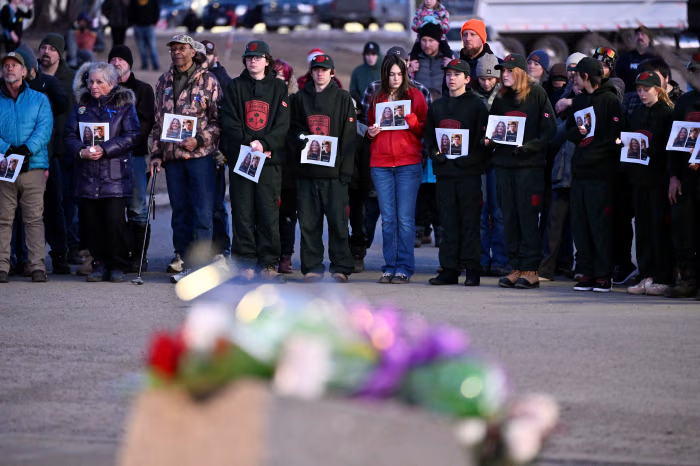
The legal battle between the Canadian province of British Columbia and OpenAI may become one of the most consequential technology lawsuits of the AI era. At the center of the case is the February 2026 mass shooting in Tumbler Ridge, where eight people were killed. The province alleges that OpenAI had access to warning signs through a user’s interactions with ChatGPT but failed to notify law enforcement before the attack.
The lawsuit is not simply about one tragedy. It asks a much larger question: When an AI company identifies conversations that appear to signal imminent violence, does it have a legal duty to act?
What happened in the Tumbler Ridge shooting?
According to authorities, the February 10 attack unfolded across multiple locations in the small community of Tumbler Ridge, British Columbia.
Investigators allege that the suspect first killed family members at home before carrying out a shooting at a local secondary school, killing students and a school employee before dying at the scene.
Because the alleged shooter is deceased, there will be no criminal trial. Instead, much of the legal focus has shifted toward institutions that may have had opportunities to intervene.
Why is British Columbia suing OpenAI?
The lawsuit centers on one allegation: that OpenAI possessed information suggesting a serious risk but failed to alert authorities.
The province’s claims
British Columbia alleges that:
- OpenAI’s safety systems flagged violent ChatGPT conversations months before the shooting.
- An account allegedly linked to the suspect had already been banned in 2025.
- Company leadership chose not to notify law enforcement despite internal concerns.
- That decision may have eliminated an opportunity to prevent the attack.
The province says it intends to seek damages, including the cost of replacing the destroyed school and other public expenses associated with the tragedy.
It is important to note that these allegations will need to be tested in court, and OpenAI will have an opportunity to respond.
What has OpenAI said?
Sam Altman publicly expressed regret following the shooting.
According to reports, Altman acknowledged that the company did not notify law enforcement regarding the banned account and said OpenAI has since strengthened its reporting procedures.
The company also stated that under policies adopted after mid-2025, the account involved would now be reported to authorities.
OpenAI has repeatedly emphasized that its systems are designed to prohibit assistance with violence and that it maintains a zero-tolerance policy for harmful use of its technology.
What makes this lawsuit different?
Many lawsuits involving AI focus on:
- Copyright
- Privacy
- Defamation
- Consumer protection
This case is fundamentally different.
Instead of asking whether AI generated harmful content, it asks whether an AI company had a duty to warn once it believed a user could present a genuine public safety risk.
That distinction could make this one of the first major legal tests of an AI company’s responsibilities beyond its platform.
What legal questions will the court have to answer?
The lawsuit raises several difficult legal issues.
Did OpenAI owe a duty of care?
The court may need to determine whether AI companies have obligations similar to:
- Healthcare professionals
- Schools
- Social media companies
- Other organizations that sometimes face “duty to warn” questions
Existing law offers limited guidance because conversational AI is still relatively new.
Could the shooting have been prevented?
Another major hurdle involves causation.
British Columbia will likely need to demonstrate:
- The warning signs were sufficiently specific.
- Reporting them could reasonably have prevented the attack.
- The alleged failure directly contributed to the outcome.
Legal experts have suggested this may become the most difficult part of the case.
Simply proving that warning signs existed may not be enough. The province must establish a clear connection between OpenAI’s actions—or inaction—and the tragedy.
Why reporting violent AI conversations is complicated
At first glance, reporting dangerous conversations may seem straightforward.
In practice, it is anything but.
The challenge of false positives
Millions of people use AI systems every day.
Some conversations involving violence are:
- Fiction writing
- Academic research
- Criminal justice studies
- Journalism
- Mental health discussions
If companies reported every violent prompt, law enforcement could quickly become overwhelmed.
The challenge of false negatives
On the other hand:
- Missing one genuine threat could have catastrophic consequences.
- Companies face criticism if they fail to act after warning signs emerge.
This balancing act lies at the heart of the lawsuit.
Could this change AI regulation worldwide?
Potentially, yes.
If British Columbia succeeds—or even if the court establishes new legal principles—the case could influence policymakers far beyond Canada.
Possible consequences include:
- Mandatory reporting requirements for AI providers.
- Clear legal standards for identifying imminent threats.
- Expanded transparency obligations.
- Independent audits of AI safety systems.
Governments in North America, Europe, and Asia are already considering broader AI safety legislation, making this case especially significant.
How does this compare to other technology lawsuits?
The lawsuit echoes earlier attempts to define corporate responsibility for emerging technologies.
Examples include:
- Litigation against tobacco companies over public health.
- Lawsuits involving opioid manufacturers.
- Cases examining social media companies’ role in harmful content.
In each instance, courts had to decide whether companies should bear responsibility for harms linked to their products.
The OpenAI case asks a similar—but technologically distinct—question.
What happens next?
Several proceedings are expected to shape the case.
Upcoming developments
- British Columbia will formally file its lawsuit.
- OpenAI is expected to respond in court.
- Civil lawsuits filed by victims’ families will continue separately.
- A coroner’s inquest will examine the circumstances surrounding the shooting.
Because there will be no criminal prosecution of the alleged shooter, these proceedings are likely to become the primary public examination of what happened before the attack.
Why this case matters beyond OpenAI
The outcome could establish expectations for every major AI developer.
Future questions may include:
- When should AI providers contact law enforcement?
- How should companies balance user privacy against public safety?
- Who decides whether a conversation represents a credible threat?
- Should AI companies become active participants in threat prevention?
The answers will influence not only OpenAI but the broader AI industry as governments continue developing regulatory frameworks.
TL;DR
- British Columbia plans to sue OpenAI over the February 2026 Tumbler Ridge mass shooting.
- The province alleges OpenAI failed to report violent ChatGPT conversations despite internal safety concerns.
- OpenAI has acknowledged it did not contact law enforcement and says its reporting policies have since changed.
- The lawsuit could become one of the first major legal tests of whether AI companies have a duty to warn authorities about credible threats.
- Its outcome may shape future AI regulation, safety policies, and corporate liability worldwide.