
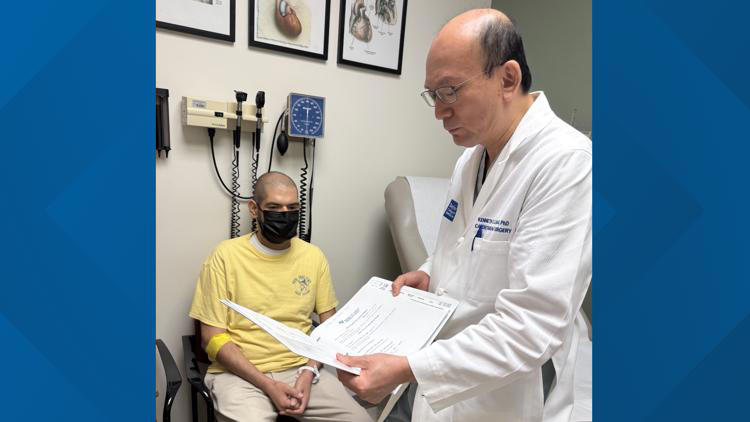
Surgeons at Baylor St. Luke’s Medical Center in Houston have made medical history by performing the first fully robotic heart transplant in the United States. The groundbreaking procedure, led by Dr. Kenneth Liao, marks a major leap forward in minimally invasive cardiac surgery—offering patients faster recovery times and fewer complications.
How Does a Robotic Heart Transplant Work?
Unlike traditional heart transplants, which require surgeons to open the chest and split the breastbone, this robotic approach uses small incisions to remove the diseased heart and implant the donor heart. The surgical team controlled the robot’s precision instruments, avoiding the need for a large chest incision.
Key Advantages of Robotic Heart Surgery
- Less invasive: No sternotomy (breaking the breastbone) means reduced pain and scarring.
- Faster recovery: Patients regain mobility sooner, crucial for transplant recipients on immunosuppressants.
- Lower infection risk: Smaller incisions decrease exposure to pathogens.
- Reduced bleeding: Avoiding bone cuts minimizes blood loss and the need for transfusions.
“Opening the chest can delay healing, especially for transplant patients on immunosuppressants,” Dr. Liao explained. “The robotic method preserves the chest wall, improving respiratory function and overall recovery.”
Why This Breakthrough Matters
Heart transplants are among the most complex surgeries, with patients facing lengthy recoveries. The robotic approach could revolutionize the field by:
- Shortening hospital stays (the patient was discharged in just a month).
- Decreasing rejection risks (fewer blood transfusions mean lower antibody development).
- Expanding access to patients who might not tolerate traditional open-heart surgery.
“This represents a giant step forward in making complex surgeries safer,” said Dr. Todd Rosengart, chair of Baylor’s Department of Surgery.
The Patient’s Story
The recipient, a 45-year-old man, had been hospitalized since November 2024 with advanced heart failure, relying on mechanical support devices. After the March 2025 transplant, he recovered without complications—a testament to the procedure’s potential.
“Innovation and surgical expertise came together to improve patient care,” Dr. Liao noted. “Our goal is always the safest, least invasive option.”
What’s Next for Robotic Transplants?
While still in its early stages, robotic-assisted surgery could soon become more common for:
- Other organ transplants (kidney, liver).
- High-risk cardiac patients who need gentler interventions.
Final Thoughts
This milestone isn’t just about technology—it’s about better outcomes for patients. As robotic surgery evolves, it could make life-saving transplants safer, faster, and more accessible for thousands.