
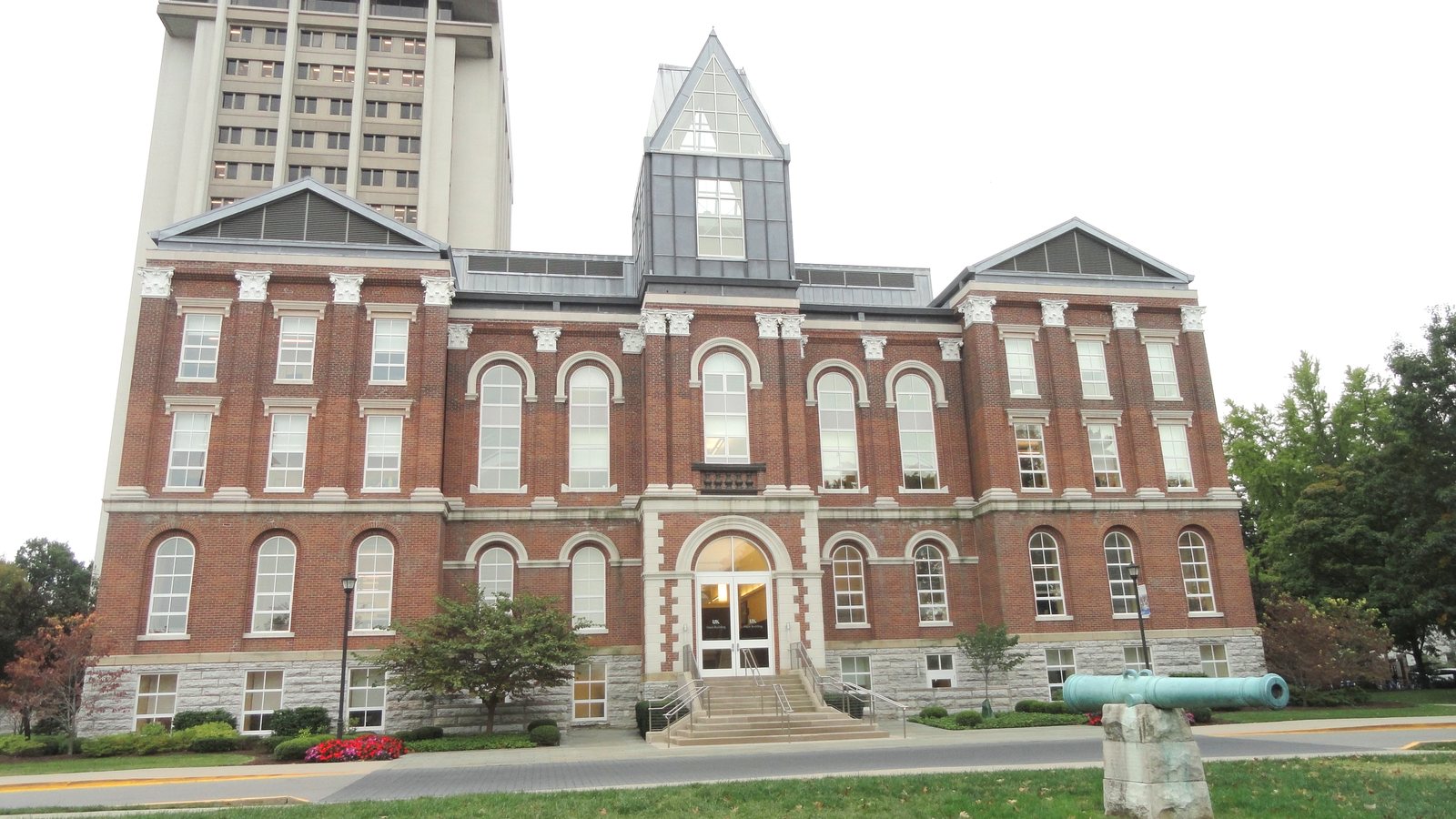

A University of Kentucky administrator has won a religious exemption from AI tools at work, and he doesn’t believe in God. David Durman, 45, is a humanist.
On Sept. 25 the university approved his request under Title VII of the Civil Rights Act, Fortune reported on Friday. He no longer has to use artificial intelligence himself on the job.
The case matters well beyond one campus. More US employers now expect staff to use AI. Durman’s exemption shows that a federal law written in 1964 can give some workers a way out, and how narrow that way out is.
Why a humanist objected to AI
Humanism is a nontheistic belief system. Durman told Fortune he has followed it for about 30 years, since reading David Hume and the Stoics as a teenager. He turns off Gemini in Google searches and disables as many AI features in his personal life as he can.
He objected when the university began asking employees to bring AI into their daily work. Religion News Service first reported the case on Oct. 26.
Thinking through ethical situations “is a key component in being able to develop myself as a moral person,” he told RNS. Handing that work to a machine “is undercutting my ability to be a moral actor,” he said, according to Mediaite’s summary of the RNS report.
His written request put it in the language of his beliefs. Personal AI use, he wrote, “directly conflicts with my obligation to uphold human dignity and flourishing as primary.”
How the University of Kentucky said yes
Durman went to the American Humanist Association for help. Its staff attorney, Alexandria Huiskens, represented him.
He filed the accommodation request in August, according to Fortune. The university then met with Durman and his lawyer, and the talk focused on whether his views were sincere.
The university’s Office of Equal Opportunity granted the request on Sept. 25. It found that accommodating him would not cause an “undue hardship,” Fortune reported.
No court was involved, FindLaw’s legal analysis notes. The university has not published its decision.
Huiskens called it “the first of its kind at the AHA and for humanism generally,” Mediaite reported. She told Fortune two things helped Durman’s case: his decades of practice, and the fact that he avoids AI in his private life too.
What the exemption does and doesn’t cover
The accommodation is personal and limited. According to FindLaw, Durman doesn’t have to use AI tools such as ChatGPT or Microsoft’s Copilot himself. He still has to attend meetings where AI is used and submit work through platforms that have AI built in.
Nothing changes for his coworkers. The exemption “doesn’t apply to other employees,” Durman told Fortune. He said he isn’t trying to change how anyone else works.
That limit is what made the request workable. An administrator who drafts his own documents costs the university little. The same request could look very different where AI use is the job itself.
Why Title VII can cover a belief without God
Title VII covers employers with 15 or more workers. They must accommodate an employee’s sincerely held religious beliefs unless that would cause undue hardship. The law’s idea of religion is wider than many people assume.
The Equal Employment Opportunity Commission’s guidance on religious discrimination calls religion “very broadly defined.” It doesn’t require belief in a god. It covers moral or ethical beliefs about right and wrong held “with the strength of traditional religious views.”
The same guidance draws a hard line on the other side. “Social, political, or economic philosophies, as well as mere personal preferences, are not religious beliefs” under the law. A worker who simply dislikes chatbots, or thinks AI is bad for jobs, wouldn’t qualify on that basis alone.
Employers also have less room to say no than they once did. The Supreme Court decided Groff v. DeJoy on June 29, 2023. An employer that denies a religious accommodation must now show it “would result in substantial increased costs in relation to the conduct of its particular business.” Before that, many courts let employers refuse over any cost that was more than trivial.
A second AI exemption this year
Durman isn’t the first worker to win one. Erin Maus is a North Carolina software developer and a Unitarian Universalist. In May her company granted her a religious exemption from using AI, Business Insider reported, according to InfoWorld. She cited Pope Leo XIV’s encyclical on AI.
“I’m writing my code and reviewing my code by hand, which seems crazy to say,” she told Business Insider. Durman told Fortune her case inspired his.
Both requests came as AI became routine at work. As of May 2026, 52% of US employees used AI on the job at least a few times a year, Fortune reported, citing Gallup. In 2023 it was 21%.
Shopify CEO Tobi Lütke has called AI use a baseline expectation. The push comes as companies spend heavily on the technology, as our explainer on the AI bubble details.
Big employers are reshaping their workforces too, as Microsoft’s buyout offer to 60,000 workers showed this week.
Who else could ask, and what decides it
Neither case set a legal precedent. Both were voluntary decisions by employers, not court rulings. Another employer facing the same request could reach a different answer.
Huiskens told Fortune that success for other workers depends on their beliefs and on the effect on their employer. She also said many humanists “don’t realize that they can approach their employer with this kind of exemption or accommodation.”
Put together, the two cases suggest what an employer will weigh. The first question is where the objection comes from. Durman’s grew out of a belief system he has lived by for 30 years, not a preference that appeared when an AI mandate did.
The second is whether the job can still get done without AI, and at what cost. These two exemptions show it can work for a developer and an administrator. Neither answers what happens when a worker’s core duties run through an AI system.
The University of Kentucky hasn’t made its reasoning public beyond the finding of no undue hardship. The next test will come when an employer says no and a worker takes an AI objection to the EEOC or a court.