
Khaby Lame, the world’s most-followed TikTok creator, has signed a landmark artificial intelligence licensing deal valued at $975 million, authorizing the creation of a digital twin based on his face, voice, and on-screen behavior. The agreement places one of social media’s most recognizable personalities at the center of a fast-growing debate over AI, identity, and the future of creator-led businesses.
The all-stock deal with Rich Sparkle Holdings is being described as one of the largest personal brand licensing agreements in the influencer economy to date. It signals how rapidly AI technology is reshaping how creators monetize their fame, extending their presence far beyond what a human schedule allows.
What is Khaby Lame’s $975 million AI deal?
Under the agreement, Rich Sparkle Holdings has been granted rights to use Khaby Lame’s personal brand, likeness, and behavioral data to build an AI-powered digital replica.
Key terms of the deal
According to company disclosures, the partnership allows Rich Sparkle to:
- Replicate Lame’s facial features and expressions
- Model his voice patterns and timing
- Recreate his signature gestures and mannerisms
- Generate multilingual content using AI
The company said the digital twin will be used across advertising, entertainment, and virtual appearances. Rich Sparkle projects that the partnership could generate more than $4 billion in annual revenue once fully operational, though those estimates will need to be independently verified.
Why is this deal significant for the influencer economy?
The $975 million valuation places the agreement among the biggest personal brand licensing deals ever signed by a social media creator.
A shift from content to intellectual property
Traditionally, influencers earn money through:
- Brand sponsorships
- Platform ad revenue
- Merchandise and appearances
This deal represents a different model. Instead of producing content himself, Lame is licensing his identity as intellectual property. His AI counterpart can work continuously, appear in multiple markets at once, and scale without the physical limits of a human creator.
For the broader creator economy, the message is clear: influence itself is becoming a licensable asset, much like music catalogs or film rights.
Who is Khaby Lame, and why is he so valuable?
Khaby Lame’s rise to global fame is one of the most unlikely success stories of the social media era.
From factory job to global stardom
Lame, now 24, began posting on TikTok in 2020 after losing his factory job in Italy during the COVID-19 pandemic. His videos stood out for what they lacked.
- No dialogue
- No text explanations
- No complex editing
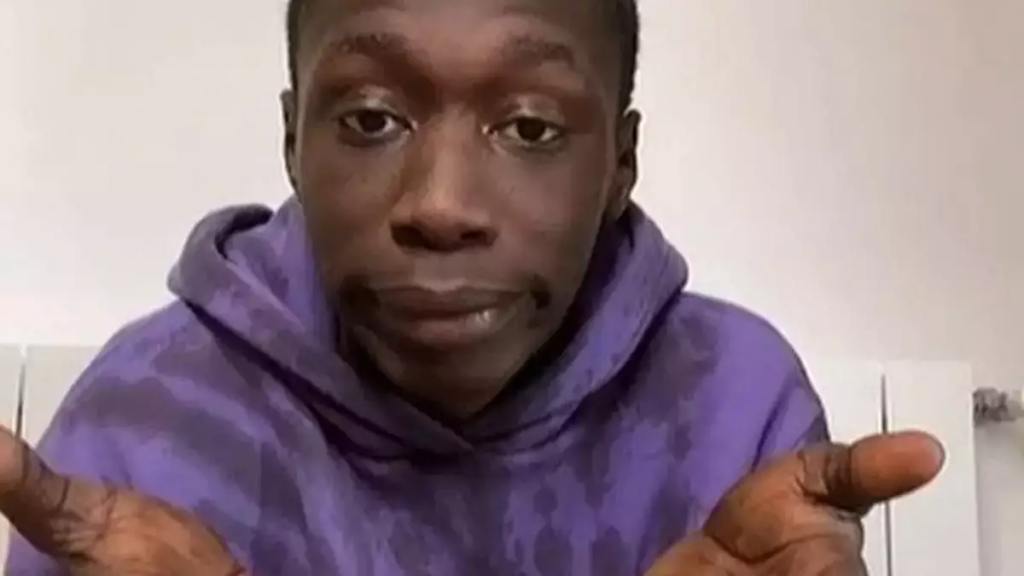
Instead, he silently reacted to absurdly complicated life hacks, punctuating each clip with a deadpan stare and an open-palmed gesture that became instantly iconic.
That simplicity allowed his content to cross language and cultural barriers. Today, he has more than 350 million followers across platforms, making him one of the most recognizable digital personalities in the world.
What does it mean to license a face, voice, and behavior to AI?
At the core of the deal is the creation of what Rich Sparkle calls a digital twin.
How the digital twin will work
The AI version of Khaby Lame is designed to:
- Mimic his facial expressions and body language
- Replicate his vocal rhythm and tone
- Reproduce his timing and on-screen presence
This synthetic version could appear in virtual livestreams, branded videos, and localized campaigns without Lame being physically present. In theory, his digital double could post content simultaneously in dozens of countries, in multiple languages, around the clock.
Why brands are betting big on AI-powered creators
For advertisers and platforms, AI creators offer clear advantages.
The appeal for companies
AI-driven digital influencers can:
- Operate 24/7 without fatigue
- Be instantly localized for different markets
- Avoid scheduling conflicts or travel costs
- Maintain consistent brand messaging
For a creator like Khaby Lame, whose appeal is rooted in visual humor and body language rather than speech, the transition to AI replication may be easier than for creators whose value depends heavily on personal storytelling or live interaction.
What are the risks and ethical questions?
While the deal highlights opportunity, it also raises unresolved questions.
Concerns around identity and control
Key issues include:
- Who controls the digital twin’s future use?
- How long does consent last if technology evolves?
- What happens if the AI version behaves in ways that harm the creator’s reputation?
There are also broader concerns about labor displacement. If AI versions of top creators become mainstream, smaller creators and human production teams may find it harder to compete.
How this deal could reshape creator-platform relationships
The Khaby Lame agreement may become a blueprint for future contracts.
A new power dynamic
Instead of relying solely on platforms like TikTok or Instagram, creators may increasingly:
- License their likeness directly to AI firms
- Build parallel revenue streams independent of algorithms
- Treat their identity as a long-term asset
For platforms, this could mean competing not just for attention, but for access to the AI rights of top creators.
What happens next?
Rich Sparkle Holdings has not shared a public launch timeline for Khaby Lame’s digital twin. Industry analysts expect early deployments to focus on advertising and branded content before expanding into virtual events and interactive formats.
Whether audiences will embrace AI-generated versions of their favorite creators remains an open question. The success or failure of this project could influence how quickly similar deals follow.
TL;DR
- Khaby Lame signed a $975 million all-stock AI licensing deal
- The agreement allows the creation of a digital twin using his face, voice, and behavior
- Rich Sparkle projects a multibillion-dollar annual revenue from the partnership
- The deal marks a major shift in how influencers monetize their identity
- It also raises ethical questions about AI, consent, and creative labor