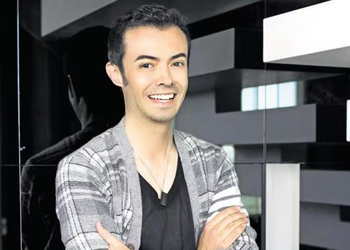
AI-generated models aren’t just digital puppets anymore. They’re showing up in your feed, landing major brand deals, and pulling more engagement than most real creators. The crazy part? They don’t even exist.
These virtual personalities, built with a mix of CGI, AI scripts, and marketing playbooks, are changing how influence works online. Here’s how.
What Are AI Instagram Models?
They’re not filters. They’re fully fabricated personas made with 3D modeling, motion capture, and AI-generated voices, captions, and content calendars. Think of them as the influencer version of a deepfake—but on purpose, and for profit.
Most of them are run by creative studios or startups. A few are powered by AI from end to end, meaning no human is manually posting or replying. Once trained, they just… go.
Why Brands Are Obsessed With Virtual Instagram Models
Here’s the thing—unlike humans, AI Generated Instagram Models don’t get tired, don’t start drama, and never ghost their sponsors.
The real draw:
- You control every pixel of the brand image
- No risk of PR scandals
- Works 24/7 across time zones
- Long-term cost is lower than a human creator
- Custom-built for specific niches (beauty, gaming, fashion, etc.)
Some startups are even building white-label AI influencer platforms, where brands can “rent” a virtual face with a backstory, voice, and content engine baked in.
How Are AI Models Created?
AI Instagram models are created using a combination of 3D modeling, motion capture, and artificial intelligence. CGI artists build the model’s face and body, while motion capture ensures lifelike movement. AI tools generate captions, respond to comments, and manage posting schedules. Some use text-to-image or video models (like Midjourney or Sora) and voice cloning tools (like ElevenLabs). The most advanced models run fully autonomously using machine learning to adapt and grow their digital persona over time.
Let’s break it down.
Most use a combination of:
- 3D modeling tools to create hyper-realistic visuals
- Motion capture tech for smooth, human-like movement
- AI captioning engines to write posts and replies
- Machine learning to improve with audience interactions
Companies like AvatarOS claim they can build a fully animated influencer from a single camera scan, body, face, and all. With tools like Midjourney, ElevenLabs, and Gen-2 AI, building a believable digital human is easier than ever.
Top 10 AI-Generated Instagram Models (2025)
These are the most-followed, most-hyped digital / AI-generated Instagram models dominating Social Media.
| Influencer | Followers | Country | Niche | Brand Collabs |
|---|---|---|---|---|
| Lu do Magalu | 7.3M+ | Brazil | Retail, Beauty | Magazine Luiza, Samsung |
| Lil Miquela | 2.5M+ | USA | Fashion | Prada, Calvin Klein |
| Aitana López | 338K+ | Spain | Lifestyle | Custom agency campaigns |
| Shudu | 240K+ | UK | Fashion | Fenty Beauty, Balmain |
| Noonoouri | 425K+ | Germany | Fashion, Advocacy | Dior, Versace |
| Imma | 400K+ | Japan | Culture | IKEA, Valentino |
| Leya Love | 200K+ | Global | Wellness | Activism-centric posts |
| Kyra | 200K+ | India | Lifestyle | Fashion-forward content |
| Bermuda | 250K+ | USA | Music/Drama | Controversial campaigns |
| Rozy Oh | 150K+ | Korea | Finance/Tech | Shinhan Bank |
Why Are Brands Betting Big on Virtual Influencers?
Because AI models don’t ghost, go rogue, or get cancelled.
Key reasons brands love them:
- 24/7 availability across time zones
- Total creative control—no reshoots, no bad angles
- Zero legal drama
- Lower cost over time
- Safe for risk-sensitive industries (fashion, finance, beauty)
Startups like AvatarOS are developing tools that enable companies to train their own AI Generated Instagram Models. These aren’t gimmicks—they’re part of the new creator economy.
1. Samsung x Lil Miquela
Samsung used Lil Miquela in a global campaign that generated 126 million views and a 12% increase in Instagram mentions. No reshoots, no jetlag.
2. IKEA x Imma
IKEA Japan used Imma in a Tokyo subway campaign. Result: 110K daily impressions, zero influencer management headaches.
The Tech Behind the Trend
So, how do these AI-generated Instagram models work?
Most use a combination of:
CGI modelling to build the body and facial expressions
Motion capture for realistic movement
AI-powered content engines that help generate captions, comments, and even DMs
Machine learning to respond and evolve with audience interactions
Companies like AvatarOS claim to create highly expressive avatars from just a few camera scans—think hyper-realistic models that can be fully animated and managed in real-time.
It’s the influencer version of ChatGPT with a jawline and perfect lighting.
Do They Actually Work?
Absolutely. These AI models are pulling real numbers.
- Lil Miquela’s Calvin Klein campaign: 13% engagement rate
- Imma’s IKEA Japan collab: 1M+ impressions
- Lu do Magalu: Brazil’s most followed digital spokesperson
According to Statista, over 47% of marketers say they’ll be working with virtual influencers by 2026.
But Is It Ethical?
This is where things get messy.
- Disclosure: Not all AI Generated Instagram Models are clearly labeled.
- Representation: Many are modeled on Western beauty ideals.
- Accountability: If an AI says something offensive, who’s responsible?
- Manipulation: Some models are used for political messaging or adult content, without human oversight.
A Stanford study found people form emotional connections with AI personas just like they do with humans. That has major implications for mental health, advertising ethics, and digital literacy.
Why It Matters
This isn’t a gimmick. It’s the future of digital influence. Platforms like Instagram and Meta are already testing native AI characters—complete with bios, backstories, and post schedules.
Meanwhile, startups are selling plug-and-play influencers you can license like stock photos. Some are even building tools that let you train your own AI influencer using your voice, face, and writing style.
What this really means is: anyone can now create influence at scale—without ever being in front of the camera.
Final Thought
AI-generated influencers aren’t coming—they’re already here. And they’re already outperforming human creators in some corners of the internet.
What’s wild is that you might’ve liked, commented, or shared their content… without even knowing it wasn’t real.