

TL;DR
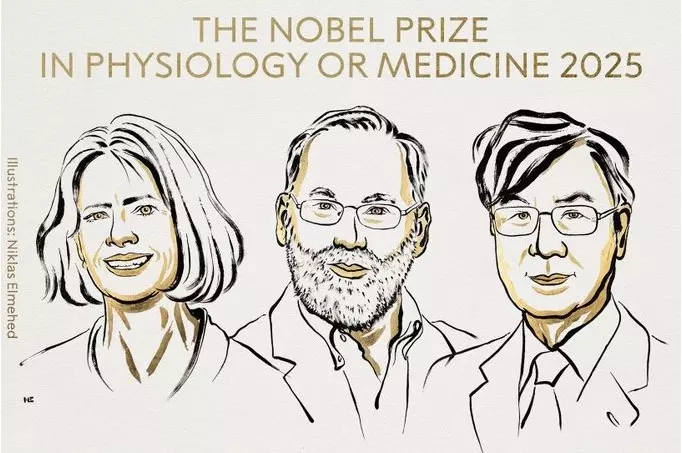
The 2025 Nobel Prize in Physiology or Medicine has been awarded to Mary Brunkow, Fred Ramsdell, and Shimon Sakaguchi for their pioneering discoveries on peripheral immune tolerance. Their work reshaped our understanding of the immune system and paved the way for new treatments for autoimmune diseases and cancer.
What is peripheral immune tolerance?
Peripheral immune tolerance refers to the body’s mechanism for preventing the immune system from attacking its own cells after immune cells have matured and left the thymus. In essence, it’s how the body maintains peace between immune defense and self-tolerance.
When this system fails, the immune response can turn destructive—triggering autoimmune diseases such as type 1 diabetes, rheumatoid arthritis, or multiple sclerosis. The discoveries by Brunkow, Ramsdell, and Sakaguchi illuminated how this delicate balance is maintained, leading to major shifts in immunology and medical therapies.
Who are the Nobel Prize winners, and what did they discover?
Mary Brunkow and Fred Ramsdell
Brunkow and Ramsdell’s research identified a critical gene known as FOXP3, which encodes a protein essential for the development and function of regulatory T cells (Tregs). These Tregs suppress overactive immune responses and prevent autoimmunity.
Their discovery emerged from studies of rare immune disorders in both humans and mice, revealing that mutations in FOXP3 lead to catastrophic immune dysfunction.
Shimon Sakaguchi
Sakaguchi was among the first to identify regulatory T cells themselves in the 1990s—long before their genetic basis was understood. His pioneering work showed how these specialized cells act as the immune system’s “brakes,” ensuring that defense mechanisms don’t turn against the body’s own tissues.
Together, their combined insights created a comprehensive understanding of how the immune system distinguishes between self and non-self—a cornerstone concept in modern immunology.
Why their discoveries matter today
The implications of peripheral immune tolerance research extend far beyond theory. This foundational work is now being translated into real-world therapies.
- Cancer immunotherapy: By temporarily inhibiting Tregs, scientists aim to unleash the immune system to better attack tumors.
- Autoimmune diseases: In contrast, therapies that boost Treg activity can help suppress harmful immune attacks in conditions like lupus or Crohn’s disease.
- Organ transplantation: Modulating immune tolerance may improve graft acceptance without lifelong immunosuppression.
These dual applications—either activating or suppressing tolerance—make this field one of the most versatile in modern medicine.
The legacy of the Nobel Prize in Medicine
Since its inception in 1901, the Nobel Prize in Physiology or Medicine has honored breakthroughs that transformed healthcare. Past laureates include Alexander Fleming for penicillin, Francis Crick and James Watson for DNA’s structure, and Katalin Karikó and Drew Weissman for mRNA technology that enabled COVID-19 vaccines.
The 2025 award continues this legacy—recognizing work that bridges basic biology and life-saving applications. Like many transformative discoveries, this research unfolded over decades, underscoring how persistent inquiry drives medical revolutions.
How the Nobel selection process works
The Nobel Assembly at Sweden’s Karolinska Institute selects the winner each year after reviewing hundreds of nominations. The recipients receive a gold medal, a diploma, and a prize sum of 11 million Swedish crowns (around $1.2 million).
While most Nobel Prizes are awarded in Stockholm, the Peace Prize is uniquely presented in Oslo, Norway—reflecting Alfred Nobel’s wish to acknowledge both nations during their historical union.
The Medicine Prize traditionally opens Nobel Week, setting the tone for subsequent awards in physics, chemistry, literature, peace, and economics. The celebrations culminate in Stockholm and Oslo on December 10, the anniversary of Alfred Nobel’s death.
What this means for the future of immunology
The recognition of Brunkow, Ramsdell, and Sakaguchi signals a broader trend: the growing convergence of genetics, molecular biology, and clinical immunology.
- Personalized medicine: Future treatments could tailor immune modulation to each individual’s genetic profile.
- Autoimmune disease prevention: Early detection of tolerance breakdowns may prevent disease onset altogether.
- Next-generation cancer therapy: Combining checkpoint inhibitors with Treg modulation could make treatments more effective and less toxic.
This Nobel win doesn’t just celebrate past achievements—it points toward an era where understanding the immune system’s checks and balances could redefine medicine itself