
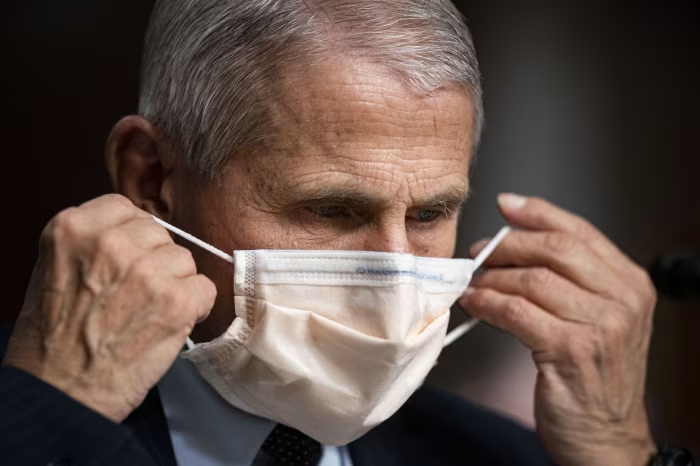
More than 1,100 pages of former White House Chief Medical Advisor Anthony Fauci’s private work diaries have entered the public spotlight, offering an unprecedented look into his thinking during the COVID-19 pandemic.
The records, spanning December 2019 through December 2022, were obtained through congressional oversight, subpoenas, and public records requests—not through Fauci’s voluntary release. Their publication comes just before Fauci is scheduled to testify before the Senate Homeland Security and Governmental Affairs Committee as lawmakers continue investigating the U.S. pandemic response and the origins of COVID-19.
The diaries have fueled fresh political debate, with Republicans arguing they expose inconsistencies between Fauci’s private views and public statements. Fauci’s supporters counter that isolated excerpts risk misrepresenting discussions that took place as scientific understanding of the virus evolved.
TL;DR
- More than 1,141 pages of Anthony Fauci’s work diaries from 2019 to 2022 have been made public through congressional investigations.
- The entries document Fauci’s evolving relationship with then-President Donald Trump, shifting from early praise to sharp criticism.
- The diaries include private discussions about COVID-19‘s origins, pandemic restrictions, and media attention surrounding Fauci.
- Republicans say the records raise questions about Fauci’s public messaging, while supporters argue the entries require broader scientific and historical context.
- The release comes ahead of Fauci’s congressional testimony on COVID-19 policy and virus origins.
Why Anthony Fauci’s Diaries Are Making Headlines
The documents offer a rare behind-the-scenes account of one of the most consequential public health crises in modern history.
Unlike a personal journal, the records largely consist of work-related notes documenting meetings, conversations, observations, and decisions made while Fauci served as Director of the National Institute of Allergy and Infectious Diseases (NIAID) and Chief Medical Advisor to the President.
Because they were created during his official duties, the records were obtained through legal oversight mechanisms rather than with Fauci’s consent.
How Fauci’s View of Donald Trump Changed During the Pandemic
One of the most discussed aspects of the diaries is Fauci’s changing assessment of then-President Donald Trump.
Early Entries Show Respect
Some of the earliest notes portray Trump in favorable terms.
According to released excerpts, Fauci described Trump as:
- “The smartest person in the world”
- “Really a famous guy”
The entries suggest their relationship was initially cordial during the early months of Trump’s presidency.
COVID-19 Marked a Turning Point
As the pandemic intensified, the tone changed significantly.
In a February 27, 2020, entry, Fauci wrote that he urged Trump not to minimize the seriousness of COVID-19, warning that doing so could ultimately hurt his reelection prospects if the outbreak worsened.
Later diary entries reportedly describe Trump as:
- “Rambling”
- “Getting out of control”
- “Desperate” about reelection
- “A true embarrassment”
- “Spewing nonsense”
One March 2021 entry also reportedly compared Trump’s post-election conduct to authoritarian behavior, language that has drawn significant political attention.
What the Diaries Say About White House Tensions
The documents also describe friction between Fauci and several senior administration officials.
According to the released excerpts, Fauci accused then-White House Chief of Staff Mark Meadows of:
- Threatening to reduce his television appearances
- Pressuring him to soften public health messaging
- Shouting at him during discussions
Fauci also wrote critically about Michael Caputo, then a spokesperson for the Department of Health and Human Services, using strong language to describe their interactions.
The entries illustrate the internal disagreements that accompanied the government’s public messaging during the pandemic.
What Do the Diaries Reveal About COVID-19’s Origins?
Perhaps the most politically sensitive sections concern discussions about where SARS-CoV-2 originated.
Early Scientific Uncertainty
A January 26, 2020, diary entry reportedly notes that:
- The Wuhan seafood market likely amplified the outbreak rather than serving as its original source.
- Fauci believed the virus had likely jumped naturally from animals to humans.
However, another entry from February 1, 2020, summarises a conference call with outside scientists during which multiple participants reportedly considered the possibility that a laboratory-related origin could not be ruled out.
The diaries indicate that scientists were actively debating competing hypotheses early in the pandemic while evidence remained limited.
Public Statements vs. Private Discussions
Critics argue these private discussions differ from Fauci’s later public messaging regarding the lab-leak hypothesis.
Supporters respond that exploring multiple scientific possibilities internally is a normal part of research and that public statements reflected the evidence available at different stages of the pandemic.
Importantly, the diary excerpts alone do not establish definitive conclusions about COVID-19’s origins, a question that remains the subject of ongoing scientific and intelligence assessments.
How Fauci Reflected on His Public Fame
The diaries also document Fauci’s rapid rise to international prominence.
In one March 2020 entry, he described a front-page profile in The Washington Post as “very flattering” and remarked that his level of public recognition had become “explosive.”
Other entries reference:
- Frequent television appearances
- Celebrity interactions
- “Fauci” merchandise
- Fan art
- Prayer candles
- Customized socks and other novelty items
The entries provide insight into how Fauci perceived his unexpectedly high public profile during one of the most closely watched public health crises in decades.
Did the Diaries Show Fauci Influencing COVID Restrictions?
Several entries suggest Fauci played an active advisory role as officials weighed pandemic restrictions.
One March 15, 2020, note reportedly states that Fauci advised then-New York City Mayor Bill de Blasio to:
- Close public schools
- Shut bars and restaurants
The diaries also reference conversations about estimated COVID-19 fatality rates during the pandemic’s early stages.
One entry reportedly notes discussions with former CDC Director Tom Frieden suggesting that the eventual case fatality rate might prove significantly lower than initial estimates.
Medical experts note that fatality estimates changed repeatedly during the pandemic as testing expanded and more epidemiological data became available.
How Were the Diaries Obtained?
The documents were released by Senator Rand Paul, chairman of the Senate Homeland Security and Governmental Affairs Committee.
According to the committee, the material was obtained through:
- Congressional oversight
- Subpoenas
- Public records requests
The release forms part of a broader investigation into:
- COVID-19 origins
- Gain-of-function research
- Federal pandemic decision-making
Because the records relate to Fauci’s official government duties, they may fall under federal recordkeeping requirements and congressional oversight authority.
Why the Release Is Politically Significant
The publication has reignited long-running political disputes over the U.S. pandemic response.
Critics Say the Diaries Raise New Questions
Republican lawmakers argue the entries reveal inconsistencies between Fauci’s internal discussions and his public communications.
They contend the documents warrant additional scrutiny during Fauci’s upcoming congressional testimony.
Supporters Urge Caution
Supporters argue the released excerpts should not be viewed in isolation.
They note that scientific understanding evolved rapidly between 2020 and 2022, meaning private debates among researchers should not be confused with established scientific conclusions.
Many scientists emphasize that reassessing hypotheses as new evidence emerges is a standard part of the scientific process.
What Happens Next?
Fauci is expected to testify before the Senate committee, where lawmakers are likely to question him about:
- COVID-19 origins
- Federal pandemic guidance
- Scientific decision-making
- NIH-funded research
- Internal communications reflected in the released diaries
The hearing could further shape public debate over one of the most scrutinized periods in modern U.S. public health history.
The Bigger Picture
The release of Anthony Fauci’s diaries offers an unusually detailed window into the pressures, disagreements, and uncertainty that surrounded the government’s response to COVID-19.
For supporters, the documents illustrate the complexity of making public health decisions amid rapidly changing scientific evidence.
For critics, they raise questions about transparency, communication, and whether private discussions aligned with public messaging.
Ultimately, the diaries are unlikely to settle longstanding debates over the pandemic. Instead, they provide additional primary-source material that lawmakers, historians, and researchers will continue to examine as they assess one of the defining global events of the 21st century.