
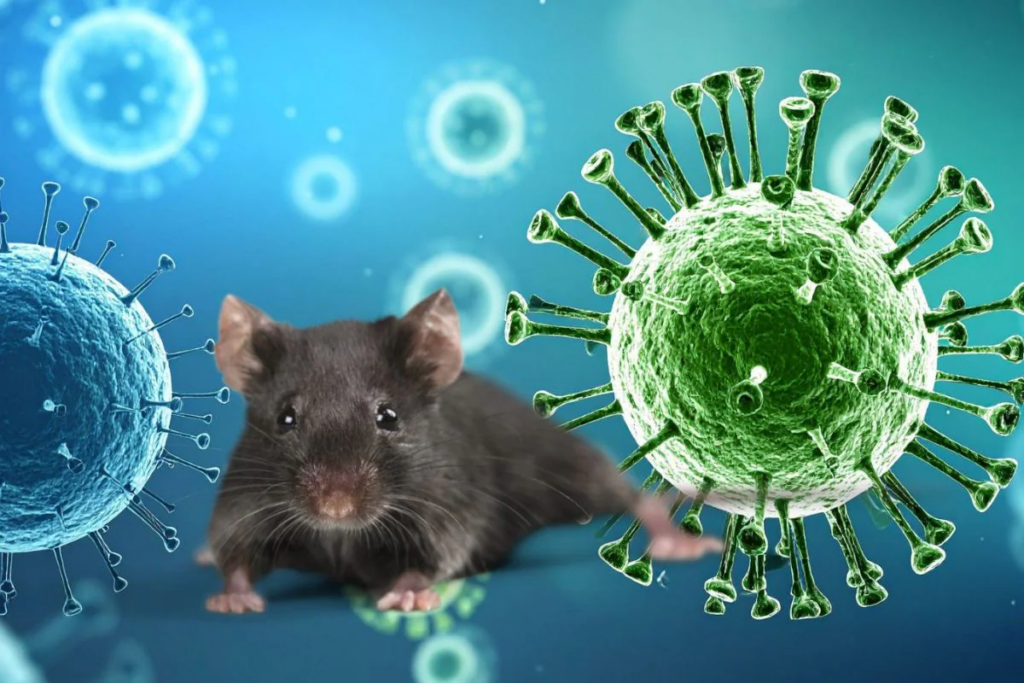
A deadly hantavirus outbreak linked to the cruise ship MV Hondius has reignited global fears about infectious disease outbreaks, international travel, and pandemic preparedness. But while comparisons to Covid-19 are spreading quickly online, health experts say the similarities may be more emotional than scientific.
The outbreak has already led to multiple confirmed infections and at least three deaths across several countries. Passengers have reportedly been quarantined, monitored, or repatriated as authorities race to trace contacts and contain further spread.
Now, World Health Organization chief Tedros Adhanom Ghebreyesus is urging countries to remain alert because additional cases may emerge due to the virus’s incubation period and extensive passenger interactions before the outbreak was identified.
Still, virologists and global health experts are stressing a key point: hantavirus is not behaving like Covid-19 — and, based on current evidence, it is highly unlikely to become the next global pandemic.
What Is Hantavirus?
Hantaviruses are a family of viruses primarily carried by rodents. Humans usually become infected through exposure to:
- rodent urine,
- saliva,
- or droppings.
Transmission often occurs in enclosed or poorly ventilated spaces where contaminated particles become airborne.
The disease is considered zoonotic, meaning it spreads mainly from animals to humans rather than efficiently between people.
Which Strain Is Causing Concern?
The current outbreak is reportedly linked to the Andes strain of hantavirus, found primarily in parts of South America.
That matters because the Andes strain is unusual among hantaviruses: it has shown limited ability to spread from person to person under very close-contact conditions.
However, experts emphasize that this transmission pattern is still fundamentally different from airborne viruses like COVID-19.
A useful infographic here could compare:
- COVID-19 transmission routes
- Hantavirus exposure pathways
- incubation periods
- and fatality rates.
Why Experts Say Hantavirus Is Not “The Next Covid”
The biggest reason is transmissibility.
COVID-19, caused by SARS-CoV-2, spreads extremely efficiently through the air. A single infected person can unknowingly infect many others in crowded indoor settings, often before symptoms appear.
Hantavirus works differently.
Hantavirus Does Not Spread Easily Between Humans
According to infectious disease experts, most hantavirus infections still occur through direct exposure to infected rodents or contaminated environments.
Even the Andes strain — one of the only hantaviruses known to occasionally spread between humans — requires prolonged close contact.
That means:
- Casual interactions are unlikely to spread the virus,
- Large airborne superspreader events are not expected.
- Outbreaks tend to remain localized.
WHO officials have reportedly described the current situation as a “contained cluster,” not the beginning of a pandemic.
Why The Cruise Ship Outbreak Triggered Alarm
The outbreak aboard the MV Hondius immediately drew comparisons to the early Covid-era outbreak on the Diamond Princess cruise ship.
That comparison was almost inevitable.
Cruise ships create ideal conditions for disease anxiety because they involve the following:
- international travel,
- dense passenger interaction,
- shared ventilation,
- and rapid cross-border movement.
But The Similarities Mostly End There
Unlike Covid-19:
- There is no evidence that hantavirus spreads efficiently through the air,
- Asymptomatic mass transmission has not been observed,
- And outbreaks historically remain limited.
Public health authorities say the cruise ship setting amplified visibility, not necessarily the actual pandemic risk.
Several infected passengers reportedly traveled internationally before the outbreak was confirmed, prompting monitoring operations across Europe and North America.
That international response has made the outbreak appear larger and more threatening than previous hantavirus clusters.
How Dangerous Is Hantavirus?
While experts say widespread pandemic fears are overstated, hantavirus itself can still be extremely serious.
Some strains can cause:
- Hantavirus Pulmonary Syndrome (HPS),
- severe respiratory distress,
- organ complications,
- and death.
Fatality rates for HPS can be high, especially when diagnosis and treatment are delayed.
Early Symptoms Can Look Like Flu
Initial symptoms often include:
- fever,
- muscle aches,
- fatigue,
- headaches,
- nausea,
- and coughing.
In severe cases, breathing difficulties can worsen rapidly as fluid builds up in the lungs.
Because symptoms overlap with other viral illnesses, early detection can sometimes be difficult.
Consider adding an explainer graphic here showing:
- exposure,
- incubation,
- early symptoms,
- severe complications,
- and recovery timelines.
Why Scientists Believe The Pandemic Risk Remains Low
Health experts point to several scientific reasons why hantavirus is unlikely to become another Covid-scale emergency.
1. Slower Mutation Rates
Unlike SARS-CoV-2, hantaviruses mutate relatively slowly.
That reduces the likelihood of the virus suddenly evolving into a highly contagious airborne pathogen.
2. Clearer Transmission Chains
Covid spread rapidly because infected individuals could unknowingly transmit the virus without symptoms.
Hantavirus infections typically involve identifiable exposure histories, making contact tracing more manageable.
3. Decades Of Monitoring Show Limited Spread
Scientists have tracked hantavirus outbreaks for decades in:
- South America,
- the United States,
- and other regions.
Historically, outbreaks have remained geographically limited despite recurring cases.
That historical pattern is one reason epidemiologists remain cautious but not alarmist.
Should People Be Worried About Daily Exposure?
For most people, the immediate risk remains very low.
Public health agencies generally recommend:
- avoiding contact with rodent droppings,
- using protective equipment when cleaning contaminated spaces,
- improving ventilation in enclosed areas,
- and sealing homes against rodent entry.
The outbreak does not currently indicate sustained community transmission.
What WHO Is Actually Warning About
The WHO’s warning appears focused on preparedness and surveillance — not panic.
Officials are encouraging countries to:
- monitor travelers,
- strengthen testing capacity,
- isolate confirmed cases,
- and prepare healthcare systems for possible additional infections.
That approach reflects lessons learned from COVID-19, where delayed responses worsened global spread.
In other words, authorities are reacting aggressively because preparedness failures during COVID proved costly, not because hantavirus currently poses the same level of threat.
Why This Story Is Resonating Globally
Part of the anxiety surrounding the outbreak is psychological.
The combination of:
- a deadly virus,
- international travel,
- quarantine operations,
- and a cruise ship setting
inevitably evokes memories of early 2020.
But experts caution against assuming every emerging outbreak follows the same trajectory as Covid-19.
The current evidence suggests hantavirus remains a serious but contained infectious disease risk rather than a looming global catastrophe.
TL;DR
- WHO is urging countries to prepare for more hantavirus cases linked to the MV Hondius cruise ship outbreak.
- The outbreak has caused multiple infections and at least three deaths.
- Experts say hantavirus is fundamentally different from COVID-19 because it does not spread efficiently between humans.
- Most infections occur through exposure to rodents or contaminated environments.
- The Andes strain can occasionally spread through prolonged close contact, but outbreaks historically remain localised.
- Health officials say vigilance is necessary, but a Covid-style pandemic is considered unlikely based on current evidence.