
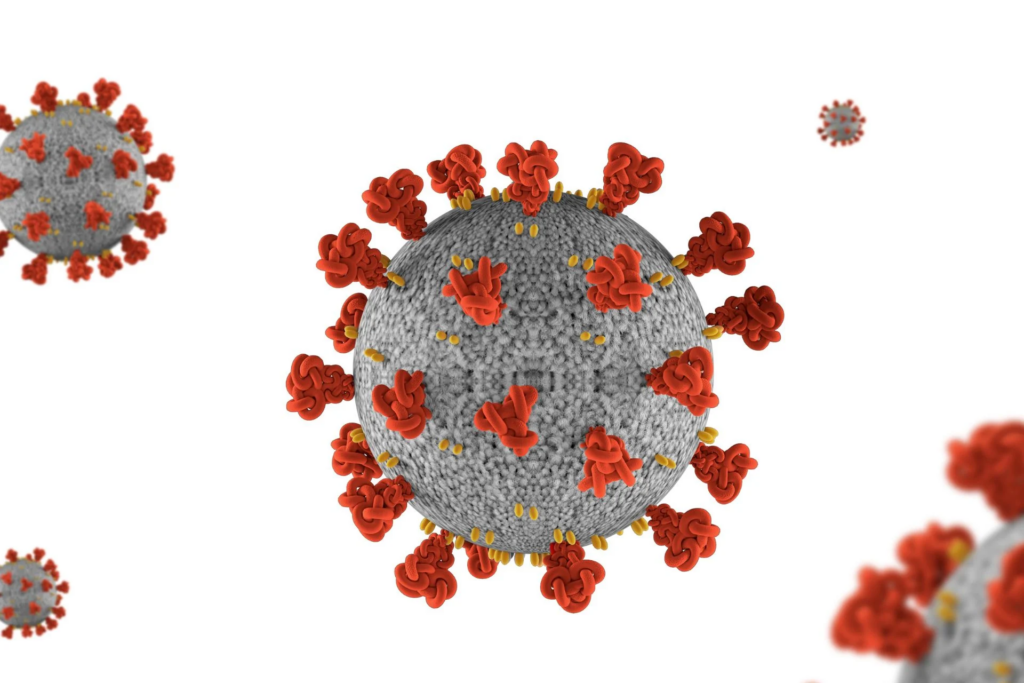
A newly identified COVID-19 variant, BA.3.2, is drawing attention after the Centers for Disease Control and Prevention (CDC) confirmed its presence in the United States through surveillance programs.
But alongside legitimate updates, some claims about the variant—particularly that it can “evade all immune defences”—are raising red flags among experts.
Here’s a clear, fact-based breakdown of what we know so far, what’s still uncertain, and why context matters.
What Is the BA.3.2 COVID Variant?
BA.3.2 is a sub-lineage of the virus that causes COVID-19, officially known as SARS-CoV-2.
Key Facts
- First identified in South Africa in November 2024
- Detected in 23 countries globally
- Contains 70–75 genetic mutations (substitutions)
Variants accumulate mutations over time. Some of these changes can affect how easily the virus spreads or how well it evades immunity—but not all mutations are meaningful in real-world impact.
Has BA.3.2 Been Found in the United States?
Yes—but in limited numbers.
What the CDC Data Shows
Through its Traveller-Based Genomic Surveillance program, the CDC has identified:
- 6 cases in international travellers entering the U.S.
- Additional detections across 29 states and Puerto Rico
- The first U.S. case in June 2025 was linked to travel from the Netherlands
This suggests sporadic presence, not widespread transmission.
What Does Wastewater Surveillance Reveal?
Wastewater monitoring has become a key early-warning system for tracking COVID variants.
BA.3.2 in Wastewater
- Detected in ~260 wastewater sites across the U.S.
- Accounts for ~0.5% of recent virus sequences
What This Means
- The variant is circulating at low levels
- It is not currently dominant
- Surveillance is working as intended—catching variants early
Can BA.3.2 Evade Vaccines?
Short Answer: Not Completely
Claims that BA.3.2 can “evade all immune defences” are not supported by current scientific consensus.
What Experts Actually Say
- Some mutations—especially in the spike protein—may reduce antibody protection
- However, vaccines still provide strong protection against severe illness and hospitalisation
- Immunity includes more than antibodies (e.g., T-cell responses), which remain effective
This distinction is critical. Reduced protection against infection does not mean vaccines are ineffective overall.
How Has the Variant Spread Globally?
BA.3.2 has appeared in multiple regions but hasn’t taken over.
Europe’s Experience
- Saw a temporary rise in September 2025
- Accounted for ~30% of cases in:
- Denmark
- Germany
- The Netherlands
Why It Didn’t Dominate
Scientists point to one key limitation:
- Weaker binding to human cells compared to other variants
This likely reduced its ability to outcompete more transmissible strains.
Has BA.3.2 Been Detected in India?
As of now, no official cases have been reported in India.
That said, the absence of detection doesn’t always mean the absence of the virus. It may reflect:
- Limited sequencing in certain areas
- Early-stage spread
- Effective containment
Health authorities typically monitor global trends closely and adjust surveillance as needed.
Why This Variant Matters (Even If It’s Not Dominant)
At first glance, BA.3.2 may not seem like a major threat. But its characteristics still matter for future preparedness.
1. High Mutation Count
With 70+ mutations, BA.3.2 provides insight into how the virus is evolving.
- Helps scientists track mutation patterns
- Informs future vaccine updates
2. Immune Escape Signals
Even partial immune evasion is important:
- It highlights the need for updated vaccines
- It reinforces the importance of booster strategies
3. Surveillance Success
The ability to detect this variant early shows that:
- Global monitoring systems are improving
- Governments can respond faster to emerging risks
How Should People Respond?
For Individuals
- Stay up to date with COVID vaccinations
- Follow local health guidance
- Avoid panic—current risk appears low
For Policymakers
- Continue genomic surveillance
- Invest in next-generation vaccines
- Communicate clearly to avoid misinformation
The Bigger Picture: Variant Fatigue vs Vigilance
Nearly four years into the pandemic, public response to new variants has shifted.
- Early variants triggered a global alarm
- Newer ones often receive muted reactions
This creates a challenge: balancing awareness without causing unnecessary fear.
BA.3.2 is a reminder that the virus is still evolving—but not every variant becomes a crisis.
TL;DR
- BA.3.2 is a new COVID variant detected in multiple countries, including the U.S.
- It has a high number of mutations but remains rare (~0.5% of cases)
- Claims of complete vaccine escape are misleading
- Vaccines still protect against severe disease
- The variant has not become dominant globally
- No confirmed cases in India so far