

The United States has told several Gulf Arab governments to prepare for possible Iran strikes soon after the November 3 midterm elections. The Wall Street Journal reported on Tuesday that officials described a “short, intense military campaign,” according to Anadolu Agency’s summary of the paywalled story. President Donald Trump hasn’t made a final decision. The Journal says he is leaning toward a “large postelection attack” on Iranian infrastructure and nuclear sites.
The Associated Press confirmed the core of the report with its own sources. Two diplomats told the AP that US officials warned allies a new round of strikes could last “for several days.” Officials also urged allies to protect energy plants and other critical infrastructure from Iranian retaliation.
For Americans, the stakes are troops and diplomats within range of Iranian missiles, travel across the Gulf, and the price of oil.
What the Pentagon is moving, according to the reports
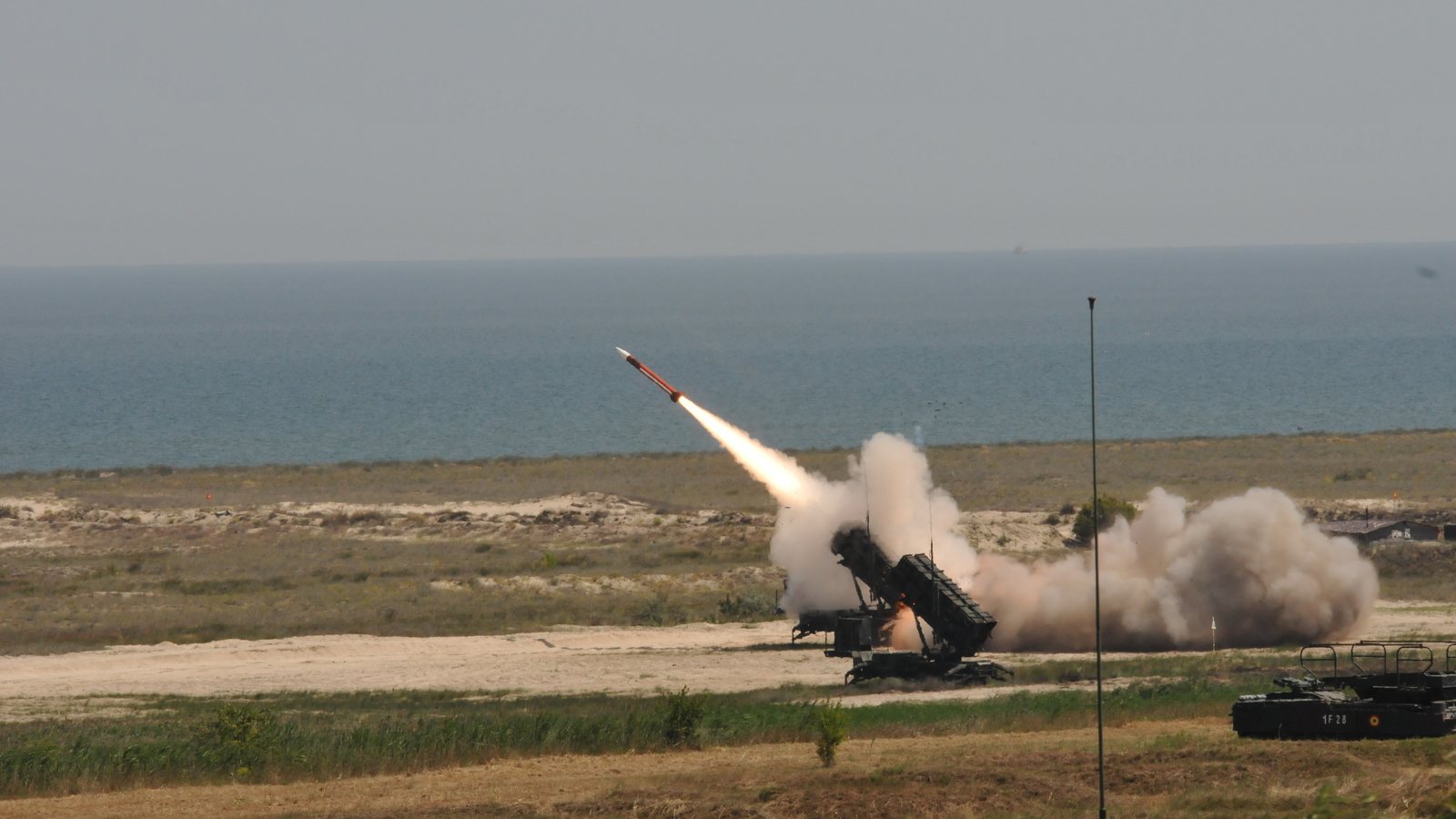
The Journal described a buildup that goes beyond planning. The military is moving a Patriot air-defense system from Texas to the Middle East, The Jerusalem Post reported. A Patriot battery includes radar, a control station, launchers and interceptors.
US forces have also pulled troops from bases seen as vulnerable to Iranian missiles. They have restocked munitions and readied bombers and fighter jets, the report said.
At sea, an extra aircraft carrier strike group and a Marine expeditionary unit are due in November. They would join about 20 US warships already in the region, though some ships could rotate out. The third carrier sent this fall, the USS Theodore Roosevelt, left San Diego in late September, as we reported last week.
Israel has drawn up its own plans and target lists, the Journal reported, according to investingLive. Defense Secretary Pete Hegseth met Prime Minister Benjamin Netanyahu at an air base in southern Israel on October 20. Three Israeli officials said they discussed Iran, Reuters reported.
The moves fit a pattern of defending first, then striking. Moving a Patriot battery and thinning out exposed bases is what a military does when it expects the other side to fire back.
What Trump has said on the campaign trail
The White House would not discuss “sensitive military plans that may or may not exist.” It said Trump “keeps all options on the table to ensure that Iran can never have a nuclear weapon.”
Trump himself has been less guarded. At a rally in Lubbock, Texas, on Tuesday, he said: “You’ll see Iran in a couple of weeks, if you don’t mind.” He added, “And it will all end very soon,” Anadolu reported.
Four days earlier, at a Florida rally, he said: “We may do another little Epic Fury, or they’ll agree.” That line was reported by Republic World. Epic Fury is the name of the US campaign against Iran that began on February 28.
Trump has also said he would not attack Iran before the midterms. Read together, the rally lines and the warnings to allies point the same way. The election is the earliest date for a decision, not a deadline for one.
Why a ‘short’ campaign may not stay short
The war began with joint US and Israeli strikes on February 28. Iran answered with missile and drone attacks across the region and effectively closed the Strait of Hormuz, Anadolu reported. A memorandum of understanding signed in June was meant to lead to a peace deal. It collapsed over disputes that included shipping in the strait.
The US has not struck Iran since early September, according to the AP. Since then, the fighting has shifted to the water and to Iran’s allies. Yemen’s Iran-backed Houthi rebels have hit Saudi airports and oil sites.
Iran has warned it would answer any new attack with strikes on economic and civilian targets across the region, the Journal reported. The Jerusalem Post listed energy sites, airports and civilian facilities around the Persian Gulf as possible targets.
Regional officials expect Iran and its proxies to retaliate, which could prolong the fighting, the AP reported. So a plan sold as “several days” could run longer. The Gulf states would absorb that retaliation whether or not they take part.
What this means for Americans in the Gulf
The State Department has already ordered non-emergency staff out of Saudi Arabia. The embassy’s October 21 security alert warns that Houthi hostilities “have the potential to escalate rapidly beyond that immediate area.” US government staff there need special permission to use any Saudi airport.
The threat isn’t limited to the region. A US official confirmed that Secretary of State Marco Rubio received an intelligence memo on Iranian plots, the Jerusalem Post reported. It warned that Iranian efforts to target Americans had intensified. We covered what that memo says last week.
Markets are already pricing the risk. Brent crude was trading around $115 a barrel when the report broke, investingLive noted. It called the news a “direct upside risk for oil.” Regular gasoline averaged $4.28 a gallon nationally on October 19, according to the Energy Information Administration. We looked last week at who profits when oil prices climb.
Diplomacy is still running, slowly
Iran says it hasn’t given up on talks. Foreign Minister Abbas Araghchi wrote on X on Wednesday that Tehran “continues to give diplomacy a chance to succeed,” the AP reported. Iran is working with mediators on a proposal it floated last month, which Trump “summarily rejected.” Tehran wants that plan to be the basis for a return to a ceasefire.
The United Arab Emirates’ foreign ministry urged all sides to “exercise wisdom and pursue political solutions.” Mediators have made little progress so far, the Journal reported.
Israel’s politics add another variable. Its October 27 election left neither bloc with a majority, so coalition talks will run alongside any decision on Iran.
The next marker is Election Day on November 3. The new carrier group and Marine unit are due in the region the same month. Within weeks of the vote, it should be clear whether the warnings were a countdown or pressure for a deal.