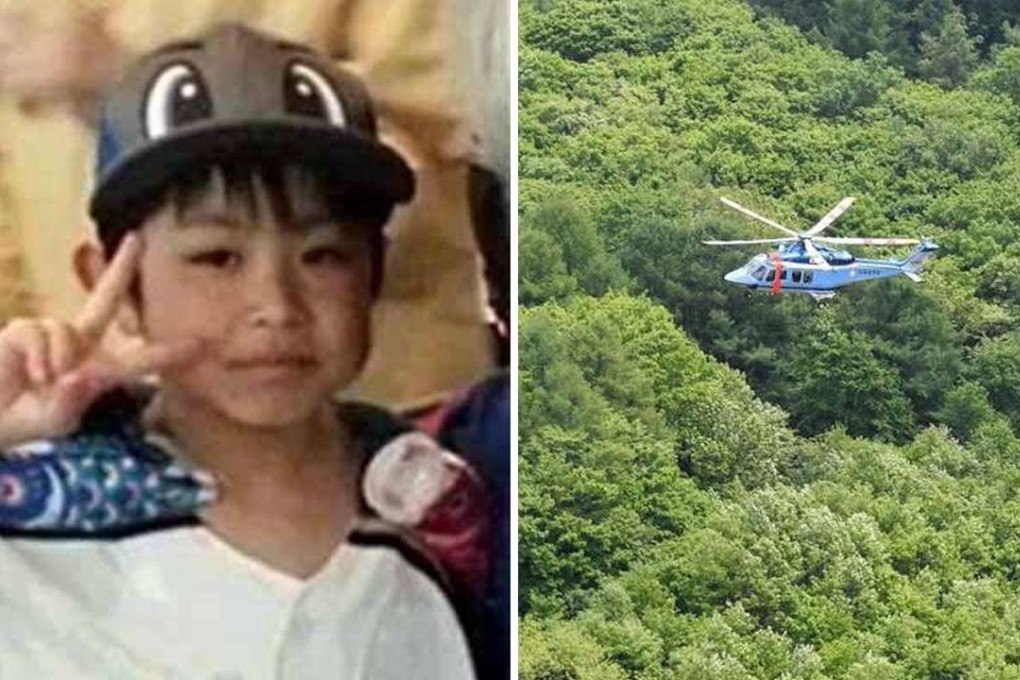
A Japanese father has faced widespread criticism after allegedly leaving his exhausted 7-year-old son alone on Mount Fuji while continuing toward the summit with his older child.
The 48-year-old father was hiking with his two sons on Thursday when the younger boy reportedly became too tired to continue. The child, a first-grade student from Nagoya, was at the sixth station of the Fujinomiya Trail, roughly 2,490 metres above sea level.
Rather than turning back with his younger son, the father allegedly told him to wait at the station before continuing toward the summit with his older son, a first-year middle school student.
The decision quickly became a safety concern when weather conditions deteriorated.
What happened on Mount Fuji?
The younger boy was reportedly left sitting alone near a mountain hut at the sixth station.
At around 7:40 a.m., a worker at the hut noticed the child sitting by himself.
Heavy rain had begun falling, prompting the worker to bring the boy inside the hut and contact authorities.
Police later located and contacted the father, who was continuing his climb with his older son.
Authorities warned him that leaving a young child unattended in such circumstances was unacceptable before returning the boy to him.
Why did the father leave his son behind?
According to the reported account, the younger child told his father that he was tired and could not continue toward the summit.
The father then decided to leave him at the sixth station while continuing the climb with his older son.
The precise reasoning behind that decision has not been fully disclosed.
The father reportedly later acknowledged that he had made a poor decision and expressed regret to authorities.
“I made a rash decision, and I deeply regret it,” he reportedly said.
Why is leaving a child alone on Mount Fuji dangerous?
Mount Fuji may be one of Japan’s most famous tourist destinations, but climbing it involves considerably more risk than simply visiting a scenic landmark.
Conditions can change rapidly as hikers gain altitude.
The sixth station on the Fujinomiya route is already around 2,490 meters above sea level. Temperatures, wind and visibility can differ significantly from conditions at the base.
Rain can also make trails slippery and reduce visibility.
For a 7-year-old child who is already exhausted, being left alone in such an environment creates obvious safety concerns.
The fact that the boy was eventually found quickly by a mountain hut worker prevented the situation from becoming more serious.
What did authorities tell the father?
Police reportedly warned the father that leaving a child unattended was unacceptable.
They subsequently returned the younger boy to him.
Authorities also used the incident to remind hikers that group safety should take priority over reaching the summit.
Their advice was straightforward: hikers should plan according to the abilities and stamina of the least experienced or least physically capable person in their group.
In practical terms, that means the group should slow down, turn around or otherwise change its plans rather than leaving a struggling member behind.
How did people react in Japan?
The incident triggered criticism on Japanese social media.
Users questioned how a parent could leave a 7-year-old alone in mountainous terrain while continuing toward the summit.
Some described the decision as unacceptable, while others called it frightening.
The criticism reflects a broader concern about responsibility and safety when children are taken into demanding outdoor environments.
The fact that the boy was tired before the climb was complete also raised questions about whether the family’s original plan adequately accounted for the younger child’s physical ability.
Why is the age of the child important?
A 7-year-old is considerably more vulnerable to changing weather, fatigue and unfamiliar surroundings than an adult hiker.
Children may also have difficulty assessing risks or deciding what to do if circumstances suddenly change.
Even if a mountain hut is nearby, leaving a child alone assumes that another adult will be available to intervene if something goes wrong.
In this case, a hut worker happened to notice the boy.
That cannot be guaranteed on every mountain trail or in every weather condition.
What should families consider before climbing Mount Fuji?
Authorities’ warning extends beyond this individual incident.
Families planning mountain hikes should consider several factors before beginning:
- The physical ability of every member of the group
- Weather forecasts and rapidly changing mountain conditions
- The length and difficulty of the route
- Altitude and the effects of fatigue
- Whether children can safely complete the planned route
- What to do if one member cannot continue
- Emergency procedures and available shelters
The most important consideration is that the group’s plan should accommodate its least capable member.
A summit attempt should never take priority over the safety of a child or another exhausted hiker.
What happened to the boy?
The child was safely taken inside the mountain hut after being discovered.
Authorities subsequently contacted his father and returned him to his family.
There were no reports in the supplied account of the boy suffering serious physical harm.
The incident nevertheless prompted authorities to issue a broader safety warning to hikers.
The bigger picture
The Mount Fuji incident is a reminder that reaching the summit should never become more important than protecting the people making the climb.
The 7-year-old boy had reportedly become exhausted at approximately 2,490 meters, but instead of ending the climb, his father continued upward with his older son.
A mountain hut worker found the younger child alone and brought him inside as heavy rain began.
The authorities were able to reunite the family, and the father reportedly acknowledged that his decision had been rash.
The episode also highlights a basic rule of outdoor safety: when a group includes people with different abilities, the itinerary needs to be built around the person who may struggle the most.
On a mountain, leaving someone behind is not simply a matter of convenience. Weather, terrain and altitude can quickly turn an uncomfortable situation into an emergency.