
TL;DR
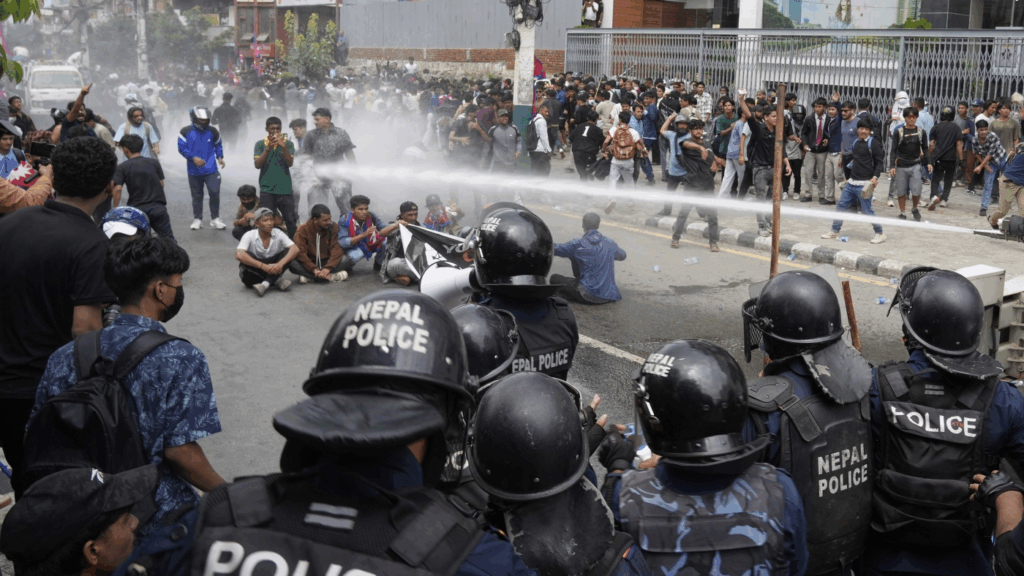
Gen-Z protests flared again in Nepal on Thursday, prompting authorities to impose a same-day curfew in several areas, including Simara Chowk, the focal point of the demonstrations. Police used force to disperse crowds shortly after protests began around 11 a.m. local time. Officials say the situation is “normal,” and no serious injuries were reported. The curfew remained in effect until 8 p.m. as administrators worked to restore order.
Why Are Protests Erupting in Nepal Again?
The latest round of protests highlights Nepal’s ongoing political and social tensions, issues that have resurfaced multiple times over the past year. Public demonstrations in the country often stem from grievances involving governance, local administrative decisions, or broader political disputes.
In this case, the protests centered around Simara Chowk, a busy junction in Bara district. While officials have not publicly detailed the cause of Thursday’s protests, the rapid escalation into a curfew suggests that authorities viewed the unrest as potentially destabilizing.
What Happened at Simara Chowk?
According to The Kathmandu Post, protestors began gathering at the junction at about 11 a.m. Police responded with force to break up the crowd as tensions escalated. By the afternoon, administrators had issued a formal curfew order to prevent further unrest.
Nepal Police spokesman Abi Narayan Kafle told AFP that despite the confrontation, “the situation is normal… No one was severely injured.” This statement helps calm concerns but also raises questions about the level of force used and the government’s broader response strategy.
What the Curfew Means for Residents
Authorities announced that the curfew would remain in effect until 8 p.m. (local time) on Thursday. During curfews in Nepal, residents are typically restricted from:
- Gathering in public spaces
- Moving between districts or neighborhoods
- Holding protests or rallies
- Operating non-essential businesses
A temporary curfew can disrupt daily life significantly, especially in commercial zones like Simara.
How Authorities Are Responding
Local officials framed the curfew as a necessary step to “restore order,” signaling that they viewed the protests as a risk to public safety. In Nepal, such measures are not taken lightly, and their use often indicates the government’s concern about protests spreading to surrounding districts.
It’s also important to note that Nepal has been navigating a period of political flux. Frequent protests—some peaceful, others volatile—reflect ongoing friction between the government and various civic groups.
Why This Matters Beyond Nepal’s Borders
Unrest in Nepal can have ripple effects across the region:
- Trade & Transport: Simara lies along important transit routes. Frequent curfews or blockades can disrupt commerce.
- Tourism: As one of Nepal’s biggest revenue sources, tourism is sensitive to any perception of instability.
- Diplomatic Relations: Neighboring India, which shares an open border with Nepal, often monitors such situations closely.
Understanding what triggers these protests—and how authorities respond—is essential for anyone tracking South Asian politics.
What Happens Next?
As of Thursday night, the curfew was scheduled to lift at 8 p.m., but similar past incidents suggest authorities may extend or reimpose restrictions if tensions rise again.
Key things to watch:
- Whether protestors regroup after the curfew lifts
- Statements from Nepal’s Home Ministry or local administrators
- Any new political developments tied to the unrest
- The police’s handling of crowd control in the coming days
If demonstrations continue, Nepal may see broader disruptions or even additional security measures.
Summary
Nepal’s latest protests underscore ongoing tensions within the country’s political climate. While officials say the situation is under control and no serious injuries occurred, the imposition of a curfew is a sign of deeper unrest. As more information becomes available, monitoring local reports and government statements will be key to understanding how the situation evolves.