
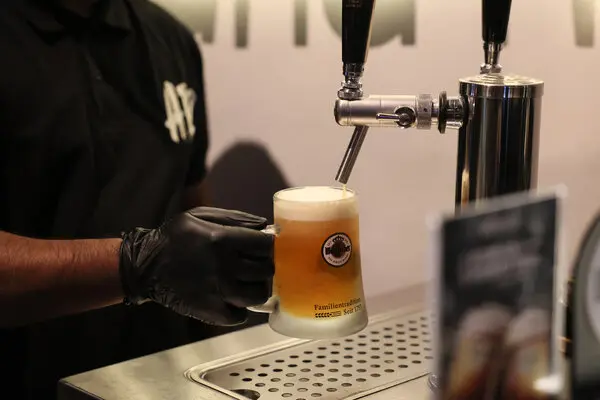
Saudi Arabia is taking a significant and controversial step by allowing certain non-Muslim foreign residents to buy alcohol for the first time legally. But access comes with a steep income requirement: only expats earning more than 50,000 riyals (about $13,300) per month can qualify. The move is part of Riyadh’s broader push to attract high-skilled workers, boost tourism, and modernize its economy ahead of the 2034 men’s World Cup.
What exactly is changing in Saudi Arabia’s alcohol rules?
For decades, Saudi Arabia has enforced one of the world’s strictest bans on alcohol, rooted in Islamic teachings that prohibit intoxicants. While social restrictions have loosened over the past several years, women are allowed to drive, concerts are now common, and entertainment venues have reopened. Still, alcohol has remained a firm red line.
That line is now shifting.
According to Bloomberg, the kingdom will allow non-Muslim foreign residents to buy alcohol at a single government-controlled store in Riyadh. But access is limited to high-income expats who clear the new monthly salary threshold of 50,000 riyals.
To enter the store, customers must show:
- A salary certificate proving their income
- Proof of premium residency or other qualifying status
- Identification demonstrating non-Muslim status
The store originally opened last year exclusively for foreign diplomats. It has now quietly expanded access to a small slice of the expat population.
Why is Saudi Arabia easing alcohol restrictions now?
This shift isn’t about lifestyle liberalisation, at least not primarily. The motivations are economic, strategic, and global.
1. Competing for global talent
Saudi Arabia wants to attract highly skilled workers in tech, finance, health, energy, and entertainment. Offering limited legal access to alcohol, something standard in most global hubs, helps the kingdom compete with Dubai, Doha, and Singapore for top-tier talent.
2. Preparing for the 2034 men’s World Cup
Hosting a global event means accommodating millions of international visitors. By starting with tightly regulated access for residents, authorities can build infrastructure and protocols before easing restrictions for tourists during the World Cup period.
3. Boosting non-oil revenue
Despite its oil wealth, Saudi Arabia is facing rising government spending and projected fiscal deficits in the coming years. Tourism is a major pillar of the Vision 2030 diversification plan, and limited alcohol availability is seen internally as a lever for attracting both visitors and investors.
4. Maintaining control and avoiding backlash
By restricting purchases to high-earning expats, a small, easily monitored group, Saudi leaders minimize the risk of public criticism. The move remains politically delicate, and authorities are clearly treading carefully.
How is the Saudi public reacting?
So far, there has been no reaction, at least not publicly.
- No coverage in major Saudi newspapers
- No comment from the kingdom’s grand mufti, its highest religious figure
- No public statements from government ministries
Part of this silence stems from the sensitivity of the issue. Alcohol touches on core religious principles, and open dissent in Saudi Arabia has become rare after years of political crackdowns. Even modest liberalizing steps tend to roll out quietly to avoid backlash from conservative groups.
What does this mean for expats living in the kingdom?
For the vast majority of foreign residents, nothing changes. Only a small percentage of expatriates earn more than 50,000 riyals per month, and the store exists solely in Riyadh.
Even for those who qualify:
- Purchases will be rationed and tracked
- Resale or sharing with Muslims remains illegal
- Public consumption is prohibited
- Penalties for violating alcohol laws remain extremely strict
This is not the beginning of open alcohol access across the kingdom. It is a narrowly controlled pilot aimed at economic goals, not a widespread reform.
How does this fit into Saudi Arabia’s broader social transformation?
Over the past decade, the kingdom has undergone dramatic social shifts:
- Women gained the right to drive
- Public entertainment and concerts returned
- Gender mixing restrictions eased
- Cinemas reopened
- Major tourism campaigns launched
- Visa rules have been significantly relaxed
The alcohol move fits the pattern: incremental liberalization designed to serve Vision 2030’s economic priorities while still respecting religious and social sensitivities.
Saudi Arabia is trying to present itself as open enough for global investors and tourists, but not so open that it alienates its conservative base.