
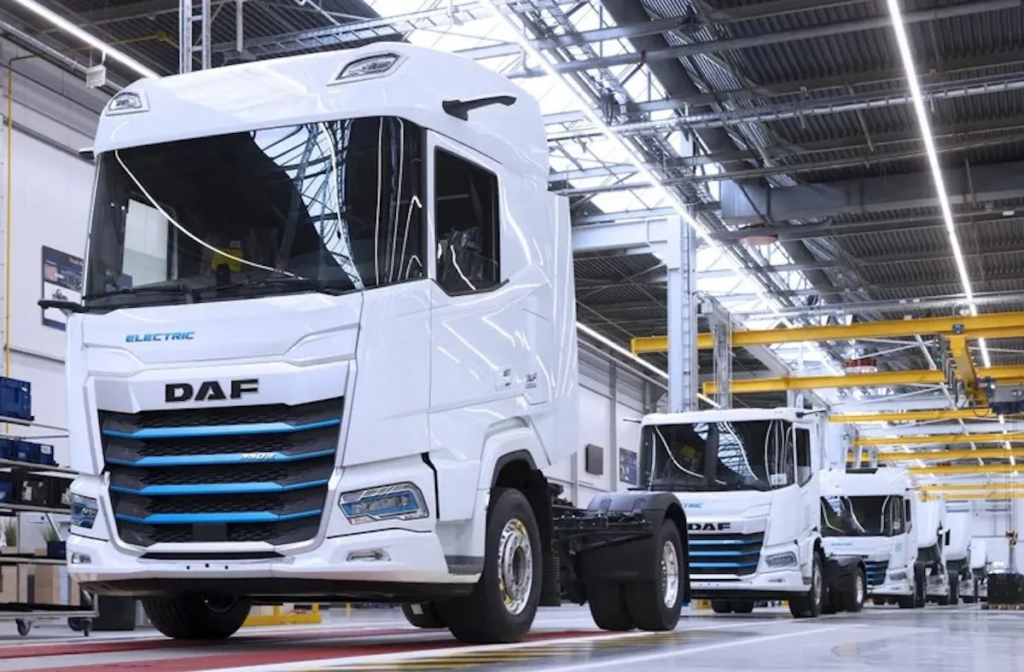
China’s push toward electrification may be entering its most consequential phase yet. Beyond passenger cars and buses, the country is now eyeing a near-total transition of its heavy-duty trucking fleet to electric power, a move that could dramatically cut oil demand and accelerate decarbonization.
At a recent industry forum in Beijing, Liang Linhe, chairman of Sany Truck, suggested that China’s heavy truck sector could become “nearly fully electrified” in the future. If realised, the implications would extend far beyond China’s borders.
Why China Electric Heavy Trucks Are Gaining Momentum
The case for electrifying heavy-duty trucks isn’t being driven by environmental idealism alone. According to industry leaders, the primary force behind adoption is simple: cost.
Economics is the deciding factor
Heavy trucks are not consumer products—they are tools of production. Fleet operators prioritize:
- Fuel costs
- Maintenance expenses
- Operational efficiency
Electric trucks are increasingly competitive on all three fronts.
Key cost advantages:
- Lower energy costs compared to diesel
- Fewer moving parts, reducing maintenance
- Improved efficiency in stop-and-go or fixed-route logistics
“As a means of production, economics is the core consideration,” Liang noted—highlighting why adoption could accelerate rapidly once cost parity is reached.
Could Market Penetration Reach 100%?
Perhaps the most striking claim is how far this transition could go.
Liang projected that electric heavy trucks could achieve the following:
- Near-total market penetration
- Minimal long-term role for diesel trucks
That’s a bold forecast, especially considering how dominant diesel has been in freight transport for decades.
Why China is uniquely positioned:
- Strong domestic manufacturing base
- Advanced battery supply chains
- Government support for electrification
China already leads the world in electric vehicle production. Extending that dominance to heavy trucks is a logical next step.
How Much Oil Could This Save?
The potential energy impact is massive.
Industry estimates suggest:
- Road transport oil consumption in China could be cut by up to 50%
Heavy-duty trucks consume a disproportionate share of diesel fuel. Electrifying them would:
- Reduce reliance on imported oil
- Improve energy security
- Shift demand toward electricity—much of which China is increasingly generating from renewables
Environmental Impact: Why Heavy Trucks Matter So Much
The environmental case for electrification becomes even stronger when looking at emissions.
A striking comparison:
Liang stated that one diesel heavy truck can emit as much carbon annually as around 100 petrol cars.
While exact figures vary, the underlying point is clear:
- Heavy trucks are among the largest emitters per vehicle
- Replacing even a fraction can deliver outsized climate benefits
Potential outcomes:
- Significant reduction in greenhouse gas emissions
- Improved urban air quality
- Faster progress toward China’s climate targets
What Makes Heavy Truck Electrification Challenging?
Despite the momentum, electrifying heavy-duty transport is not straightforward.
Key hurdles:
- Battery weight and range: Heavy trucks require large batteries, which add weight
- Charging infrastructure: High-capacity charging stations are needed along freight routes
- Upfront costs: Electric trucks still have higher initial purchase prices
However, China’s scale may help overcome these challenges faster than in other markets.
China’s Supply Chain Advantage
One reason analysts take these projections seriously is China’s industrial ecosystem.
Competitive strengths:
- Dominance in battery production
- Integrated supply chains from raw materials to finished vehicles
- Rapid infrastructure deployment capability
Companies like SANY Group and others are already investing heavily in electric heavy-duty platforms.
This vertical integration allows China to:
- Reduce costs faster
- Scale production quickly
- Iterate technology at speed
What This Means for Global Energy Markets
If China significantly reduces diesel consumption, the ripple effects could be global.
Possible impacts:
- Lower global oil demand growth
- Pressure on oil-exporting economies
- Acceleration of energy transition policies worldwide
China is the world’s largest energy consumer. A structural shift in its transport sector would reshape global demand patterns.
Will Other Countries Follow?
China may be leading, but it won’t be alone for long.
Emerging trends:
- Europe pushing zero-emission freight targets
- US investing in electric trucking infrastructure
- Logistics companies worldwide are exploring electrification
However, adoption elsewhere may be slower due to:
- Less centralized industrial policy
- Infrastructure gaps
- Higher costs
China’s model could serve as a blueprint—or a competitive challenge.
Why This Transition Is Different From Passenger EVs
Passenger EV adoption has been gradual. Heavy trucks could move faster once economics align.
Key difference:
- Fleet operators make decisions based on the total cost of ownership, not brand or preference
Once electric trucks become cheaper over their lifecycle:
- Adoption could accelerate rapidly
- Market shifts could happen in years, not decades
What to Watch Next
The trajectory of China’s electric heavy trucks will depend on several factors:
Critical indicators:
- Battery cost trends
- Charging infrastructure rollout
- Government incentives and regulations
- Real-world performance data from early adopters
If these align, Liang’s prediction of near-100% penetration may not be as far-fetched as it sounds.
TL;DR
- China is pushing toward the near-total electrification of heavy-duty trucks.
- Cost—not just climate goals—is driving adoption.
- The shift could cut China’s road transport oil use by up to 50%.
- Heavy trucks have outsized emissions, making electrification highly impactful.
- China’s manufacturing and supply chain advantages give it a head start globally.