
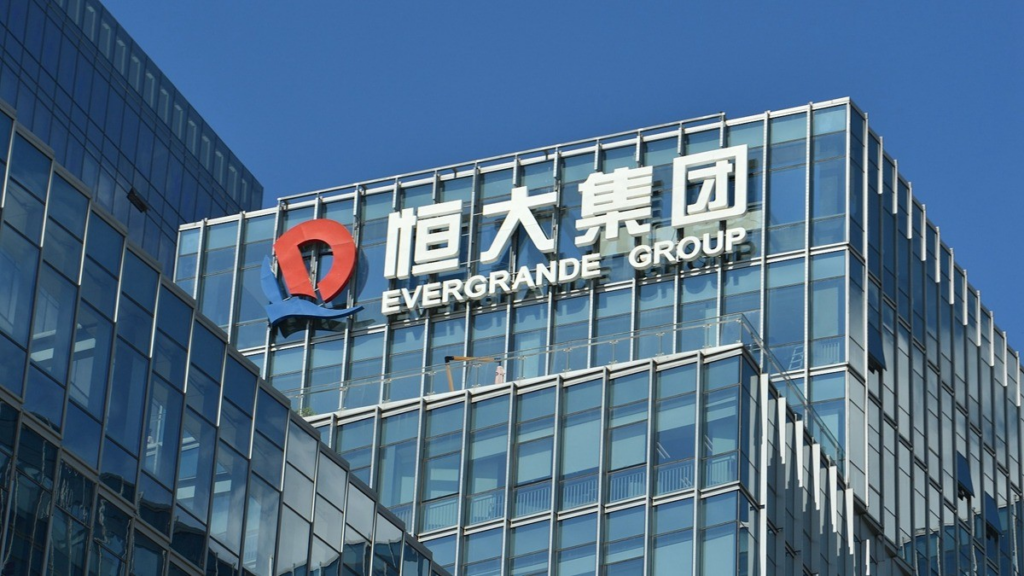
The guilty plea by Hui Ka Yan marks a dramatic turning point in one of the biggest corporate collapses in modern history. Once the man behind China’s largest property developer, Hui now faces the possibility of life imprisonment as regulators and courts unravel years of alleged fraud, financial mismanagement, and systemic risk-taking. But the courtroom is only the final chapter. To understand the significance of this moment, you need to understand how China Evergrande Group went from a $50 billion powerhouse to a cautionary tale that shook China’s economy.
What Is the Evergrande Collapse?
The Evergrande collapse refers to the financial failure of China’s most indebted real estate developer, which defaulted on its obligations in 2021 after years of aggressive, debt-driven expansion.
At its peak:
- Evergrande operated in over 280 cities
- Managed more than 1,300 projects
- Carried liabilities of roughly $330 billion
Its downfall didn’t just impact investors—it left nearly a million homebuyers waiting for unfinished homes and triggered a broader crisis across China’s property sector.
Why Did Hui Ka Yan Plead Guilty?
At the Shenzhen Intermediate People’s Court, Hui pleaded guilty to multiple charges tied to financial misconduct.
Key Allegations
Authorities accused Hui and Evergrande of:
- Illegal fundraising: Taking public deposits without authorisation
- Misuse of funds: Diverting homebuyer payments meant for construction
- Fraudulent securities issuance: Inflating financials to raise capital
- Corporate bribery and illegal lending practices
One of the most serious findings:
Evergrande inflated revenues in 2019 and 2020 by over 564 billion yuan (about $78 billion), enabling it to continue borrowing and issuing bonds.
Potential Consequences
Hui now faces:
- A possible life sentence
- Confiscation of personal assets
- Permanent ban from financial markets (already imposed by regulators)
Why it matters:
This case signals Beijing’s willingness to hold top executives personally accountable—something that could reshape corporate governance in China.
How Did Evergrande Collapse?
A Debt-Fueled Growth Machine
Evergrande’s business model was built on leverage.
Here’s how it worked:
- Borrow heavily to acquire land
- Pre-sell apartments before construction
- Use buyer funds to finance new projects
- Repeat the cycle
This “build first, pay later” system thrived during China’s housing boom.
The problem: It depended entirely on constant cash flow and rising property demand.
The Pre-Sale Trap
Chinese developers, including Evergrande, relied heavily on pre-sales:
- Buyers often paid up to 90% upfront
- Funds were supposed to be used for construction
- Instead, Evergrande redirected money to new land purchases
This created a dangerous mismatch:
- Obligation: Finish existing homes
- Reality: Funds tied up in future expansion
When sales slowed, the system collapsed.
What Were the “Three Red Lines”?
In 2020, Beijing introduced strict financial controls known as the “Three Red Lines” policy to rein in excessive borrowing.
Developers had to meet three thresholds:
- Debt-to-asset ratio ≤ 70%
- Net debt-to-equity ratio ≤ 100%
- Cash-to-short-term debt ratio ≥ 1
Evergrande failed all three.
Why This Was Critical
Failing the test meant:
- Restricted access to new borrowing
- Immediate liquidity pressure
- Loss of investor confidence
For a company dependent on debt, this was effectively a shutdown of its financial lifeline.
When Did the Crisis Peak?
The 2021 Default
By 2021:
- Evergrande couldn’t pay its suppliers
- Construction projects stalled
- Interest payments on offshore bonds were missed
This marked the official default.
Its total liabilities ballooned to:
- 2.39 trillion yuan (~$330 billion)
- About 2% of China’s GDP
How Did It Impact China’s Economy?
The Evergrande collapse had ripple effects across the entire economy.
1. Homebuyers Left in Limbo
- Nearly 1 million buyers were affected
- Thousands of projects are stalled
- Public protests erupted across cities
2. Domino Effect in Real Estate
- Over 50 developers defaulted after Evergrande
- Investor confidence plummeted
- Property sales slowed nationwide
3. Financial System Stress
- Banks and shadow lenders faced exposure
- Foreign investors lost billions
- Local governments saw declining land-sale revenues
The Role of Accounting Fraud
A major factor in Evergrande’s survival—and eventual collapse—was alleged accounting manipulation.
What Happened?
- Revenues and profits were overstated by hundreds of billions of yuan
- Debt levels were masked
- Investors were misled into buying bonds
This allowed Evergrande to:
- Continue raising capital
- Delay the inevitable collapse
Why It Matters
The fraud didn’t just harm investors—it prolonged systemic risk across China’s economy.
What Happened After the Collapse?
Regulatory Crackdown
Chinese authorities took decisive action:
- China Securities Regulatory Commission fined Hui and banned him from the markets
- Evergrande faced heavy penalties
- Investigations expanded across the sector
Liquidation and Asset Recovery
In 2024, a Hong Kong court ordered Evergrande’s liquidation—the largest in Chinese corporate history.
Ongoing developments include:
- Efforts to recover $6 billion in dividends and compensation
- Attempts to complete unfinished housing projects
- Asset sales to repay creditors
Delisting and Market Exit
In August 2025:
- Evergrande was delisted from the Hong Kong Stock Exchange
- Its shares had lost nearly 99% of their value
Why the Evergrande Collapse Matters Globally
This isn’t just a China story.
1. A Warning About Debt-Driven Growth
Evergrande exposed the risks of:
- Excessive leverage
- Rapid expansion without safeguards
2. Impact on Global Markets
- International investors held billions in Evergrande debt
- Global markets reacted to fears of contagion
- Raised concerns about China’s economic stability
3. End of China’s Property Boom Era
For decades, real estate drove China’s growth.
Evergrande’s collapse signals:
- A shift toward tighter regulation
- Slower, more sustainable development
- Reduced reliance on property as an economic engine
TL;DR
- Hui Ka Yan pleaded guilty to fraud charges tied to Evergrande’s collapse
- China Evergrande Group built a massive empire using debt and pre-sales
- China’s “Three Red Lines” policy cut off its borrowing, triggering a liquidity crisis
- The company defaulted in 2021 with $330 billion in liabilities
- Fraudulent accounting helped delay—but worsen—the collapse
- The fallout reshaped China’s real estate sector and global investor confidence