
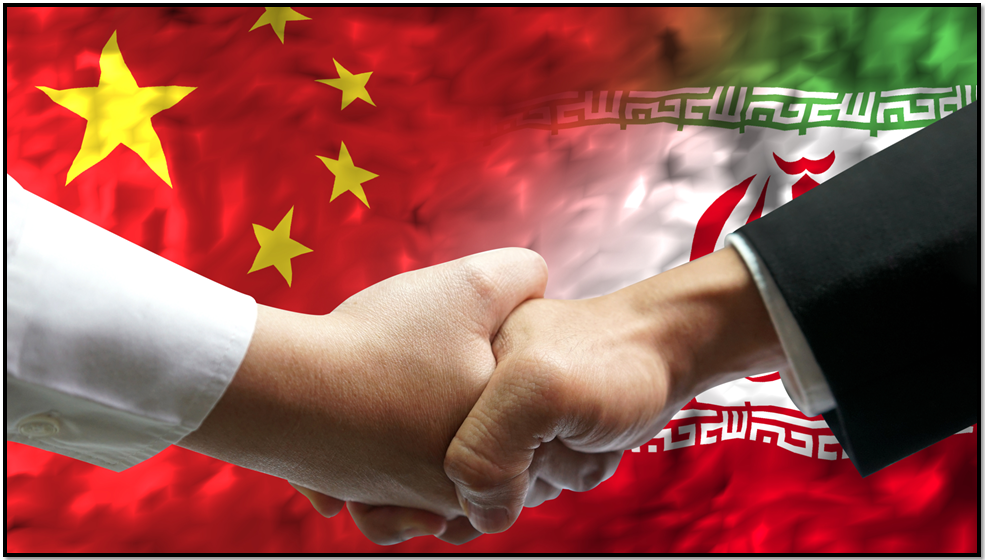
In the days following a fragile ceasefire between the US, Israel, and Iran, a new concern has emerged: US intelligence warnings that China may be preparing to quietly supply Iran with advanced air defense weapons. The claim—still unverified publicly—raises urgent questions about whether the ceasefire is a pause for peace or a window for strategic repositioning.
This article breaks down what’s known, what’s disputed, and why it matters for global stability.
What Is the US Intelligence Claim About China and Iran?
Recent intelligence assessments suggest China could be planning to transfer shoulder-fired anti-aircraft systems—commonly known as MANPADs—to Iran. These weapons are highly portable and effective against low-flying aircraft, making them especially dangerous in modern asymmetric warfare.
Why MANPADs Matter
MANPADs are not just another weapons category—they can shift battlefield dynamics quickly:
- They are easy to conceal and transport
- They can target helicopters, drones, and low-altitude jets
- They require minimal training compared to complex systems
During the recent five-week conflict, similar systems reportedly posed a serious threat to US aircraft. If reintroduced or upgraded, they could complicate any future military engagement.
How Credible Are the Allegations?
The intelligence cited in reports comes from unnamed sources familiar with internal assessments. That means:
- The information has not been independently verified
- No public evidence has been presented
- It remains a strategic warning, not a confirmed action
China has strongly denied the allegations, calling them “baseless” and accusing the US of sensationalism.
China’s Official Position
Chinese officials maintain that:
- They have not supplied weapons to any party in the conflict
- They are committed to de-escalation
- Their role has been diplomatic, not military
This denial aligns with China’s broader foreign policy approach—projecting neutrality while protecting economic interests.
Why Would China Support Iran?
Even if direct military aid remains unproven, the strategic logic behind closer China-Iran ties is clear.
Energy Dependence
China relies heavily on imported oil, and Iran remains a key supplier despite sanctions. Supporting Iran—even indirectly—helps secure long-term energy access.
Geopolitical Positioning
Backing Iran (quietly or diplomatically) allows China to:
- Counter US influence in the Middle East
- Strengthen alliances outside Western blocs
- Expand its global strategic footprint
Economic Partnerships
China and Iran have deep economic ties, including infrastructure investments and trade agreements. Military cooperation—if it exists—would be an extension of this relationship.
Why the Timing Raises Concerns
The alleged plans come just days after a ceasefire halted active fighting. That timing is critical.
Ceasefire as a Strategic Pause?
US intelligence reportedly believes Iran could be using the ceasefire to rebuild its military capabilities with help from allies.
This raises a key question:
Is the ceasefire a step toward peace—or a tactical break before the next phase?
Recent Battlefield Clues
- A US fighter jet was reportedly downed during the conflict
- The weapon used may have been a heat-seeking missile
- Iran claimed it used a “new” air defense system
While no direct link to China has been established, these details add to the suspicion.
Could China Be Using Covert Routes?
One of the more concerning elements of the report is the suggestion that any weapons transfer could occur through third countries.
Why Use Indirect Channels?
If true, this approach would allow China to:
- Maintain plausible deniability
- Avoid direct confrontation with the US or Israel
- Continue public claims of neutrality
This tactic is not new in global geopolitics. Countries often use intermediaries to supply sensitive materials while avoiding direct accountability.
What Experts Are Saying
Analysts remain cautious about drawing firm conclusions.
Key Expert Insights
- China is unlikely to openly enter the conflict
- Direct arms supply would mark a significant policy shift
- Beijing prefers strategic ambiguity over overt military involvement
So far, China has been accused mainly of supplying dual-use technologies—items that can serve both civilian and military purposes—but not direct weapons systems.
What This Means for the US and Its Allies
If the intelligence proves accurate, the implications are serious.
Military Risks
- Increased threat to US and allied aircraft
- Higher costs and complexity for future operations
- Greater risk of escalation
Diplomatic Fallout
- Strained US-China relations
- Reduced trust in ceasefire agreements
- Complications in upcoming diplomatic talks
Notably, a planned high-level meeting between US and Chinese leadership could now take place under heightened tension.
What Happens Next?
At this stage, several scenarios are possible:
Scenario 1: Allegations Remain Unproven
The situation de-escalates, and no weapons transfer occurs.
Scenario 2: Covert Support Continues
China maintains indirect support without public acknowledgment.
Scenario 3: Open Strategic Shift
China moves toward more explicit military backing—unlikely, but high-impact.
Each scenario carries different risks, but all point to one reality: the ceasefire is fragile.
TL;DR
- US intelligence suggests China may supply air defense missiles to Iran
- China denies the claims and insists it supports de-escalation
- The alleged weapons could significantly impact future conflicts
- Timing during a ceasefire raises strategic concerns
- No public evidence confirms the claims—yet