
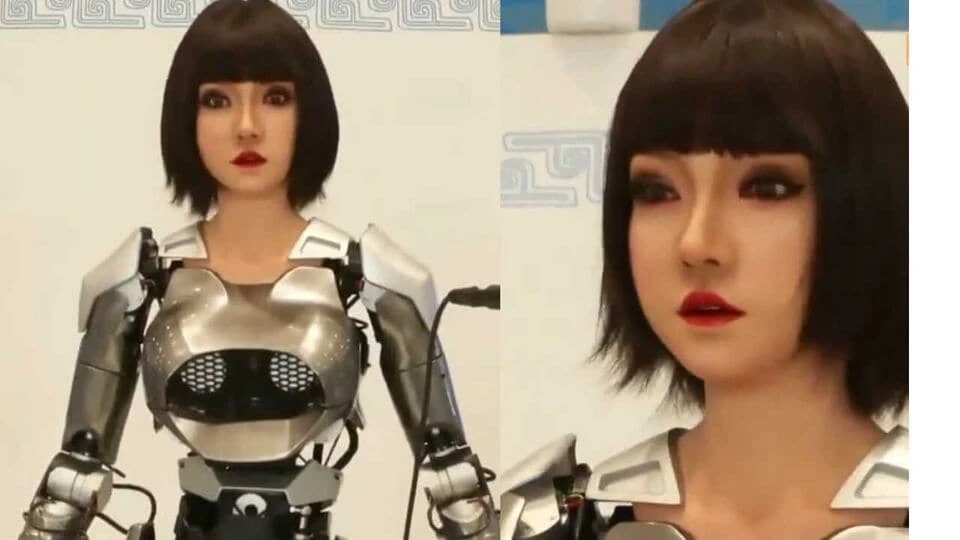
The upcoming Shanghai Cooperation Organisation (SCO) Summit in Tianjin, China, is not just a stage for global diplomacy—it is also a showcase of how artificial intelligence is reshaping high-level international events. Enter Xiao He, a humanoid robot designed to support journalists covering the summit. With advanced language skills, emotional recognition, and protocol-sensitive responses, Xiao He represents China’s ambition to integrate AI into global diplomacy.
What is the SCO Summit?
The Shanghai Cooperation Organisation (SCO), founded in 2001, has grown into one of the largest regional organizations in the world. Its full members now include China, Russia, India, Pakistan, Kazakhstan, Kyrgyzstan, Tajikistan, Uzbekistan, and Iran. Observer states such as Belarus, Afghanistan, and Mongolia further broaden their influence.
The annual summit serves as a critical platform for discussing security, economic cooperation, and regional stability. This year’s gathering, scheduled for August 31 to September 1 in Tianjin, is being billed as the largest in the organization’s history, with leaders from over 20 nations expected to attend.
Who is Xiao He?
Xiao He is a humanoid robot designed specifically to serve the needs of the SCO Summit. Unlike a typical AI chatbot or translation tool, Xiao He combines real-time information processing with a humanoid form, enabling direct interaction with delegates and journalists.
During a pre-summit demonstration, the robot introduced itself:
“I’m Xiao He, a cutting-edge humanoid AI assistant designed for the 2025 Shanghai Cooperation Organisation Summit in Tianjin. As a highly specialised service robot, I provide multilingual support, real-time information processing and protocol-compliant interaction capabilities.”
How does Xiao He work?
Xiao He is powered by a suite of AI systems optimized for international events. Its key features include:
- Multilingual support: Proficiency in at least three languages, ensuring smoother communication for foreign and domestic media.
- Emotional recognition: Advanced algorithms to interpret tone and emotional cues, allowing responses that feel more natural and context-aware.
- Adaptive learning: The ability to update and refine its knowledge base during the summit for accurate, up-to-the-minute assistance.
- Protocol compliance: Built-in understanding of diplomatic etiquette, ensuring that interactions remain respectful and culturally neutral.
- Information hub: Providing updates on summit logistics, media arrangements, and cultural showcases such as Tianjin’s traditional woodblock prints and craftsmanship exhibits.
Why does it matter for journalism?
For journalists covering international summits, navigating protocol-heavy environments can be challenging. Accessing information quickly and accurately often determines the quality of reporting. Xiao He addresses these challenges in several ways:
- Bridging language gaps: Multilingual support means journalists can bypass delays in translation.
- Reducing information bottlenecks: Instead of waiting for official briefings, reporters can receive real-time updates.
- Improving accessibility: The robot makes summit logistics clearer, from press seating arrangements to cultural activity schedules.
- Setting a precedent: Xiao He could serve as a blueprint for AI deployment at other global events like G20, BRICS, or the UN General Assembly.
The symbolism of Xiao He at the SCO Summit
The decision to feature Xiao He at the SCO Summit goes beyond convenience—it is a calculated projection of technological capability. By integrating humanoid AI into a major diplomatic event, China is positioning itself at the intersection of diplomacy and innovation.
This move signals:
- Soft power through technology: Demonstrating AI leadership to an international audience.
- Diplomatic modernization: Reinforcing the idea that multilateral diplomacy can adapt to technological change.
- National branding: Showcasing Tianjin not only as a host city but as a hub of cultural and technological advancement.
What’s at stake politically?
Beyond the AI showcase, the summit itself carries high diplomatic stakes. Indian Prime Minister Narendra Modi is expected to hold key bilateral meetings with Chinese Premier Xi Jinping and Russian President Vladimir Putin. These conversations could shape future alignments in Asia, especially given tensions in South Asia and the shifting balance of power post-Ukraine war.
The presence of Xiao He, therefore, is not just about helping journalists—it symbolizes the broader narrative that technology will increasingly shape how geopolitics is conducted and communicated.
The future of humanoid AI in diplomacy
Could humanoid robots become standard fixtures at international summits? Xiao He provides a glimpse into that possibility. If successful, such AI assistants could handle:
- Live translation at press conferences.
- Real-time fact-checking during speeches.
- Guided tours for delegates in host cities.
- Interactive cultural showcases for global media.
However, this future also raises questions about data security, information control, and reliance on AI in sensitive diplomatic environments. Independent experts are likely to debate whether such robots enhance transparency or serve as controlled gatekeepers of information.
Conclusion
The SCO Summit in Tianjin is not only a gathering of political heavyweights but also a stage for technological diplomacy. Xiao He, the humanoid robot assisting journalists, embodies this intersection—streamlining reporting while symbolizing China’s broader ambitions in AI.
As global leaders meet to negotiate security and economic cooperation, the presence of a humanoid assistant reminds us that diplomacy is evolving. The question is no longer whether AI will play a role in international relations, but how deeply it will shape the conversations of the future.