TL;DR
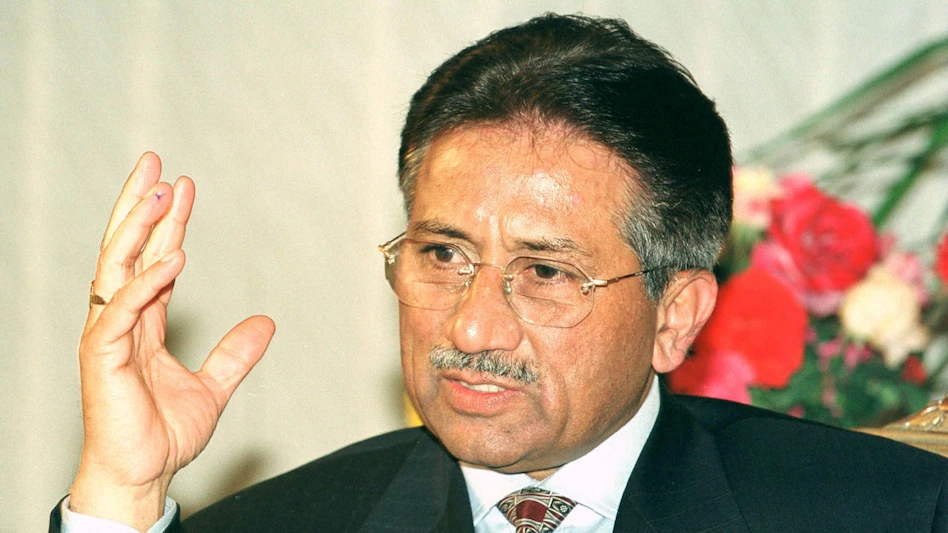
Former CIA officer John Kiriakou told Indian news agency ANI that the United States “purchased” Pervez Musharraf with millions in aid and, he alleges, that Musharraf handed control of Pakistan’s nuclear arsenal to the Pentagon in the early 2000s. The claim is explosive but uncorroborated in public official records; it demands rigorous fact-checking and sourcing beyond a single interview.
What did John Kiriakou say?
In an interview circulated by ANI, former CIA analyst and counterterrorism operative John Kiriakou said Washington had “very, very good” relations with Pervez Musharraf, that the US gave “millions and millions” in military and economic aid, and that, according to what he was told while stationed in Pakistan in 2002, the Pentagon had come to “control the Pakistani nuclear arsenal.” He added that the US effectively “purchased” Musharraf’s cooperation and that Pakistan’s military maintained ties to groups focused on India.
Why this claim matters
If true, the allegation that Musharraf transferred operational control of Pakistan’s nuclear forces to the United States would be a major development in modern nuclear history, affecting sovereignty, regional deterrence, and U.S.–Pakistan relations. It would also reshape how analysts view the post-9/11 security bargains the US struck with allies in South Asia. But extraordinary claims require extraordinary evidence: Kiriakou’s account is an interview recounting what he says he was told, not a declassified document or corroborated testimony.
Immediate implications if the claim were verified
- Questions about legal authority and chain of command for Pakistan’s nuclear forces.
- Possible diplomatic and constitutional fallout inside Pakistan.
- Reassessment of U.S. contingency planning in South Asia during the early 2000s.
What is the public record on Pakistan’s nuclear control under Musharraf?
Pakistan’s formal structure for nuclear command and control has long centered on the National Command Authority (NCA), which Pakistan says places final authority with civilian and military leadership within Pakistan. Western reporting and academic work after 2001 documented close U.S.–Pakistan security cooperation and contingency planning, but public, verifiable evidence that Pakistan ceded physical or operational control of its nuclear weapons to the Pentagon has not been produced in the declassified record. Past reporting shows both intense U.S. concern about nuclear security and Pakistani insistence on sovereign control.
How credible is Kiriakou’s testimony?
Kiriakou is a known former CIA analyst with experience in Pakistan and counterterrorism; his comments reflect an insider perspective. That said:
- He is speaking from memory and second- or third-hand reports in a media interview.
- The assertion that “the Pentagon controlled the Pakistani nuclear arsenal” is an extraordinary operational claim that would normally leave a trail of diplomatic cables, congressional briefings, or declassified contingency documents, none of which have been publicly released to back this specific formulation.
- Multiple reputable outlets have republished his interview, but republication is not independent verification.
What should journalists and readers do next?
- Treat the interview as an intelligence-source allegation, not a confirmed fact.
- Seek corroboration from primary documents: declassified U.S. diplomatic cables, Defense Department/Joint Staff memos, or testimonies from other officials serving in Islamabad at that time.
- Contact Kiriakou’s interviewer (ANI) for the full transcript or video and ask for any supporting documentation he referenced.
- Attempt to obtain comment from retired Pakistani and U.S. officials who managed nuclear command and from agencies that oversee nuclear security.
- Frame any publication responsibly: make clear what is alleged, what is sourced to Kiriakou, and what can or cannot be independently verified.
Context: Why the US and Pakistan had a fraught, transactional relationship
After 9/11, Pakistan became a frontline partner against al-Qaeda and the Taliban. Washington provided extensive military and economic assistance to Islamabad, sought basing and logistical cooperation, and—according to many analysts—accepted deals and compromises to keep Pakistan aligned. At the same time, Pakistan’s internal politics, the ISI’s ties to proxies, and the A.Q. Khan proliferation scandal made nuclear security a persistent worry for both capitals. Kiriakou’s account fits the pattern of intense US-Pakistani cooperation and mutual distrust, but it amplifies a claim about direct control that goes beyond previously published public records.
Bottom line
John Kiriakou’s interview presents a provocative assertion: that Musharraf allowed the United States to control Pakistan’s nuclear arsenal. The claim aligns with a broader narrative about transactional U.S.–Pakistan ties after 2001, but it currently rests on a single former official’s remarks, not on declassified documents or multiple corroborating witnesses. Responsible reporting requires distinguishing the allegation from fact, actively seeking primary documentation, and clearly telling readers what is verified and what remains alleged.