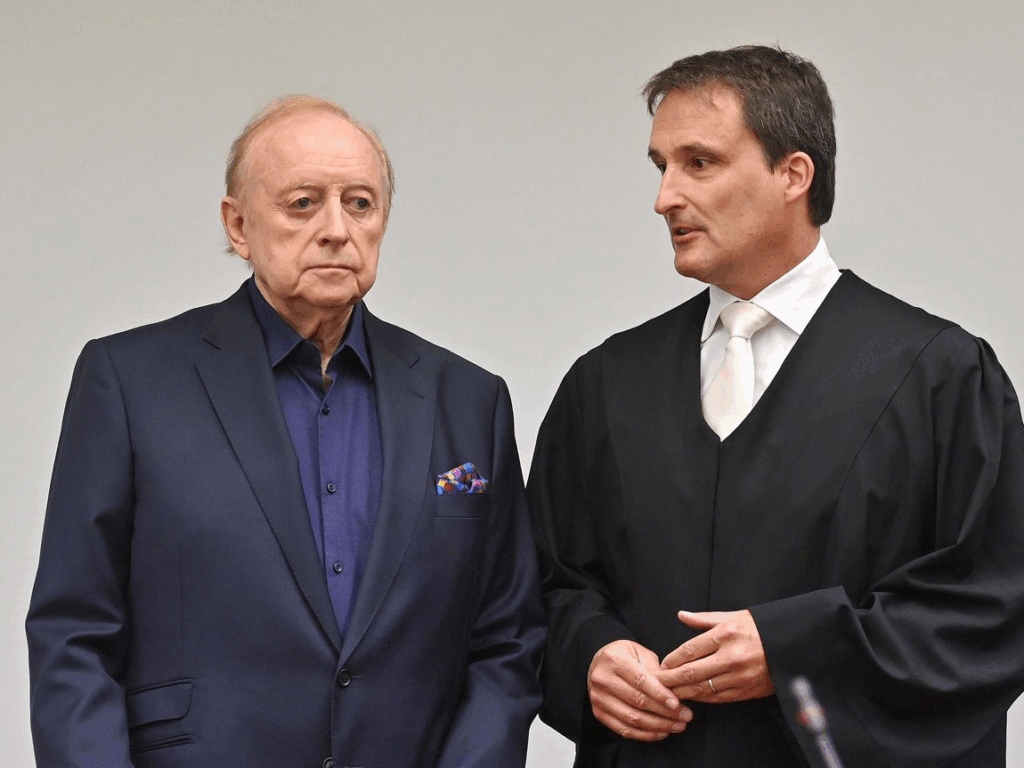
Celebrity chef Alfons Schuhbeck’s latest conviction adds to existing prison term for tax evasion
German celebrity chef Alfons Schuhbeck has been sentenced to four years and three months in prison by the Munich I Regional Court for delaying insolvency and committing fraud, including misuse of coronavirus aid. The 76-year-old restaurateur—once renowned for cooking for FC Bayern Munich and hosting A-list guests—was found guilty of operating insolvent catering businesses while continuing to conduct operations, causing significant financial harm to creditors.
The ruling marks another chapter in Schuhbeck’s fall from grace, following a prior conviction in 2022 for tax evasion, for which he was already serving a sentence of three years and two months.
Alfons Schuhbeck case: What did the court find?
Presiding Judge Uwe Habereder criticized Schuhbeck for running his businesses in a way “unbecoming of a businessman.” The court concluded that his companies had been insolvent for some time, yet he continued to operate them, ultimately exacerbating the financial damage.
“You’ve grown too big,” the judge told Schuhbeck, pointing to the fact that he had lost control over the corporate empire he had built.
The court’s verdict aligns with the prosecutor’s argument that Schuhbeck not only mismanaged his businesses but did so out of self-interest, particularly by exploiting government pandemic relief funds. The court viewed this as especially egregious, given the context of the national emergency caused by COVID-19.
Prosecutors sought a longer sentence
Prosecutors had requested a total prison sentence of four years and seven months, pressing charges that included:
- Intentional delay of insolvency
- Fraud
- Subsidy fraud related to COVID-19 aid
- Intentional bankruptcy
While the court handed down a slightly lower sentence, the ruling still represents a firm stance against white-collar crime, especially where public funds are involved.
Pandemic aid abuse is a key factor
A major aggravating element in the case was Schuhbeck’s misuse of coronavirus subsidies, meant to keep legitimate businesses afloat during lockdowns and closures. Prosecutors argued that Schuhbeck applied for and accepted these funds while knowing his businesses were no longer solvent and while attempting to preserve the appearance of a functioning enterprise.
The court accepted this assessment, with the judge condemning Schuhbeck’s actions as an abuse of a “national emergency.”
How does this sentence fit with his previous conviction
The latest ruling includes the prison time from Schuhbeck’s 2022 conviction for tax evasion. In that case, the court found that Schuhbeck had:
- Illegally withdrew cash from restaurant registers
- Failed to declare the income to tax authorities
- Caused damages estimated in the millions
At the time, that sentence was seen as a landmark ruling against celebrity impunity in Germany’s hospitality industry.
The new conviction does not replace but adds to the legal and reputational damage Schuhbeck faces. Given his age, this combined sentence may amount to the effective end of his professional life.
The downfall of a culinary icon
Once one of Germany’s most celebrated chefs, Schuhbeck’s story is a cautionary tale of ambition, mismanagement, and legal recklessness. Known for his television appearances, cookbooks, and high-end Bavarian eateries, Schuhbeck spent decades building a culinary empire that ultimately collapsed under the weight of debt and deceit.
According to the prosecution, Schuhbeck clung too long to the idea of preserving his “life’s work and appearances,” ultimately making decisions that harmed employees, creditors, and public trust.
What’s next?
Despite the sentence, Schuhbeck may still face additional legal proceedings or financial claims from creditors and tax authorities. His businesses are already undergoing liquidation, and any remaining assets may be used to compensate victims.
Whether Schuhbeck will appeal this latest conviction remains unclear. But for now, the court’s message is unmistakable: celebrity status does not shield anyone from accountability, especially when public money and economic crises are involved.