
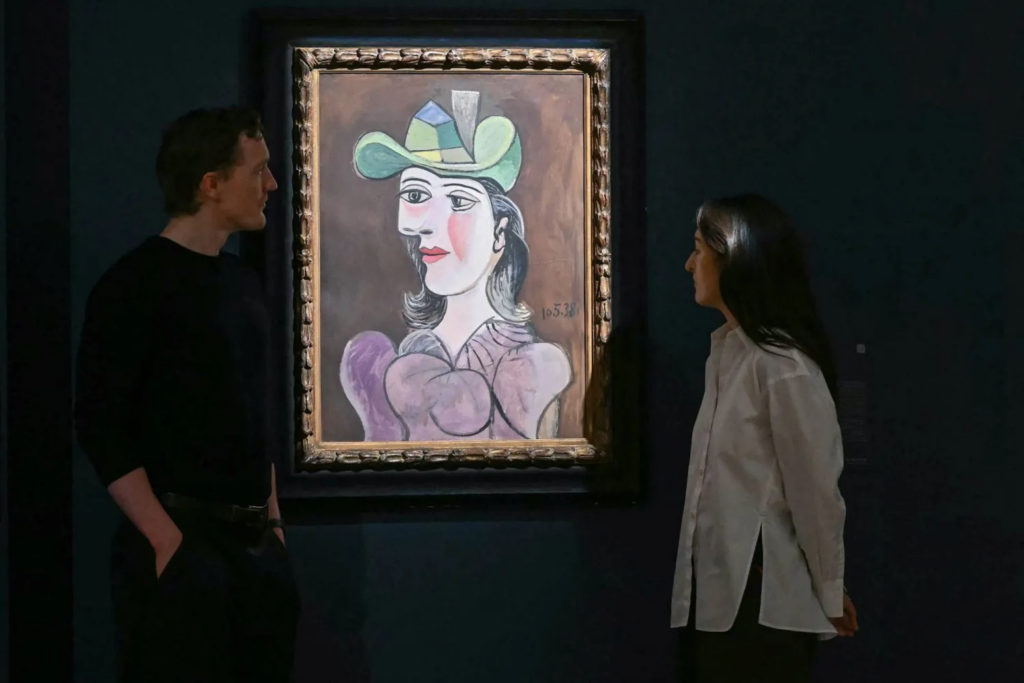
What began as a routine anti-drug operation in a suburb outside Paris quickly turned into an unexpected art world mystery after police reportedly uncovered an authentic painting by famed Spanish artist Pablo Picasso during a narcotics raid.
French prosecutors confirmed the discovery on Saturday, revealing that investigators found the artwork while executing a search warrant linked to an ongoing drug trafficking investigation in Champigny-sur-Marne, a commune located east of the French capital.
The surprise find has now triggered a separate criminal investigation as authorities work to determine how a genuine Picasso ended up in the possession of individuals suspected of involvement in organised drug activity.
How Was Picasso Discovered?
The artwork was found during a targeted police operation focused on narcotics trafficking.
According to reports from French newspaper Le Parisien, officers searched a property in Champigny-sur-Marne as part of an active anti-drug investigation. While authorities expected to recover illegal substances and evidence linked to trafficking networks, investigators instead stumbled upon something far more unusual—a painting later authenticated as a genuine work by Pablo Picasso.
The discovery immediately expanded the scope of the operation beyond narcotics enforcement and into the realm of art crime.
What Else Did Police Seize?
The raid reportedly yielded a range of items commonly associated with criminal investigations involving illicit profits.
Authorities seized:
- A quantity of cannabis resin
- Luxury designer clothing
- Several thousand euros in cash
- The authenticated Picasso painting
The combination of drugs, cash, luxury goods, and high-value artwork has raised questions about whether the painting may have been used to conceal, store, or transfer wealth connected to criminal activity.
Why Are Prosecutors Opening a Second Investigation?
The discovery of the painting prompted the public prosecutor’s office in Créteil to launch a parallel inquiry focused specifically on the artwork.
Key Questions Investigators Are Trying to Answer
Authorities are now examining:
- Whether the painting was stolen
- How it came into the possession of the suspects
- Whether it was purchased legally
- If it has been linked to previous art thefts
- Whether it was used in money laundering or other financial crimes
The investigation will focus on allegations related to theft, possession of stolen property, and handling stolen goods.
Art crimes often involve complex international networks, making provenance—the documented history of an artwork’s ownership—a critical part of the inquiry.
What Do We Know About the Picasso Painting?
At this stage, French authorities have released very few details about the artwork itself.
Title and Value Remain Secret
Judicial officials confirmed that experts authenticated the painting as a genuine work by Pablo Picasso, one of the most influential artists of the 20th century.
However, prosecutors have not disclosed:
- The painting’s title
- Its estimated market value
- Its size or medium
- The date it was created
- Its ownership history
The decision to withhold these details may be linked to the ongoing investigation and efforts to trace the artwork’s origins.
Why Picasso’s Works Are Frequent Targets
Picasso’s works are among the most sought-after pieces in the global art market.
His paintings regularly sell for millions of dollars at major auction houses, making them attractive targets for theft, illicit trade, and criminal schemes involving high-value assets.
Experts note that stolen artworks are not always sold openly. In some cases, they are used as collateral, bargaining chips, or stores of wealth within criminal networks.
What Happened to the Suspects?
The legal consequences of the raid were immediate.
According to prosecutors, four individuals arrested during the operation were brought before a judge under France’s expedited judicial process.
Charges Extend Beyond Drug Allegations
The suspects are expected to face proceedings related to:
- Narcotics trafficking allegations
- Possession of illegal substances
- Potential offenses connected to the recovered artwork
Investigators will determine whether any of the individuals knew the painting’s origin or whether they were involved in acquiring or concealing it.
The outcome of the art-related investigation could significantly influence any future criminal charges.
Why Is This Discovery So Unusual?
Police routinely uncover drugs, cash, luxury goods, and weapons during anti-trafficking operations. Finding a potentially valuable masterpiece by one of history’s most famous artists is far less common.
The case highlights the increasingly blurred lines between traditional organised crime and high-value financial assets.
Art and Criminal Networks
Law enforcement agencies around the world have long warned that fine art can be attractive to criminal organisations because:
- Artwork can hold enormous value in a relatively small space.
- Ownership records may be difficult to trace.
- Prices can fluctuate significantly.
- Transactions sometimes occur privately.
- Art can be moved across borders more discreetly than cash.
These characteristics have made stolen artwork a recurring feature in investigations involving organised crime, fraud, and money laundering.
What Happens Next?
Investigators will likely focus on tracing the painting’s provenance and identifying its legitimate owner, if one exists.
Authorities may also consult international databases of stolen art and work with museums, auction houses, collectors, and art crime specialists.
If the painting is determined to have been stolen, prosecutors will seek to establish when it disappeared and how it eventually surfaced during a drug raid in suburban Paris.
Until then, one of the operation’s biggest questions remains unanswered: how did a genuine Picasso end up alongside drugs, cash, and designer goods in a criminal investigation?
TL;DR
- French police discovered an authentic Picasso painting during a drug trafficking raid in Champigny-sur-Marne near Paris.
- The operation also uncovered cannabis resin, luxury clothing, and thousands of euros in cash.
- Prosecutors have opened a separate investigation into the artwork’s origins.
- Authorities have not revealed the painting’s title or value.
- Four suspects have been brought before a judge in connection with the case.
- Investigators are examining whether the artwork was stolen and how it came into the suspects’ possession.