
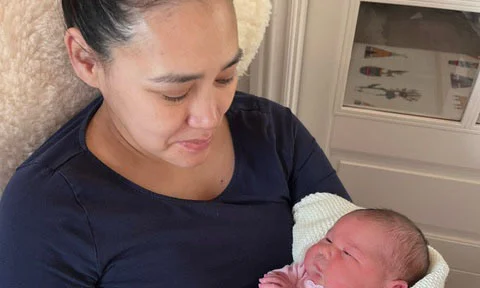
A growing international controversy is putting Denmark under scrutiny after the United Nations criticized the country’s use of parental competence tests—specifically in the case of a Greenlandic mother whose newborn was taken away shortly after birth.
At the center of the dispute is Keira Alexandra Kronvold, whose case has ignited debate over discrimination, Indigenous rights, and the limits of state intervention in family life.
What Is the Denmark Parental Competence Test Controversy?
The controversy revolves around a screening method known as the FKU (parental competence assessment), a tool used by Danish authorities to evaluate whether parents are fit to raise a child.
In Kronvold’s case:
- She underwent the FKU test shortly after giving birth
- Authorities deemed her unfit based on the assessment
- Her newborn daughter, Zammi, was removed from her custody
The UN has now raised concerns that such actions may be “discriminatory and disproportionate.”
Why This Matters
Parental competence tests are not unique to Denmark. But critics argue that
- They can be subjective
- They risk cultural bias
- They may disproportionately affect marginalized communities
Why Did the UN Intervene?
The issue escalated when Reem Alsalem, a UN special rapporteur, formally raised concerns with the Danish government.
Key Concerns Raised by the UN
- Possible violations of human rights
- Disproportionate impact on Greenlandic (Inuit) parents
- Potential ethnic discrimination
- Psychological harm caused by forced child separation
The UN’s communication, co-signed by multiple officials, signals that this is not viewed as an isolated case but as part of a broader systemic issue.
What Happened to Kronvold and Her Daughter?
Despite growing criticism and policy changes, Kronvold remains separated from her child.
Current Situation
- Her daughter is living with a Danish foster family
- Kronvold is only allowed supervised visits
- The case is ongoing in court
UN experts emphasized that removing a child without parental consent can:
- Cause lasting psychological trauma
- Undermine reproductive autonomy
- Disrupt family and cultural continuity
Why Are Indigenous Communities at the Center of This Debate?
A major dimension of the controversy is its impact on Greenlandic and Inuit populations.
Greenland, while part of the Kingdom of Denmark, has a distinct Indigenous identity. Critics argue that policies like the FKU test may not account for:
- Cultural differences in parenting
- Historical inequalities
- Linguistic and social barriers
What the UN Says
Alsalem highlighted that Indigenous women often face “intersecting forms of discrimination,” especially in:
- Healthcare systems
- Child welfare decisions
- Reproductive rights
These factors can compound, leading to outcomes that appear neutral on paper but discriminatory in practice.
Insight: This case echoes broader global debates about how state systems interact with Indigenous communities—often raising questions about who defines “fit parenting.”
Has Denmark Responded?
So far, Denmark’s response has been limited.
Current Status
- Denmark has banned the use of these specific parental competence tests following backlash
- The Danish social affairs ministry has confirmed receiving the UN’s letter
- No formal response has been issued yet
Complicating matters further, Denmark is currently without a sitting government following its March general election, slowing any immediate policy response.
What Legal and Policy Changes Could Follow?
Kronvold’s case is now being closely watched as a potential turning point.
Possible Outcomes
- Court rulings that reshape child custody standards
- Stronger protections for Indigenous families
- Increased international oversight of Denmark’s policies
- Reforms in how parental fitness is assessed
Her lawyer, Jeanette Gjorret, believes the case could set a precedent for other Greenlandic parents facing similar situations.
Why This Case Matters Beyond Denmark
This isn’t just a national controversy; it’s part of a broader global conversation.
Bigger Questions Raised
- Who decides what makes someone a “fit parent”?
- Can standardized tests fairly assess diverse cultural practices?
- Where should the line be drawn between child protection and parental rights?
Countries worldwide—including the U.S. and U.K.—use variations of child welfare assessments. But cases like this highlight the risks when those systems:
- Lack of cultural sensitivity
- Operate without sufficient oversight
- Disproportionately affects minority groups
What Happens Next?
The UN is continuing to monitor:
- Denmark’s official response
- The outcome of Kronvold’s court case
- Broader patterns in how such assessments are applied
Further action could include:
- Formal UN recommendations
- International pressure
- Inclusion in global human rights reviews
Meanwhile, Kronvold has made her position clear: she wants the FKU system completely abolished and replaced with policies that better protect Inuit families.
TL;DR
- The UN has criticized Denmark over controversial parental competence tests
- A Greenlandic mother, Keira Kronvold, lost custody of her newborn after undergoing the test
- UN officials say the practice may be discriminatory and violate human rights
- Denmark has since banned the tests, but the mother remains separated from her child
- The case could lead to major legal and policy changes affecting Indigenous rights