
Why Are French Streets Erupting in Protest?
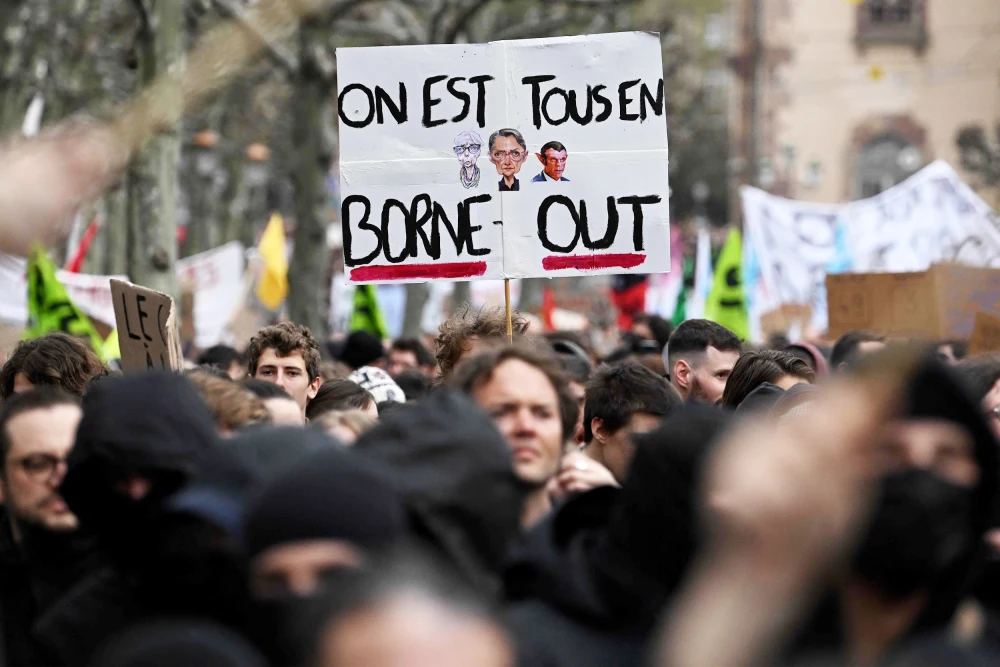
France is once again in turmoil. On September 10, thousands of demonstrators flooded the streets of Paris, Rennes, Marseille, and other cities in what activists branded the “Block Everything” movement. They blocked highways, torched buses, and clashed with riot police, all in defiance of President Emmanuel Macron’s austerity agenda.
Despite deploying an extraordinary 80,000 police officers nationwide, authorities struggled to contain the unrest. By nightfall, more than 200 people had been arrested. In Paris, tear gas lingered in the air as barricades of burning trash shut down sections of the capital. In Rennes, a torched bus underscored how quickly demonstrations had escalated. Rail and air travel faced widespread disruptions, rattling daily life across the country.
At its core, the protests reflect public fury over austerity measures designed to plug a €43 billion budget deficit. But the immediate spark was political: the dramatic resignation of Prime Minister François Bayrou after losing a confidence vote just days earlier.
How Did Political Upheaval Trigger the Unrest?
The government crisis began when Bayrou introduced a controversial cost-cutting plan that included:
- Freezing pensions.
- Reducing public holidays.
- Scaling back welfare benefits.
Unions called the proposals unfair and regressive, arguing they targeted working- and middle-class citizens while leaving corporations and wealthy taxpayers untouched. The backlash was swift: Bayrou lost a confidence vote in Parliament on September 8 and resigned.
President Macron responded by appointing Defense Minister Sébastien Lecornu as the new prime minister, the fourth in less than a year. Critics, however, dismissed the reshuffle as cosmetic. Far-left leader Jean-Luc Mélenchon insisted that only Macron’s resignation could restore public trust, while far-right National Rally president Jordan Bardella mocked Macron for “sticking with a losing team.”
The resignation may have toppled a prime minister, but it didn’t dissipate public anger. Instead, it supercharged a protest wave already brewing.
What Is the “Block Everything” Movement?
Emerging in the summer of 2024, “Bloquons Tout” (Block Everything) is a decentralized protest campaign coordinated through TikTok, X, and encrypted chat apps. Unlike traditional union-led strikes, it has no formal leadership, making it unpredictable and hard to suppress.
Organizers have encouraged a wide range of disruptive tactics:
- Roadblocks and barricades.
- Strikes across transportation and aviation sectors.
- Consumer boycotts.
- Coordinated cash withdrawals to strain banks.
The strategy mirrors the Yellow Vest protests of 2018–2019, which began as opposition to fuel taxes but evolved into a broader challenge to Macron’s presidency. Like the Yellow Vests, Block Everything thrives on grassroots energy rather than centralized control.
Unions have been quick to emphasize that Bayrou’s departure changes little. In a statement, the Sud-Rail union argued, “His resignation is not a victory; it’s just a step. The austerity plan is still very much alive.”
How Are Protests Disrupting Daily Life?
The demonstrations have created ripple effects far beyond the protest sites themselves:
- Public transit: The RER B line connecting Paris to Charles de Gaulle Airport was temporarily halted, leaving travelers scrambling. While RATP claimed metro and tram services were running normally, sudden blockades caused severe delays.
- Air travel: Airline unions staged walkouts. The French Civil Aviation Authority issued advisories for Marseille, Nice, Bastia, and Ajaccio airports, warning of cancellations and delays.
- Rail travel: Disruptions spread to southwestern train routes after protestors damaged a power line. Eurostar services between Paris and London continued but advised passengers to budget extra time.
- Local disruptions: Cities like Rennes and Lyon reported vehicle fires and blocked roads, complicating daily commutes and emergency services.
For many French citizens, the unrest evokes memories of the Yellow Vest crisis, which at its height paralyzed entire regions and reshaped Macron’s presidency.
Why Macron Faces Intensifying Pressure
Macron has long argued that fiscal discipline is necessary to rein in France’s swelling debt. Yet critics say the cuts fall disproportionately on ordinary workers and retirees.
The core grievances fueling the protests include:
- Economic burden: Pension freezes and welfare reductions hit the most vulnerable hardest.
- Perceived inequity: Protestors accuse Macron of shielding corporations and high earners.
- Political instability: Four prime ministers in twelve months has shaken confidence in the president’s leadership.
With opposition leaders demanding his resignation and public discontent deepening, Macron faces a dual crisis: repairing credibility at home while ensuring international markets remain confident in France’s economic stability.
What Could Happen Next?
The “Block Everything” movement shows no signs of fading. Organizers are already planning strikes and boycotts in the coming weeks. If momentum continues, France could see:
- Prolonged transport and economic disruption.
- Intensified clashes between protestors and police.
- Rising pressure from both the left and right for Macron to abandon austerity — or step down.
The government’s options are limited. Concessions risk deepening the budget deficit, while doubling down could escalate unrest. Macron, who has survived crises before, now faces perhaps the most serious test of his presidency since the Yellow Vests shook France five years ago.
TL;DR
France is engulfed in protests after Prime Minister François Bayrou’s resignation and President Macron’s push for austerity measures to close a €43 billion deficit. The decentralized “Block Everything” movement is disrupting transport, sparking violent clashes, and putting Macron’s leadership under unprecedented pressure.