
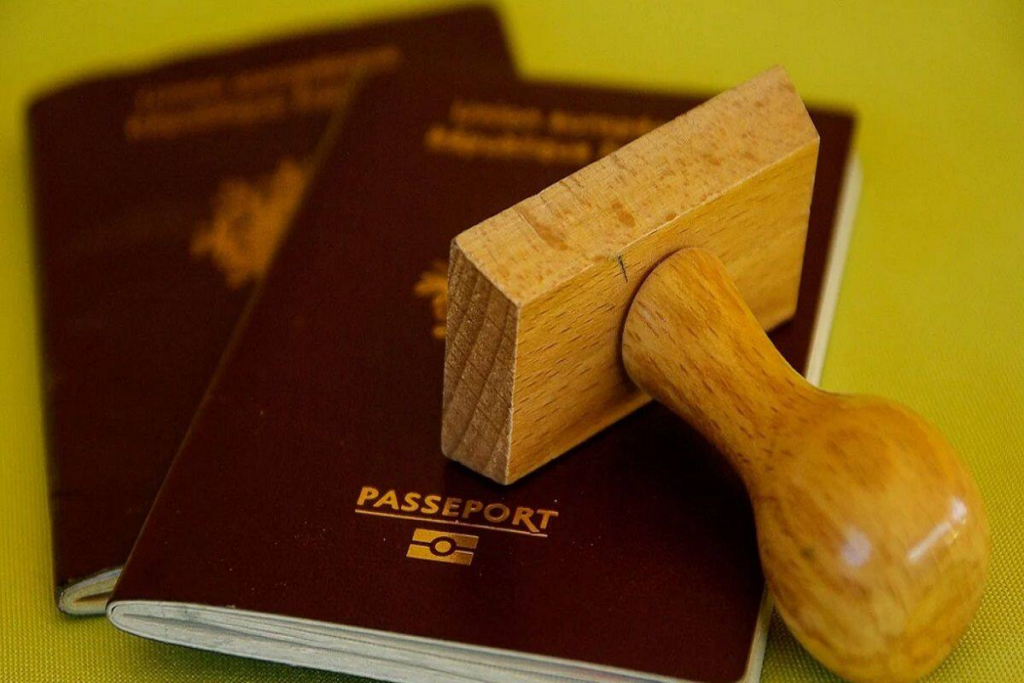
The Global Passport Index 2026 is out, and Europe continues to lead the rankings, with Sweden claiming the title of the world’s strongest passport. The latest report shows that nine of the top 10 passports belong to European countries, reflecting the region’s continued strength in global mobility, quality of life, and investment opportunities.
For India, however, the news is less encouraging. The Indian passport slipped one place to 125th among 197 countries and territories, while China ranked 104th and Pakistan remained near the bottom at 188th.
Unlike traditional passport rankings that focus primarily on visa-free travel, the Global Passport Index (GPI) evaluates passports using a broader set of criteria, making it a more comprehensive measure of global mobility and opportunity.
What is the Global Passport Index?
The Global Passport Index (GPI) is published annually by Global Citizen Solutions (GCS), a residency and citizenship advisory firm.
Unlike passport rankings that rely almost entirely on visa-free travel access, the GPI measures how valuable a passport is across multiple aspects of global living.
The 2026 rankings are based on three weighted pillars:
- Enhanced Mobility (50%)
- Investment Opportunities (25%)
- Quality of Life (25%)
Together, these categories are assessed using 14 different indicators.
The report draws data from internationally recognized institutions, including:
- World Bank
- World Economic Forum
- Sustainable Development Report
A comparison chart showing how the Global Passport Index differs from other passport rankings would help readers understand its broader methodology.
Why does this ranking matter?
A passport is more than a travel document.
While governments define passports primarily as proof of identity for international travel, their practical value often reflects broader national strengths such as diplomatic relationships, economic stability, business opportunities, and quality of life.
A stronger passport generally provides:
- Easier international travel.
- Better relocation opportunities.
- Greater investment flexibility.
- Improved access to global markets.
Because the Global Passport Index considers these broader factors, it offers a different perspective than rankings focused solely on visa-free destinations.
Where does India rank in 2026?
India is ranked 125th among 197 passports in this year’s index.
That represents a one-place decline from its 124th position in 2025.
According to the report:
- India’s overall composite score reached 45.1, its highest in five years.
- Indian passport holders receive visa-free access to 26 destinations.
- Citizens still require visas for many major travel destinations, including the United States, United Kingdom, Germany, France, China, and the United Arab Emirates.
Among nearby rankings:
- Namibia occupies 124th place.
- Azerbaijan follows India at 126th.
Although India’s score has improved over the longer term, its global position reflects increasing competition from other countries.
How do India, China and Pakistan compare?
Among South Asian and neighboring countries, China remains well ahead of India in this year’s rankings.
| Country | Global Passport Index 2026 Rank |
|---|---|
| China | 104 |
| Maldives | 107 |
| India | 125 |
| Bhutan | 132 |
| Sri Lanka | 141 |
| Nepal | 164 |
| Pakistan | 188 |
| Afghanistan | 197 |
Pakistan remains among the world’s lowest-ranked passports, while Afghanistan occupies the final position in the rankings.
Which countries have the strongest passports?
Europe once again dominates the list.
The world’s 10 strongest passports in 2026 are:
- Sweden
- Switzerland
- Finland
- Germany
- Netherlands (tie)
- Denmark (tie)
- Ireland
- United Kingdom
- Norway
- Singapore
Singapore is the only non-European country to appear in the top 10.
A world map highlighting the top 10 passport rankings would make this section more engaging.
Which countries have the weakest passports?
The lowest-ranked passports in the Global Passport Index 2026 are:
- Sudan
- Republic of the Congo (Congo-Brazzaville)
- Central African Republic
- Democratic Republic of the Congo
- Eritrea
- Syria
- Yemen
- South Sudan
- Somalia
- Afghanistan
Many of these countries continue to face prolonged political instability, armed conflict, economic challenges, or limited diplomatic agreements that affect international mobility.
Why does Europe continue to dominate?
Several factors contribute to Europe’s consistent performance in passport rankings.
Many European countries benefit from:
- Strong diplomatic ties.
- Extensive visa waiver agreements.
- Stable economies.
- High living standards.
- Attractive investment environments.
- Membership in the Schengen Area, which facilitates free movement across much of Europe.
These advantages improve both travel freedom and overall quality-of-life indicators used in the Global Passport Index.
How is this index different from visa-free rankings?
Many well-known passport rankings, including the Henley Passport Index, primarily measure the number of destinations accessible without obtaining a visa beforehand.
The Global Passport Index takes a broader approach by evaluating how useful a passport is for people seeking to:
- Live abroad.
- Invest internationally.
- Build businesses.
- Access high-quality healthcare and education.
- Enjoy greater economic freedom.
As a result, countries with similar visa-free access may rank differently depending on their broader economic and social indicators.
What does India’s ranking mean?
India’s slight decline does not necessarily indicate weaker international standing.
Instead, it reflects changes across multiple indicators and improvements made by other countries.
Its highest composite score in five years suggests progress in several measured areas, even though its overall position slipped by one place.
For Indian travelers, visa requirements for many major economies continue to influence the passport’s global ranking.
The bottom line
The Global Passport Index 2026 reinforces Europe’s leadership in global mobility, with Sweden topping the rankings and nine European countries occupying the world’s top 10 passports.
India ranks 125th this year, while China stands at 104th and Pakistan at 188th. Because the index evaluates mobility, investment opportunities, and quality of life together, it provides a broader picture of a passport’s overall value beyond visa-free travel alone.
TL;DR
- Sweden has the world’s strongest passport in the Global Passport Index 2026.
- Europe occupies nine of the top 10 positions.
- India ranks 125th, down one place from last year.
- China is ranked 104th, while Pakistan is 188th.
- The index measures mobility, investment opportunities, and quality of life instead of visa-free travel alone.