
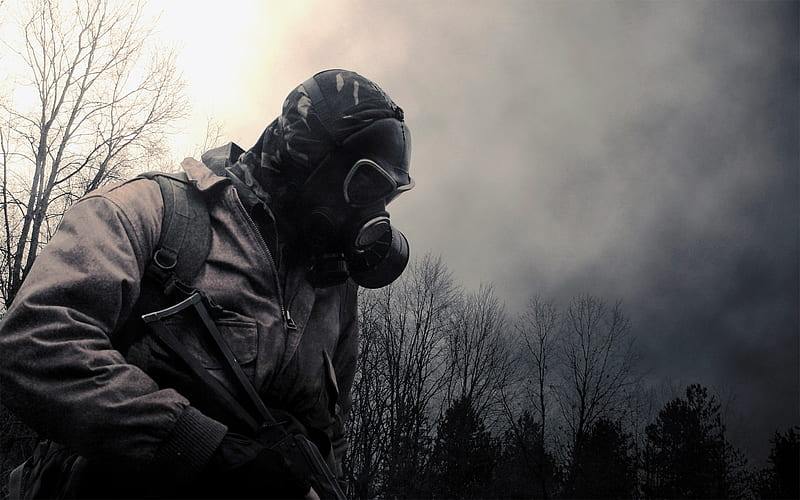
When war breaks out, chaos isn’t far behind. Explosions, displacement, power cuts, and misinformation can upend daily life in an instant. Whether it’s a sudden regional conflict or part of a broader global crisis like a World War, your best defense is preparation. This guide offers grounded, actionable steps to help you stay safe during wartime.
Why should you prepare for World War, even if it feels unlikely?
Most people don’t expect a world War to reach their doorstep until it does. But in an age of shifting alliances, drone warfare, and cyberattacks, conflict can escalate quickly and unpredictably. Whether you live near potential military targets or in a country that might be drawn into war, the time to prepare is before danger strikes.
Preparing isn’t panic, it’s prevention. And it can mean the difference between life and death.
What risks should you assess based on your location?
Every war zone is different, and geography plays a huge role in your strategy. Ask:
- Are you close to likely targets such as military bases, airports, government buildings, or power stations?
- Is your region prone to airstrikes, street-level fighting, or nuclear threats?
- Could martial law be declared?
If you live in or near a high-risk area, your response plan should include a contingency for a rapid evacuation. If you’re in a rural or lower-profile location, sheltering in place might be safer.
How can you stay informed and avoid misinformation?
In war, bad information can be as deadly as bullets. Stick to reliable sources.
- Government alerts via FM/AM radios, verified mobile apps, or official social media accounts.
- Local news with verified correspondents on the ground.
- Emergency broadcast services, such as FEMA alerts in the U.S.
Avoid rumors on WhatsApp, Telegram, or unverified social media accounts—these often spread panic or misinformation about fake evacuation routes.
How do you build a safe shelter or find one nearby?
Not everyone has access to a bomb shelter. But there are ways to make your home—or a nearby building, more secure:
- Best locations: Basements, underground parking garages, or reinforced interior rooms.
- Avoid: Top floors, rooms with windows, or places near gas lines.
- Prepare for the long haul: Store at least 14 days’ worth of food, water, and essential supplies. Ventilation and hygiene matter just as much as security.
If your government provides a civil defense shelter locator, keep the closest locations saved offline. Consider adding directional arrows or maps in your home for quick access.
What should be in your World War emergency kit?
War zones strain supply chains fast. You can’t rely on stores staying open or stocked. Your emergency kit should be portable, compact, and ready to go. Essentials include:
- Food & water: Two weeks of non-perishable items; 1 gallon of water per person per day.
- First aid: Bandages, antiseptics, prescription meds, inhalers, and painkillers.
- Power & light: Battery-powered flashlight, spare batteries, solar charger, power bank.
- Documents: Passports, ID cards, cash (local and U.S. dollars), utility bills, birth certificates.
- Hygiene: Sanitary napkins, soap, toothbrush, waste bags, and masks.
- Warmth: Thermal blanket, socks, gloves, waterproof layers.
How can you plan your evacuation route?
You need at least two exit plans: one by road, and one on foot.
- Know the roads. Use physical maps—GPS might fail. Avoid main highways during airstrikes or military deployments.
- Set meetup points. Choose safe reunion spots in case family gets separated.
- Keep your car ready. Full tank, spare tire, paper map, and tools.
- Know when not to leave. If the fighting is local and you’re not near an escape route, sheltering may be safer than fleeing into active conflict.
Why is staying low-profile crucial in wartime?
Drawing attention can make you a target.
- Dress neutral. No military colors, insignias, or even camo patterns.
- Avoid large groups. Crowds attract surveillance and bombings.
- Stay indoors during operations. Use blackout curtains and keep noise to a minimum.
- Don’t post online. Sharing your location or photos of troop movements can put you—and others—in danger.
This also protects you from being mistaken for a combatant or sympathizer.
What should you do during bombings or shelling?
Seconds count. Your body’s instinct may be to run, but that can be fatal.
- If outside and exposed: Drop flat, face down, feet toward the blast. Cover your head.
- If indoors: Head to the lowest, most central room. Stay away from windows.
- Don’t go to the bombing site. Secondary strikes and drone surveillance are common tactics.
How do you spot scams and protect against exploitation?
War breeds criminals.
- No payments for “safe passage.” These are often fake or, worse, ambushes.
- Avoid unknown aid groups. Stick with established names like UNHCR, ICRC, or Doctors Without Borders.
- Don’t hand over valuables or personal info to anyone who isn’t verified.
Why communication plans are as vital as shelter
In a war zone, you might be cut off for days or weeks.
- Set daily check-ins with relatives or friends in safer areas.
- Use coded messages to indicate danger or safety.
- Keep backups: Old cell phones with charged batteries, printed contact lists, and analog radios.
Knowing someone is tracking your safety helps rescuers and protects your mental state.
How can you protect your mental health?
Fear, isolation, and stress take a toll. But survival isn’t just physical—it’s psychological.
- Stick to routines. Wake, eat, and sleep at regular times.
- Talk, even briefly. To family, neighbors, or via ham radio.
- Find distractions. A book, a journal, or even drawing can ground your mind.
- Limit doomscrolling. Too much exposure to tragedy can paralyze decision-making.
If available, look into local or international mental health hotlines that operate during crises. For U.S. readers, SAMHSA’s Disaster Distress Helpline is a 24/7 option.
Final thought
You can’t stop a war from reaching your city. But you can control how ready you are to survive it. Preparation isn’t paranoia—it’s peace of mind. Whether you’re sheltering with your family or fleeing a war-torn area, the keys to survival remain the same: stay informed, stay discreet, and stay human.