TL;DR: The Indian government has told the Supreme Court that its ambitious 20% ethanol blending program is still in an experimental phase, with meaningful results expected by next year. The statement came during a legal dispute over ethanol allocation and sheds new light on how policymakers are evaluating one of India’s biggest fuel-transition initiatives. While the government insists the long-term policy remains unchanged, the case highlights growing questions about fuel supply, legal oversight, and the practical challenges of scaling ethanol across the country.
Why Did the Indian Government Call the 20% Ethanol Blending Program an Experiment?
India’s plan to increase 20% ethanol blending in gasoline has long been presented as a cornerstone of its clean energy strategy. But in a significant development, the Indian government has now described the initiative as an ongoing experiment while addressing the Supreme Court.
Attorney General R. Venkataramani made the statement during arguments in a case involving Bharat Petroleum Corporation Limited (BPCL), saying that the government is still assessing how the program performs in real-world conditions.
“Twenty per cent ethanol blending is something that the government is experimenting with. By next year, we will have results,” he told the court.
The remark offers an unusually candid assessment of a policy that has become central to India’s efforts to reduce oil imports, support domestic agriculture, and lower vehicle emissions.
Rather than signaling a policy reversal, however, government officials later clarified that the blending target itself remains unchanged.
What Is the Supreme Court Case About?
The government’s remarks came during a legal challenge filed by BPCL against a Karnataka High Court order concerning ethanol allocation for the 2025-26 supply year.
Why BPCL Went to Court
BPCL argued that the High Court’s decision on ethanol allocation could interfere with the central government’s nationwide fuel-blending objectives.
According to the company, disruptions in ethanol supply could make it more difficult to meet blending targets across India’s fuel distribution network.
The case is about more than one company’s supply allocation. It raises broader questions about how ethanol should be distributed among fuel retailers while balancing state-level court orders with national energy policy.
Why Did the Supreme Court Question BPCL?
During the hearing, the Supreme Court questioned why BPCL had approached the country’s highest court instead of first appealing before a division bench of the Karnataka High Court.
The Attorney General responded that the issue extends beyond a single state’s jurisdiction.
He argued that:
- Ethanol supply contracts had already been finalized in October 2025.
- Similar legal disputes are pending before multiple High Courts.
- The matter has implications for India’s national fuel policy.
Because of those broader implications, he sought permission to file a transfer petition so similar cases could be heard together.
The exchange highlights how legal disputes over ethanol allocation could influence implementation of a nationwide energy strategy.
Is India Changing Its 20% Ethanol Blending Policy?
Short answer: No.
Following the hearing, Attorney General Venkataramani clarified that describing the program as an experiment should not be interpreted as uncertainty about the government’s long-term objective.
Instead, he explained that:
- The 20% ethanol blending target remains government policy.
- Ethanol availability may fluctuate depending on production levels.
- Supply decisions will continue to depend on demand and other market conditions.
In other words, the government is evaluating implementation—not reconsidering the overall goal.
That distinction matters because it reassures fuel companies, farmers, and investors that India’s long-term roadmap remains intact, even if execution continues to evolve.
What Is the 20% Ethanol Blending Program?
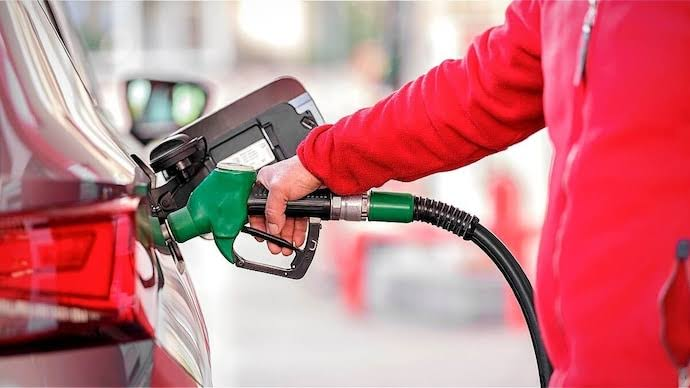
The ethanol blending program mixes ethanol—a renewable alcohol produced primarily from sugarcane and food grains—with gasoline.
The policy aims to reduce dependence on imported crude oil while increasing the use of domestically produced renewable fuel.
Supporters say the initiative offers several benefits:
- Lower crude oil imports
- Reduced greenhouse gas emissions
- Additional income opportunities for farmers
- Greater energy security
- Expanded domestic biofuel production
India has steadily increased ethanol blending over the past several years, making the 20% target one of the country’s most ambitious renewable fuel initiatives.
Why Is the Government Still Evaluating the Program?
Large-scale fuel policy changes rarely produce immediate answers.
Although ethanol blending has expanded rapidly, policymakers are still studying several key questions.
Vehicle Performance
Officials continue evaluating how higher ethanol concentrations affect different categories of vehicles, especially older models.
Fuel Supply
Maintaining consistent ethanol production is challenging because agricultural output can vary with weather, crop yields, and competing demand.
Economic Impact
The government is also assessing:
- Production costs
- Fuel pricing
- Supply chain efficiency
- Storage and transportation infrastructure
Environmental Outcomes
Supporters argue ethanol reduces emissions, but researchers continue examining its full environmental footprint, including water consumption, land use, and lifecycle emissions.
The government’s statement suggests these evaluations are ongoing and that more comprehensive data should be available next year.
Why This Court Case Matters Beyond BPCL
At first glance, the dispute appears to concern ethanol allocation for one fuel company.
In reality, it touches on much broader issues.
The case could shape how India balances:
- National energy policy
- State-level judicial decisions
- Fuel supply management
- Competition among oil marketing companies
- Agricultural production planning
If multiple courts issue differing rulings on ethanol allocation, implementing a nationwide blending policy could become significantly more complicated.
That explains why the government is seeking a unified legal approach.
What Happens Next?
Several developments are worth watching over the coming year.
These include:
- Supreme Court proceedings involving ethanol allocation.
- The government’s expected evaluation of the experimental phase.
- Future ethanol production levels.
- Progress toward maintaining the 20% blending target.
- Any policy adjustments based on new data.
The government’s own timeline suggests that by next year, policymakers expect to have clearer evidence about how effectively the program is working at scale.
Why This Matters for Consumers
For most drivers, nothing changes immediately at the gas pump.
However, the outcome of this legal and policy process could influence:
- Fuel availability
- Long-term energy security
- India’s dependence on imported oil
- Agricultural demand for ethanol feedstocks
- Future renewable fuel policies
As governments around the world seek alternatives to fossil fuels, India’s experience may also provide lessons for other countries considering higher biofuel blending mandates.
The Supreme Court proceedings, therefore, represent more than a legal dispute—they offer a window into how governments test, refine, and implement large-scale energy transitions in real time.