
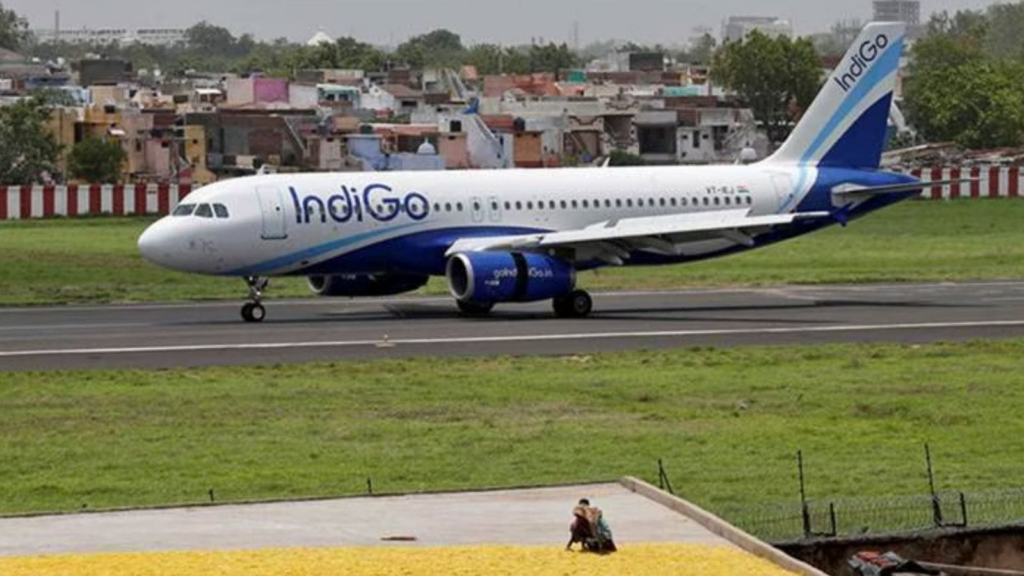
The sudden closure of Iranian airspace has thrown international aviation into turmoil, disrupting flight paths across Asia, Europe, and the Middle East. For Indian travelers, the impact became clear when a Delhi-bound aircraft from Georgia crossed Iranian skies just hours before Tehran ordered a sweeping shutdown—leaving airlines scrambling and passengers facing delays, diversions, and cancellations.
The Iranian airspace closure is more than a routing headache. It’s a reminder of how geopolitical flashpoints can ripple through global travel networks in real time.
What Happened With the Iranian Airspace Closure?
In the early hours of Thursday, Iran issued a Notice to Airmen (NOTAM) ordering the closure of its entire airspace to most commercial flights. The directive took effect at 22:15 UTC (3:45 am IST on January 15), grounding or diverting aircraft mid-journey and effectively emptying the skies over Iran and parts of neighbouring Iraq.
A Narrow Escape for One Flight
According to Flightradar24 data, IndiGo flight 6E1808 departed Tbilisi at 11:29 am on Wednesday and landed in Delhi at 7:03 am Thursday. The aircraft crossed Iranian airspace at around 2:35 am, narrowly clearing the corridor before the shutdown kicked in.
Within minutes of the order, live flight-tracking maps showed commercial traffic rapidly thinning—a visual marker of just how abruptly the decision was enforced.
Why Did Iran Shut Its Airspace?
The immediate trigger was escalating unrest inside Iran. The shutdown followed weeks of nationwide protests and a violent crackdown by authorities.
Escalating Internal Unrest
- Protests reportedly began on December 28
- More than 2,400 protesters have been killed in the past two weeks, according to reports cited by international media
- Iranian authorities have framed the measures as necessary for national security
Iran has a history of closing its airspace during periods of conflict. Similar restrictions were imposed during:
- The June conflict with Israel
- Periods of escalation during the Israel–Hamas war
This time, however, the closure coincides with heightened international tension—fueling broader concerns beyond Iran’s borders.
Why Iranian Airspace Matters So Much to Global Aviation
Iran sits astride one of the world’s most important east–west aviation corridors. Flights between Europe and South Asia routinely pass through Iranian airspace because it is:
- Fuel-efficient
- Time-saving
- Operationally stable—at least under normal conditions
What Happens When That Corridor Closes?
When Iranian airspace closes, airlines must reroute flights over alternatives such as:
- The Caspian Sea
- The Arabian Peninsula
- Longer southern routes over the Indian Ocean
These detours can mean:
- Longer flight times (sometimes by 1–3 hours)
- Higher fuel costs
- Crew duty-time complications
- Increased risk of cancellations for ultra-long-haul flights
An infographic comparing “Normal Route vs Rerouted Path” would add clarity here.
How Indian Airlines Are Responding
Indian carriers were quick to issue advisories as the Iranian airspace closure began affecting schedules.
IndiGo
- Confirmed that several international services are impacted
- Offering rebooking options or refunds for affected passengers
- Advising travelers to monitor flight status closely
Air India
- Rerouting flights where possible, leading to longer travel times
- Cancelling some services that cannot be rerouted safely
- Notably, some US-bound flights have been canceled
SpiceJet
- Warned of possible disruptions
- Urged passengers to confirm flight details before arriving at airports
What Passengers Should Expect Next
For travellers, the immediate effects are logistical and stressful.
Short-Term Impacts
- Delays on international routes to Europe, Central Asia, and North America
- Last-minute gate changes and altered arrival times
- Increased congestion on alternative air corridors
What Passengers Can Do
- Check airline advisories frequently
- Allow extra buffer time for connections
- Understand refund and rebooking policies before traveling
While refunds may soften the financial blow, many passengers argue that they don’t compensate for missed events or disrupted plans—a frustration increasingly voiced on social media.
Is This About More Than Aviation?
The airspace closure has also triggered speculation about a wider military escalation.
Rising Geopolitical Tensions
- Iran’s armed forces have reportedly been placed “on standby”
- The United States has withdrawn troops from its largest Middle East base
- A Western military official told international media that an attack on Tehran “could be imminent,” though such signals are often used as strategic pressure
Importantly, analysts caution against reading airspace closures as definitive proof of impending conflict. These moves are sometimes designed to keep adversaries guessing rather than signaling immediate action.
How Long Could the Iranian Airspace Closure Last?
Iran has already extended the shutdown, suggesting the disruption may not be brief.
Key Factors That Will Shape Reopening
- Stability—or escalation—of internal protests
- Regional military developments
- Diplomatic signals from Tehran and Western governments
Historically, Iranian airspace closures have lasted anywhere from days to weeks, depending on the severity of the situation.
Why This Matters Beyond One Region
The Iranian airspace closure underscores a fragile reality: global aviation depends on geopolitical stability more than most passengers realize.
A single NOTAM issued overnight can:
- Affect thousands of flights
- Disrupt supply chains
- Push up airline operating costs
- Cascade into delays across continents
In an industry still recovering from pandemic-era shocks, these disruptions carry both economic and operational consequences.
TL;DR
- Iran abruptly closed its airspace early Thursday, disrupting global aviation
- An IndiGo flight from Georgia to Delhi crossed Iranian skies just hours before the shutdown
- Indian airlines are rerouting, delaying, or cancelling international flights
- The closure reflects escalating unrest inside Iran and rising regional tensions
- Passengers should expect delays and closely monitor airline advisories