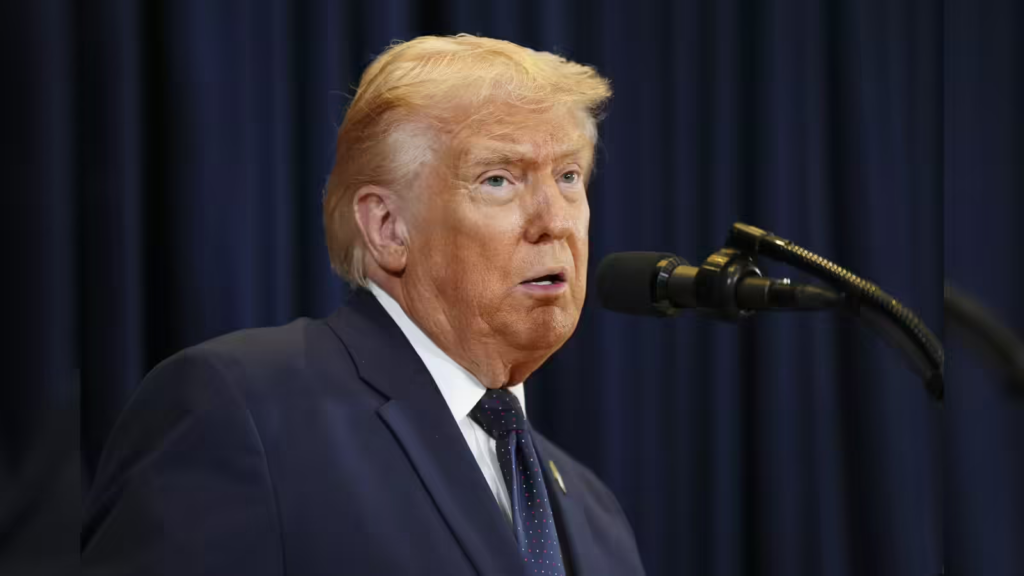
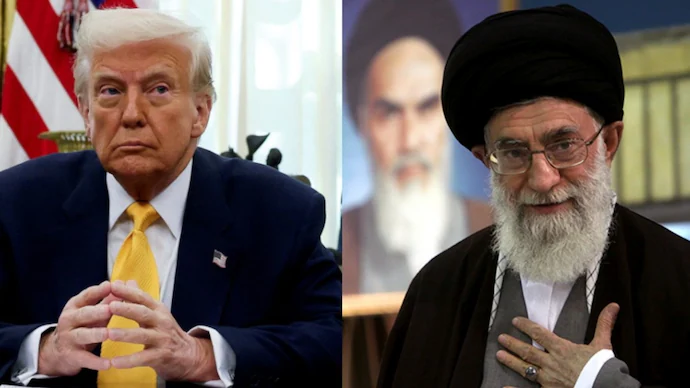
Fresh speculation about possible US military action against Iran is building after President Donald Trump abruptly canceled his Memorial Day weekend plans and returned to Washington, while reports emerged that US defense and intelligence officials had begun revising military recall rosters across overseas installations.
The developments come at a tense moment in the fragile post-ceasefire standoff between the US, Israel, and Iran, where fears of renewed escalation continue to shadow diplomacy.
Although the White House has not announced any military operation, a series of unusual signals from Washington has triggered intense scrutiny among analysts, defense observers, and regional allies.
Why are people speculating about a possible US strike on Iran?
The speculation stems from several overlapping developments that unfolded within hours of each other.
President Donald Trump announced he would cut short his weekend plans and remain at the White House due to what he described as “circumstances pertaining to Government.”
In a social media post, Trump wrote that he would miss the wedding of his eldest son, Donald Trump Jr., because he believed it was important to remain in Washington “during this critical period.”
At the same time:
- Reports suggested US military personnel were updating overseas recall rosters
- Intelligence officials reportedly canceled Memorial Day travel plans
- New reporting indicated the Pentagon was reviewing military contingencies tied to Iran
Taken individually, these developments may not signal imminent military action. Together, however, they created the kind of atmosphere that often fuels geopolitical speculation in Washington.
What reports are driving the latest concerns?
According to Axios, the Trump administration delivered what was described as a “final offer” to Iran on May 20 related to its nuclear program and uranium enrichment activities.
The report said US officials are seriously considering military action if Tehran rejects the proposal.
Separately, CBS reported that defense and intelligence officials had begun updating recall rosters for US personnel overseas. The move reportedly coincided with troop rotations and broader efforts to reduce America’s military footprint in parts of the Middle East amid fears of possible Iranian retaliation.
That distinction matters.
The reported troop adjustments could indicate:
- Preparation for escalation
- A defensive repositioning
- Routine contingency planning
- Efforts to minimize exposure before negotiations
Military planners often prepare for worst-case scenarios even when diplomacy remains active.
What has the White House said about Iran?
The clearest official signal came from White House spokesperson Anna Kelly, who reiterated Trump’s hard-line position on Iran’s nuclear ambitions.
“The President has made his redlines abundantly clear: Iran can never possess a nuclear weapon, and they cannot keep their enriched uranium,” Kelly told CBS.
That language reinforces the administration’s increasingly aggressive stance toward Tehran’s nuclear program.
It also suggests Washington may be attempting to increase pressure ahead of potential negotiations rather than signaling immediate military action.
Still, the phrase “redlines” carries historical weight in US foreign policy. It implies thresholds that, if crossed, could trigger military consequences.
The current conflict traces back to February’s strikes
The present crisis began after a joint US-Israeli airstrike campaign against Iran on Feb. 28, according to the report.
The strikes reportedly killed several top Iranian leaders, including Supreme Leader Ayatollah Ali Khamenei.
That operation dramatically altered the regional balance and pushed tensions to one of their most dangerous levels in decades.
A ceasefire brokered on April 8 has remained in place since then, but only narrowly.
Both sides have accused each other of:
- Limited cross-border strikes
- Proxy attacks
- Airspace violations
- Cyber operations
The ceasefire has often resembled a cracked windshield: technically intact, but visibly under strain.
Is the US actually preparing for war?
There is currently no public evidence confirming an imminent US strike on Iran.
What is visible instead is a familiar pattern of strategic signaling:
- Political pressure
- Military preparedness
- Diplomatic coercion
- Public messaging
Governments frequently use military readiness as leverage during negotiations, especially in high-stakes nuclear disputes.
Several factors suggest caution before concluding military action is imminent:
- No formal Pentagon announcement has been made
- Congress has not been publicly briefed on new operations
- No major force mobilization has been confirmed
- US allies have not issued evacuation advisories at scale
At the same time, analysts note that modern military operations can move rapidly and with limited public visibility, particularly when airpower and cyber capabilities are involved.
Why Iran’s uranium program remains the central issue
At the core of the standoff is Iran’s uranium enrichment program.
The US and its allies argue that high-level enrichment could eventually enable Tehran to build nuclear weapons capability.
Iran has consistently maintained that its nuclear activities are for civilian and energy purposes.
The disagreement has fueled years of:
- Sanctions
- Covert operations
- Diplomatic negotiations
- Cyberwarfare
- Assassinations
- Military brinkmanship
Trump’s latest comments suggest the administration views continued enrichment as unacceptable regardless of diplomatic framing.
Why Memorial Day timing matters politically
The timing of the reports also amplified attention.
Memorial Day weekend is one of the most symbolic military holidays in the United States. Sudden cancellations by senior officials during such periods often attract heightened scrutiny because they can signal emerging national security concerns.
Historically, unexpected presidential schedule changes during holiday periods have sometimes preceded:
- Major military announcements
- International crises
- National security operations
That does not automatically mean military action is coming, but it explains why Trump’s decision generated immediate speculation online and across cable news.
What happens next?
Several scenarios are now possible.
Scenario 1: Diplomatic pressure succeeds
Iran could engage with the reported US proposal, reducing immediate escalation risks while extending negotiations.
Scenario 2: Limited military escalation
The US or Israel could conduct targeted strikes tied specifically to nuclear facilities, missile systems, or military infrastructure.
Scenario 3: Proxy conflict intensifies
Rather than direct war, both sides could expand indirect conflict through allied militias, cyberattacks, or regional operations.
Scenario 4: The current standoff continues
This may ultimately become another prolonged phase of high-pressure deterrence without full-scale war.
For now, the situation remains highly fluid.
Why global markets and allies are watching closely
Any renewed conflict involving Iran could have immediate global consequences.
Key concerns include:
- Oil price spikes
- Shipping disruptions in the Strait of Hormuz
- Cyberattacks on infrastructure
- Regional instability across the Middle East
- Increased tensions between the US, China, and Russia
Energy markets are especially sensitive because Iran sits near some of the world’s most strategically important shipping routes.
Even rumors of escalation can trigger volatility.
The bigger picture: Washington’s pressure campaign is intensifying
Whether or not military action occurs, the broader trend is clear.
The Trump administration appears to be escalating pressure on Iran through:
- Military signaling
- Nuclear ultimatums
- Strategic ambiguity
- Regional coordination with Israel
At the same time, Iran continues attempting to project resilience despite sanctions, internal economic strain, and ongoing regional tensions.
The result is a geopolitical environment where even small movements, canceled trips, troop rotations, ambiguous statements, can rapidly trigger speculation about war.
And in modern information warfare, perception itself can become part of the strategy.