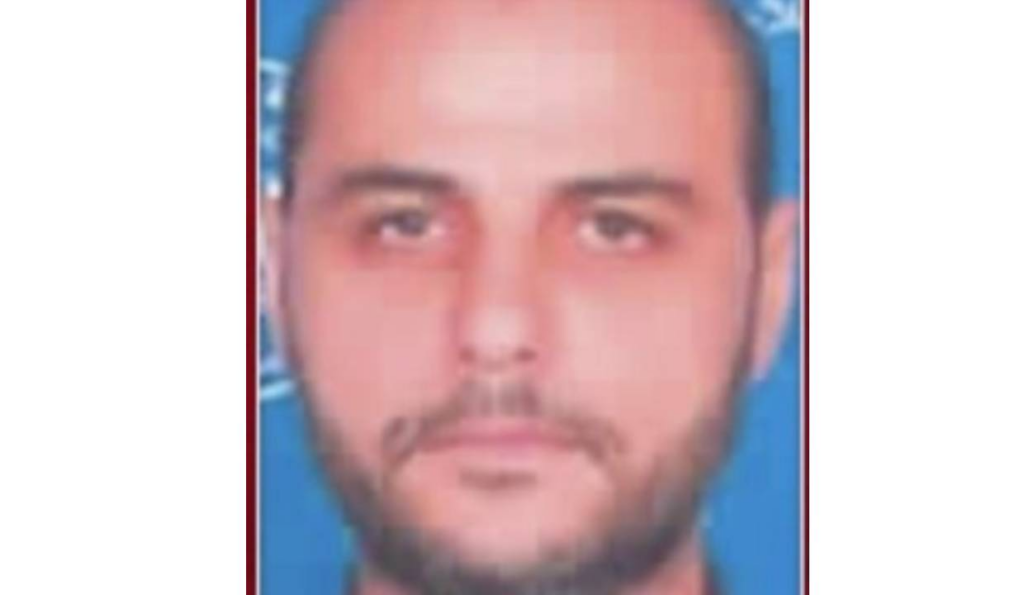
The Israel Defense Forces (IDF) says it has killed Iyad Ahmed Abd al Rahman Shambari, a senior Hamas military intelligence figure allegedly involved in planning the October 7, 2023, attacks on Israel.
The announcement, made on Wednesday, adds another high-profile name to the list of Hamas commanders Israel claims to have targeted during the ongoing war in Gaza. According to the IDF, Shambari led the operations department within Hamas’s military intelligence division and posed what it described as an “immediate threat.”
The claim comes at a sensitive moment in the conflict, with a ceasefire officially in place but violence continuing across parts of Gaza.
Who was Iyad Ahmed Abd al Rahman Shambari?
According to the IDF, Shambari was a senior operative within Hamas’s military intelligence structure and served as head of its operations department.
Israeli officials alleged that he played a significant role in coordinating and planning the October 7 attack on southern Israel, the unprecedented assault that killed around 1,200 people and triggered the current Israel-Hamas war.
Israeli military intelligence has increasingly focused on dismantling Hamas’s command-and-control infrastructure since the war began. That strategy has included targeted strikes against senior field commanders, tunnel coordinators, logistics officers, and intelligence operatives.
The IDF said Shambari’s activities represented an ongoing operational threat, though it did not publicly release evidence detailing his alleged recent actions.
What happened in the Gaza strike?
The IDF did not initially provide detailed operational information about the strike itself.
However, Gaza’s civil defense agency told AFP that a drone fired two missiles at a vehicle in the Al Rimal neighborhood of Gaza City, killing four people and injuring six others.
A Gaza security official identified two of the dead as the following:
- Iyad al Shanbari
- His son, Salah
The identities of the remaining victims were not immediately disclosed.
Notably, there has been no independent verification confirming whether the individual identified locally as Iyad al Shanbari is the same person named by the IDF as Iyad Ahmed Abd al Rahman Shambari.
That gap matters because wartime casualty reporting in Gaza often involves competing claims from Israeli authorities, Hamas-affiliated institutions, local officials, and international observers.
The IDF also did not directly confirm whether the strike described by Gaza officials was the same operation in which it says Shambari was killed.
Why this killing matters to Israel
For Israel, targeting Hamas intelligence officials serves both military and symbolic purposes.
Israeli defense officials have repeatedly argued that Hamas’s intelligence and operational planning units were central to coordinating the October 7 assault. Eliminating senior operatives is intended to:
- Disrupt future attack planning
- Weaken internal communications
- Damage operational coordination
- Reduce Hamas’s ability to rebuild command structures
Since late 2023, Israel has pursued a campaign focused on senior Hamas leadership both inside Gaza and abroad.
The killing claim also arrives amid ongoing pressure on Prime Minister Benjamin Netanyahu’s government to show continued military progress after months of conflict and international scrutiny over Gaza’s humanitarian crisis.
Ceasefire remains fragile despite reduced fighting
Although a ceasefire announced earlier this month significantly reduced large-scale combat operations, Gaza remains volatile.
According to Gaza’s health ministry, at least 818 Palestinians have been killed since the truce began. The ministry operates under Hamas authority, though the United Nations has previously stated that casualty figures released by Gaza health officials have historically been considered broadly credible, while acknowledging the difficulty of verification during active conflict.
The continued reports of drone strikes, targeted killings, and localized clashes suggest that the ceasefire functions more like a simmering pause than a complete halt to hostilities.
That fragile environment increases the risk that isolated incidents could reignite broader military escalation.
Why is independent verification difficult in Gaza
One of the persistent challenges in covering the Israel-Hamas war is the lack of immediate independent verification.
Journalists, aid groups, and international monitors face the following:
- Restricted access to combat zones
- Communication blackouts
- Conflicting narratives from both sides
- Delayed forensic confirmation
- Political pressure surrounding casualty reporting
As a result, many wartime claims initially emerge through military statements, local officials, or affiliated institutions before being independently verified later.
In this case, neither international observers nor independent investigators had publicly confirmed the identity of those killed at the time of reporting.
That distinction is especially important in high-profile targeted killing announcements, where names, positions, and operational roles can carry strategic and political significance.
The broader context of Israel’s campaign against the Hamas leadership
Since the war began, Israel has prioritized eliminating senior Hamas figures linked to:
- The October 7 attacks
- Rocket operations
- Intelligence gathering
- Weapons smuggling
- Tunnel networks
The strategy mirrors past Israeli operations targeting militant leadership in both Gaza and Lebanon, though analysts remain divided on its long-term effectiveness.
Supporters argue that leadership strikes weaken operational capability and deter future attacks. Critics counter that militant organizations often replace commanders quickly while civilian casualties fuel further instability.
The broader war has already reshaped regional politics, drawing in tensions involving Iran-backed groups, ceasefire negotiations, hostage diplomacy, and growing international debate over humanitarian conditions in Gaza.
TL;DR
The IDF says it killed Iyad Ahmed Abd al Rahman Shambari, described as Hamas’s military intelligence operations chief, in a strike in Gaza. Israeli officials allege he helped plan the October 7 attacks on Israel. Gaza authorities reported a drone strike in Gaza City that killed four people, including a Hamas commander identified locally as Iyad al Shanbari and his son. Independent verification of the identities involved has not yet emerged.